
Last updated November 16, 2026
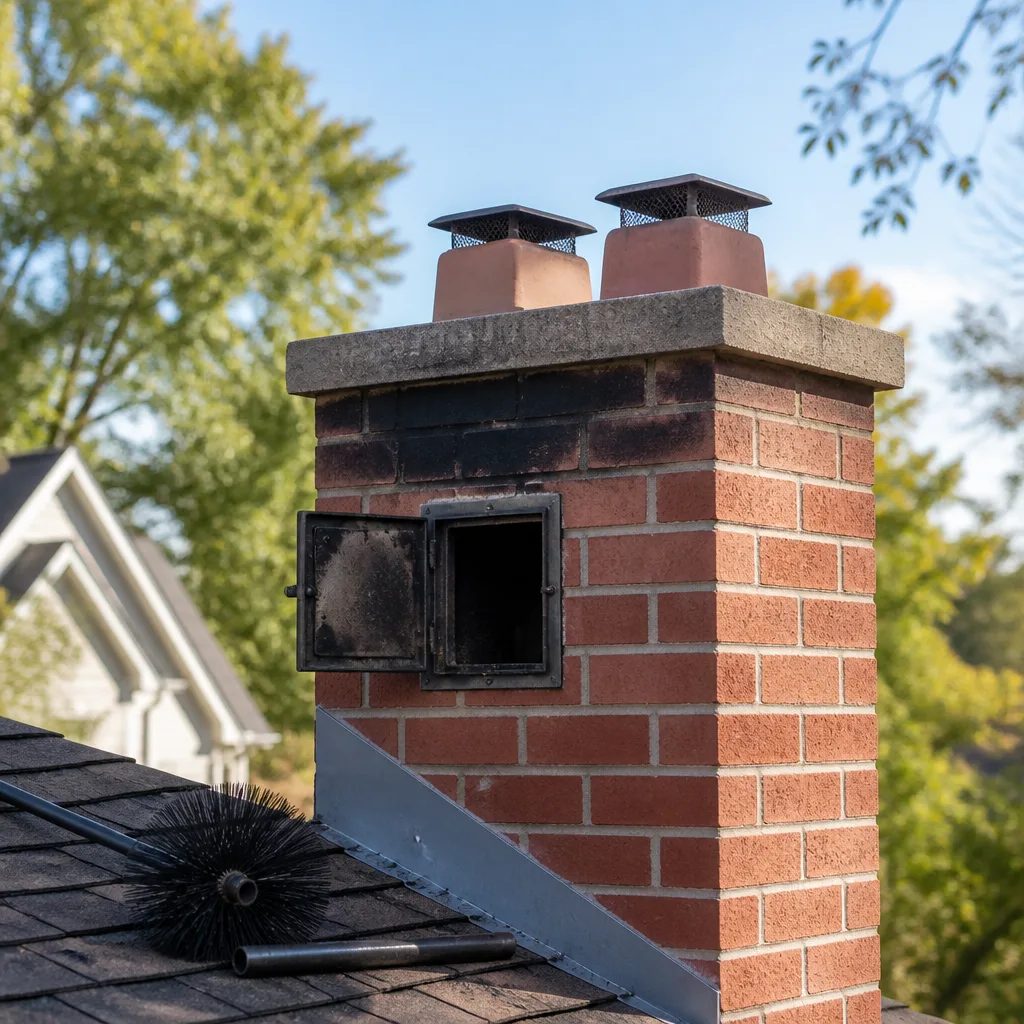 Sweep & inspection
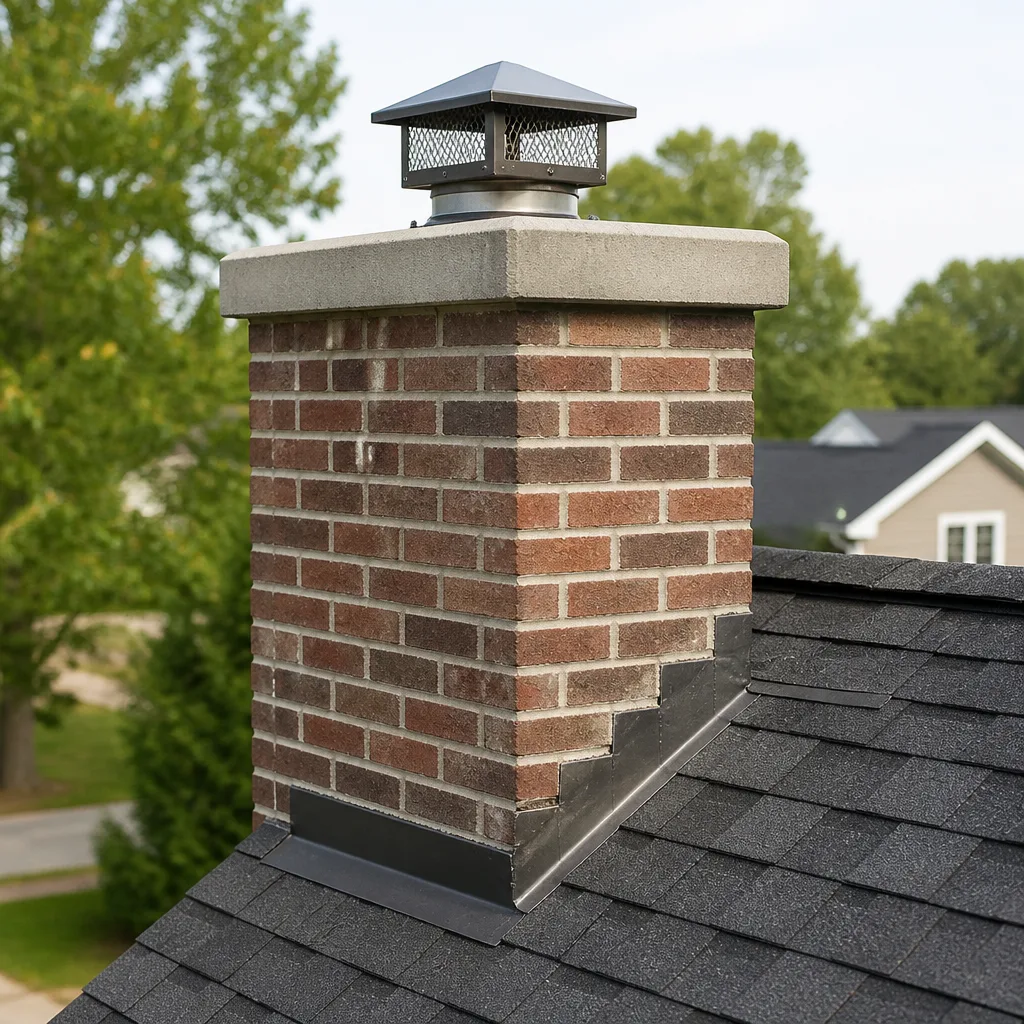 Caps & crowns
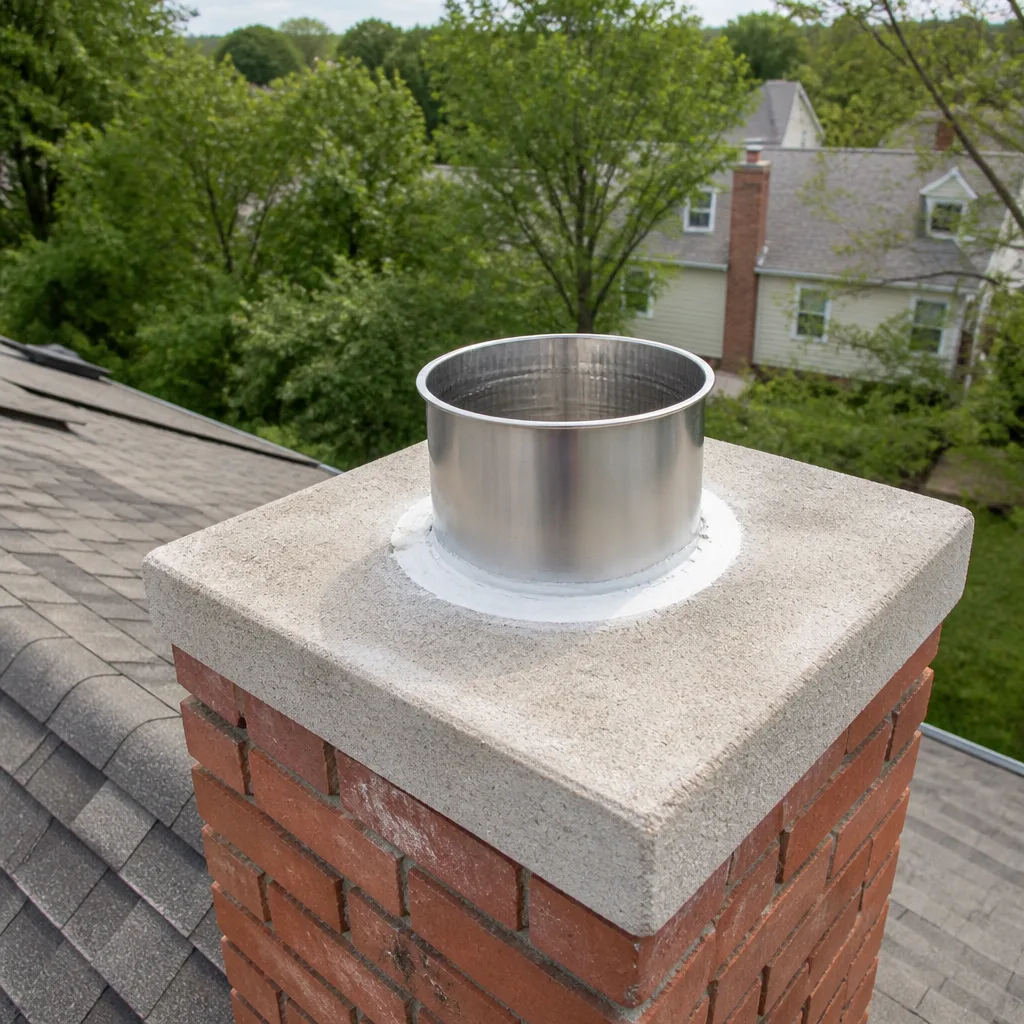 Flue relining
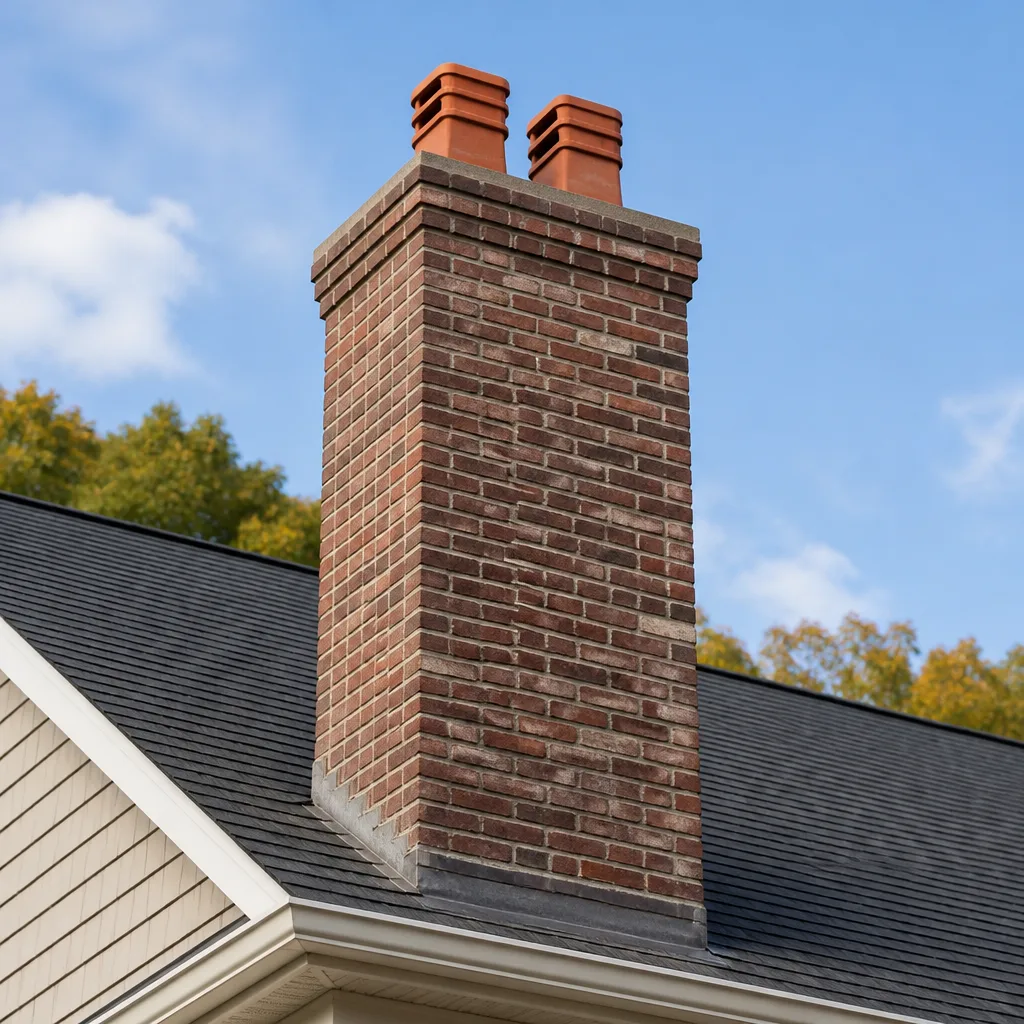 Masonry repair
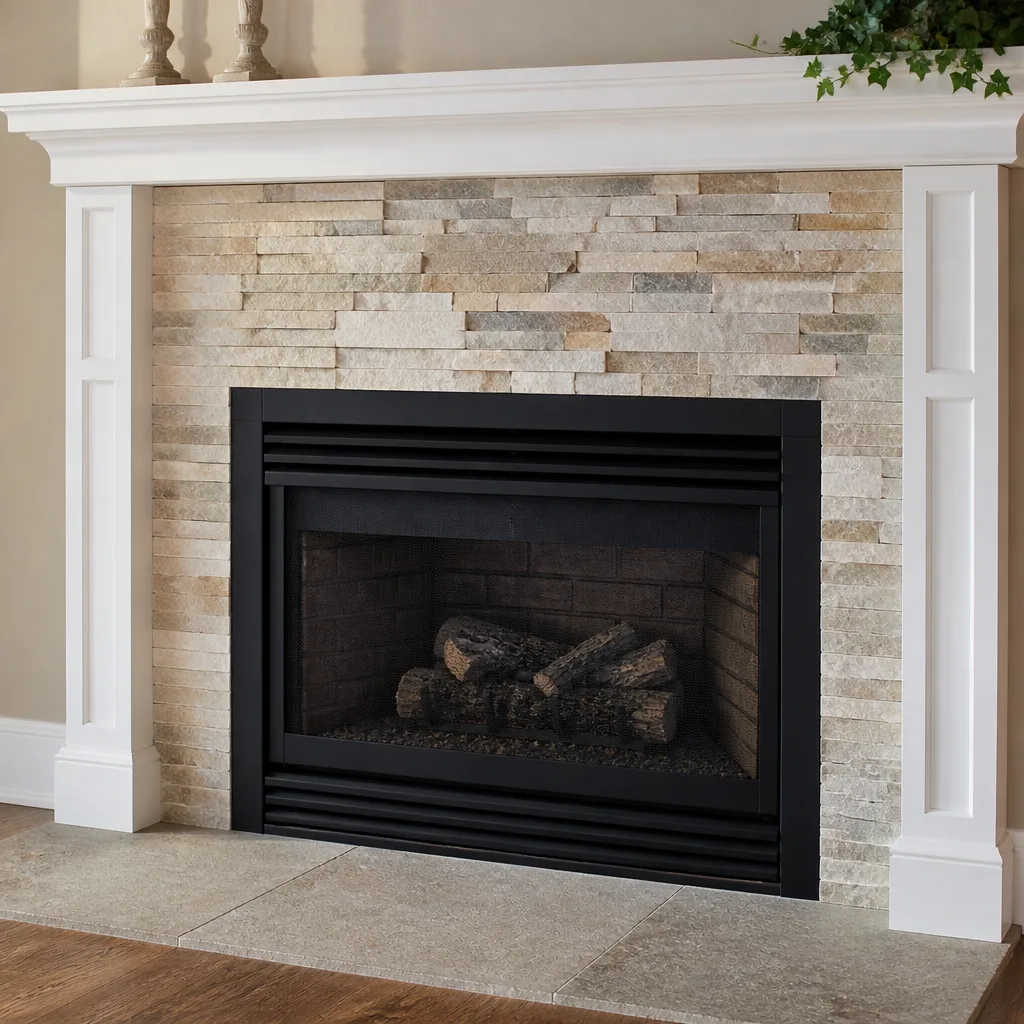 Gas fireplace service
Level 1 sweep and inspection to the NFPA 211 annual standard - flue, crown, cap, and flashing checked and photographed
Chimney sweep logs do not sweep chimneys. They loosen some creosote - which then falls where a brush and vacuum still have to collect it.
Seasonal Chimney Cleaning Care for Davie: Year-Round Homeowner’s Guide
The advice to “schedule your sweep before fall” was written for Ohio, not Broward County. In Davie, the calendar that matters is tied to when hurricane season ends, not when the temperature drops. Our burning window is short, our off-season is long and humid, and the months when a chimney sits idle are the months when moisture does its quiet work. This guide lays out a month-by-month schedule built around actual South Florida conditions, explains what summer humidity does to an unused flue, and shows you how to close, protect, and inspect a chimney through a Davie year.
Quick Answer
In Davie, chimney care follows a storm-and-humidity calendar rather than a cold-weather one. The key checkpoints are a post-hurricane-season inspection in November, cleaning and pre-season prep in December before the first fire, and an end-of-season check in March. Summer months call for moisture control on an idle chimney: a sealed cap, intact flashing, and a dry flue.
Styles & brands we work with
- Sweep & inspection
- Caps & crowns
- Flue relining
- Masonry repair
- Gas fireplace service
Table of Contents
- Why Davie’s Chimney Calendar Doesn’t Match Northern Advice
- The Davie Month-by-Month Chimney Calendar
- What Summer Humidity Does to an Unused Chimney
- How to Close and Protect a Chimney for the Off-Season
- Storm and Hurricane Prep Specific to Chimneys
- Why a Short Burning Season Makes the Pre-Season Inspection More Important
- What You Can Check Yourself and What You Can’t
- Common Mistakes to Avoid
Why Davie’s Chimney Calendar Doesn’t Match Northern Advice
Most chimney-care content online is written for places with four real seasons. It assumes a long heating season, a hard freeze, and a single annual sweep timed to late summer. Davie doesn’t have that pattern. We have a hot, humid summer that lasts most of the year, a short stretch of genuinely cool nights in winter, and a hurricane season that runs from June through November. The chimney sits unused for far longer than it’s used.
That changes what “seasonal” means. In a cold climate, the risk window is the months you’re burning. Here, the risk window is the months you’re not. An idle flue in Davie is exposed to months of high humidity, driving rain, and storm winds. That’s when moisture finds its way past a tired cap or a failed flashing seal. That’s when a masonry crown starts to crack. That’s when the damper plate corrodes shut.
The other difference is the burning window itself. Davie homeowners tend to light the fireplace for a handful of cool evenings in December, January, and February. Some years it’s a dozen fires. Some years it’s three. A short season sounds like less wear, and in one sense it is. But it also means there’s no long stretch of use during which small problems announce themselves. You don’t get weeks of smoky backdrafts or a slow-building draft problem that gives you time to notice. You get a few nights, and if the flue wasn’t ready, you find out the hard way.
So the Davie chimney calendar is built around two anchors: the end of storm season in November, and the start of the burning window in December. Everything else in the year is about keeping the system dry and intact between fires.
The Davie Month-by-Month Chimney Calendar
A month-by-month schedule is the most useful way to think about chimney care in Davie because the tasks change with the weather, not with a single “sweep day.” Here’s how the year breaks down.
- January and February (peak burning): Use the fireplace as intended. Watch for smoke rolling back into the room, a draft that used to be strong and isn’t, or a damper that won’t open smoothly. Any of these means stop burning and get it looked at.
- March (end-of-season check): After the last fire, look for soot and creosote buildup and check the firebox and damper. This is the right time to schedule a cleaning so deposits don’t sit through the humid months.
- April and May (pre-storm prep): Before hurricane season starts, confirm the cap is secure and the flashing and crown are intact. Loose caps and cracked crowns become storm-projectiles and leak points.
- June through October (storm season and idle months): The chimney is unused. Moisture control is the job now. Watch for water stains, rust, or a musty smell, and get an inspection after any major weather event.
- November (post-storm inspection): Once hurricane season winds down, inspect the whole system: cap, crown, flashing, flue, damper. Storm damage often hides at the roofline.
- December (clean and prep): Sweep the flue, confirm the liner and damper are sound, and make sure the firebox is ready before the first fire. This is the single most important appointment of the year.
That’s the whole cycle. Notice that only two of these are “bring in a professional” moments in a normal year – the December clean-and-prep and the November storm check. The rest is watching and knowing when something’s off. If you want the full-service version, a Chimney Sweep Davie appointment covers inspection, cleaning, and any repair the inspection turns up, so you’re not chasing one task at a time.
What Summer Humidity Does to an Unused Chimney
High summer humidity is the biggest chimney risk in Davie that most homeowners never think about. When the fireplace is idle for months and the air is heavy with moisture, the chimney stops being a vent and starts being a damp column of masonry and metal. Here’s what that does.
Moisture intrusion
Water gets into a chimney in a few predictable ways: a missing or loose cap, a failed flashing seal where the chimney meets the roof, and cracks in the crown or the masonry itself. Once moisture is inside, it doesn’t just dry out. It works on the mortar, the brick, and the metal components. Over years, that shows up as spalling brick, crumbling mortar joints, and a rusted damper assembly.
Spore growth
A damp, dark, closed-off flue is a good place for mold and mildew to take hold on organic material and soot residue. That musty smell drifting into a room on a still day often traces back to the flue, not the room. Cleaning removes the soot that feeds it; fixing moisture stops it coming back.
Damper corrosion
The damper is a metal plate in a humid environment with nothing moving air past it for months. It corrodes, sticks, or seizes. A damper that won’t close properly leaks heated or cooled air year-round; one that won’t open properly becomes a safety problem the first cold night you want a fire. A professional-grade damper from a line like Famco or Copperfield holds up better to this climate than a cheap replacement, and it’s one of the most common repairs we handle.
The fix isn’t complicated. Keep the cap intact so rain stays out, keep the flashing and crown sealed, and get the flue cleaned before the wet months so there’s less residue to hold moisture. A dry chimney in July is a working chimney in December.
How to Close and Protect a Chimney for the Off-Season
Closing a chimney for the Davie off-season isn’t about sealing it up tight. It’s about keeping water out while letting the system breathe so trapped moisture can escape. Here’s the sequence that works in this climate.
- Clean before you close. Soot and creosote hold moisture and feed odor. Get the flue cleaned at the end of the burning season so nothing sits all summer.
- Check the cap. The cap keeps rain, animals, and debris out. Make sure it’s securely attached and the screen or mesh is intact. A loose cap is the single most common cause of summer water intrusion.
- Inspect the crown and flashing. The crown is the concrete or masonry cap at the top that sheds water away from the flue. Cracks in it let water straight down into the masonry. The flashing is the metal seal where the chimney passes through the roof. Both need to be intact before storm season.
- Confirm the damper closes and the firebox is dry. A damper that seals properly keeps humid outside air from rising up into the house through the flue. Check for any sign of dampness in the firebox.
- Watch during the season. Once closed for summer, keep an eye out after heavy rain for water stains on the ceiling near the chimney or a musty smell. Both point to a leak that needs attention before it spreads.
What you don’t want to do is block the flue completely with a tight seal at the top and bottom. That traps whatever moisture is already inside. The goal is a capped, watertight top and a closed damper, not an airtight plug. If you’re not sure the cap and flashing are sound, that’s what an inspection is for – it’s a physical check of the parts you can’t see well from the ground.
Storm and Hurricane Prep Specific to Chimneys
Davie sits squarely in hurricane country, and a chimney is one of the roof features most exposed to wind and driving rain. Storm prep for a chimney comes down to three components, and the checks are different before and after a major weather event.
Cap integrity
The cap is the most vulnerable part. Wind gets under a loose cap and lifts it, and a cap that comes free can damage the roof or end up in the yard. Before storm season, confirm the cap is firmly attached and the fasteners are sound. After a storm, check that it’s still there and still seated.
Flashing seals
Flashing is the metal that seals the joint between the chimney and the roof. Wind-driven rain finds any gap, and a failed flashing seal is one of the most common sources of roof leaks around a chimney. Check the seal before the season and again after any major wind or rain event.
Crown and masonry
Cracks in the crown or loose masonry can let water in during a storm and can worsen under wind load. A sound, well-sealed crown sheds water the way it should.
After a major weather event, do a ground-level visual check first: is the cap still on, is there obvious damage to the crown or masonry, are there water stains inside near the chimney? If anything looks off, get an inspection before you use the fireplace again. Storm damage often hides at the roofline, and it’s the kind of thing a trained eye catches in minutes that takes a homeowner a season to notice.
Why a Short Burning Season Makes the Pre-Season Inspection More Important
A short burning season sounds like it should mean less chimney care, not more. The opposite is true, and here’s why. In a cold climate, a homeowner lights dozens of fires over a long winter. Small problems show up early – a draft that weakens, smoke that starts rolling back, a damper that gets stiff. There’s time to notice and time to act before the season is over.
In Davie, the burning season is short and the cool nights cluster. You might light three fires or a dozen, and they’re packed into a few weeks. There’s no long runway during which the chimney tells you something’s wrong. The first fire of the year is effectively your diagnostic. If the flue is blocked, the liner is cracked, or the damper is seized, you find out when you’re trying to enjoy the fire – not weeks earlier when there was plenty of time to fix it.
That’s why the pre-season inspection in Davie carries more weight than the “get it swept before winter” advice you’ll read for northern climates. It’s the only point in the year when you get ahead of a problem before you’re standing in front of a cold fireplace with a house full of guests. A thorough inspection checks the flue for creosote and blockage, the liner for cracks or gaps, the damper for smooth operation, and the firebox for damage. Any of those caught in December is a straightforward repair. The same problem found on the first cold night is a ruined evening at best.
Our technicians have up to 12 years of experience reading exactly these signs, and the inspection is where that experience pays off. It’s the difference between a chimney that’s ready and one that only looks ready.
What You Can Check Yourself and What You Can’t
There’s a useful line between what a Davie homeowner can safely check and what belongs to a trained professional. Knowing where that line sits keeps you safe and saves you an unnecessary call.
What you can reasonably check yourself, from the ground and inside the house:
- Whether the cap is still attached and the mesh is intact.
- Whether there’s visible damage to the crown or masonry from the ground or a window.
- Whether the damper opens and closes smoothly.
- Whether there are water stains, rust, or a musty smell near the chimney inside.
- Whether smoke rolls back into the room when you light a fire.
What you should never do yourself: climb onto the roof to inspect or clean, reach up into the flue, or attempt to clean creosote from inside the firebox beyond a light brushing. The roof is a fall hazard, and the flue hides hazards you can’t see from below. That’s a job for a professional with the right equipment and a camera.
The repair side is even further out of reach. Cracked flue tiles and deteriorated liners call for specialized resurfacing and relining systems, not a brush and a ladder. That’s where a specialist matters. We work with chimney repair methods like HeatShield resurfacing for cracked flue liners and DuraFlex flexible liner systems for full or partial relining – the kind of structural repair most sweep-only services can’t do. Where a generalist would tell you the chimney needs rebuilding, a specialist often has a targeted repair that restores the flue without that.
Common Mistakes to Avoid
- Treating the pre-season sweep as the only appointment of the year. In Davie, the post-storm inspection in November matters just as much. Skipping it means storm damage sits undetected until the next burning season.
- Leaving the chimney uncapped through summer. Months of rain and humidity with an open flue is the fastest route to a rusted damper and a damp, musty chimney. A secure cap is the cheapest protection you can buy.
- Assuming a short burning season means less care. Fewer fires means less time to notice a developing problem, not less risk. The pre-season inspection is what catches it.
- Hiring a general handyman for a chimney problem. Sweeping, inspection, and repair are chimney-specific work. A generalist with a brush can’t diagnose a cracked liner or resurface a flue, and you’ll end up needing a specialist anyway.
- Ignoring a musty smell or water stain. In this humidity, those signs point to moisture intrusion that gets worse, not better, if left alone. They’re a reason to inspect, not to wait.
- Using the fireplace after a major storm without a check. A cap can come loose or flashing can fail in high wind. Look before you light.
- Assuming a gas insert needs no chimney care. A gas insert still vents through the chimney, and the flue and venting still need inspection. The maintenance is different, not absent.
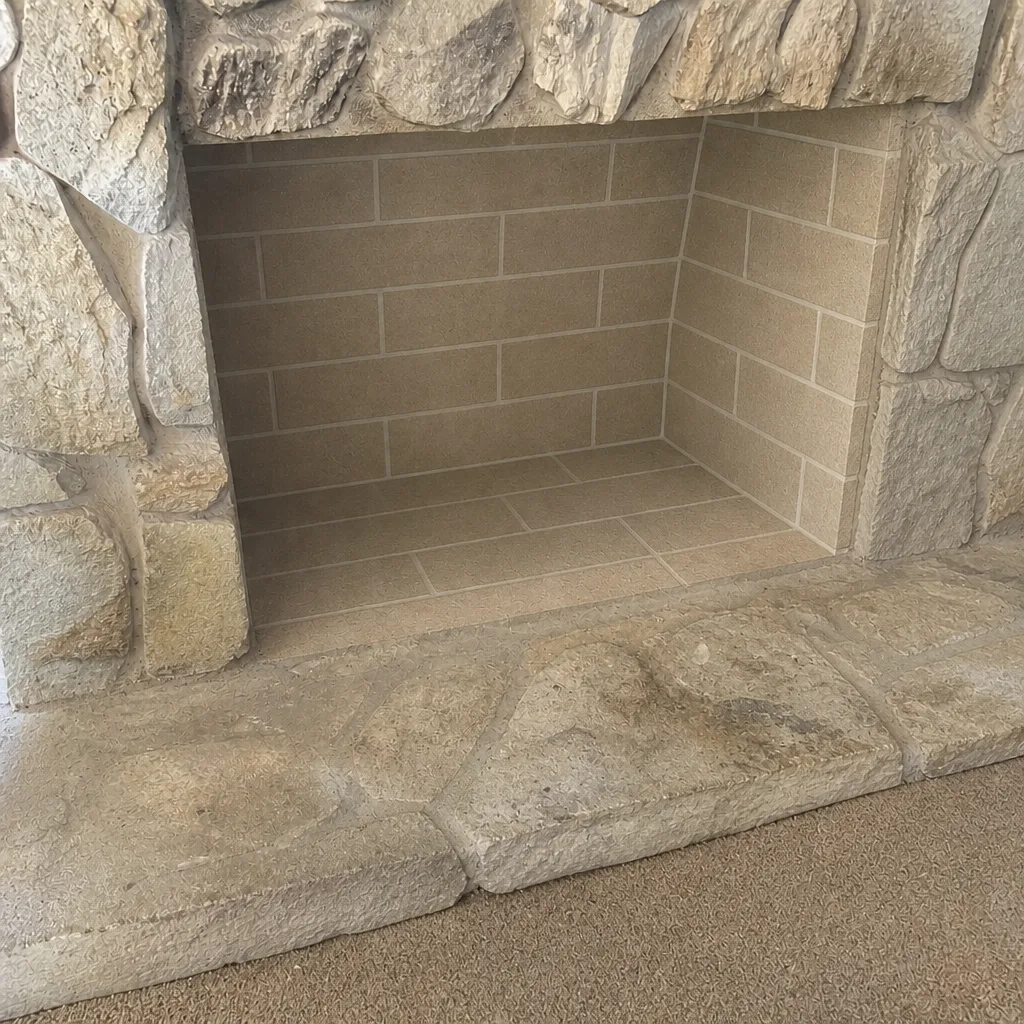
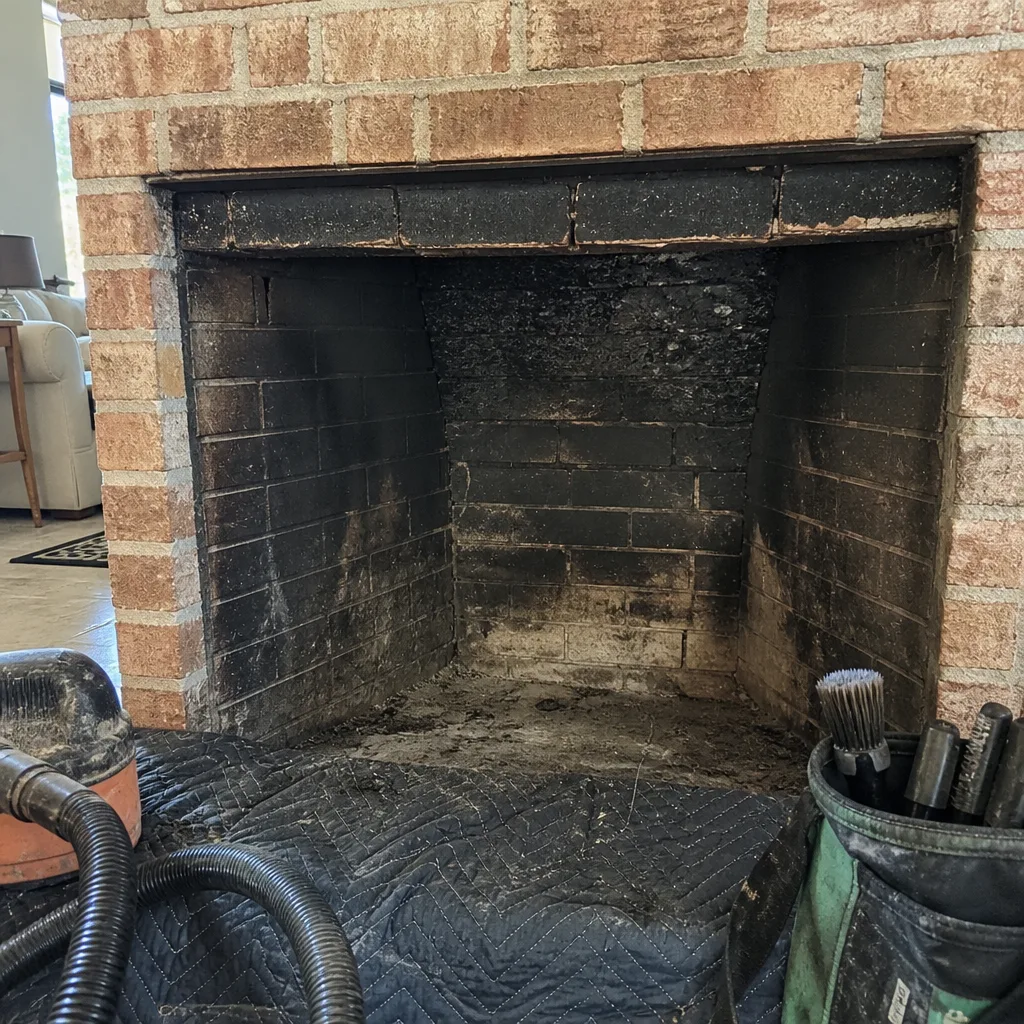
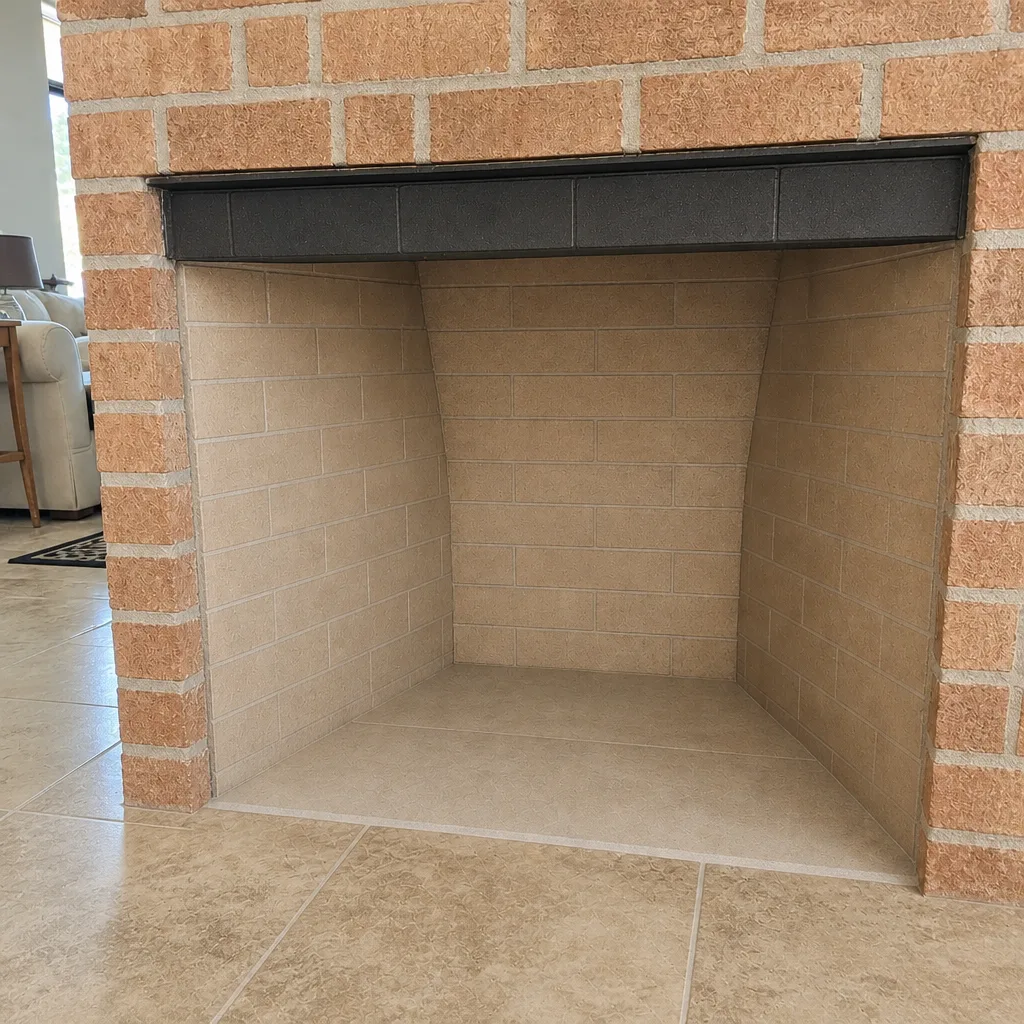
See the difference
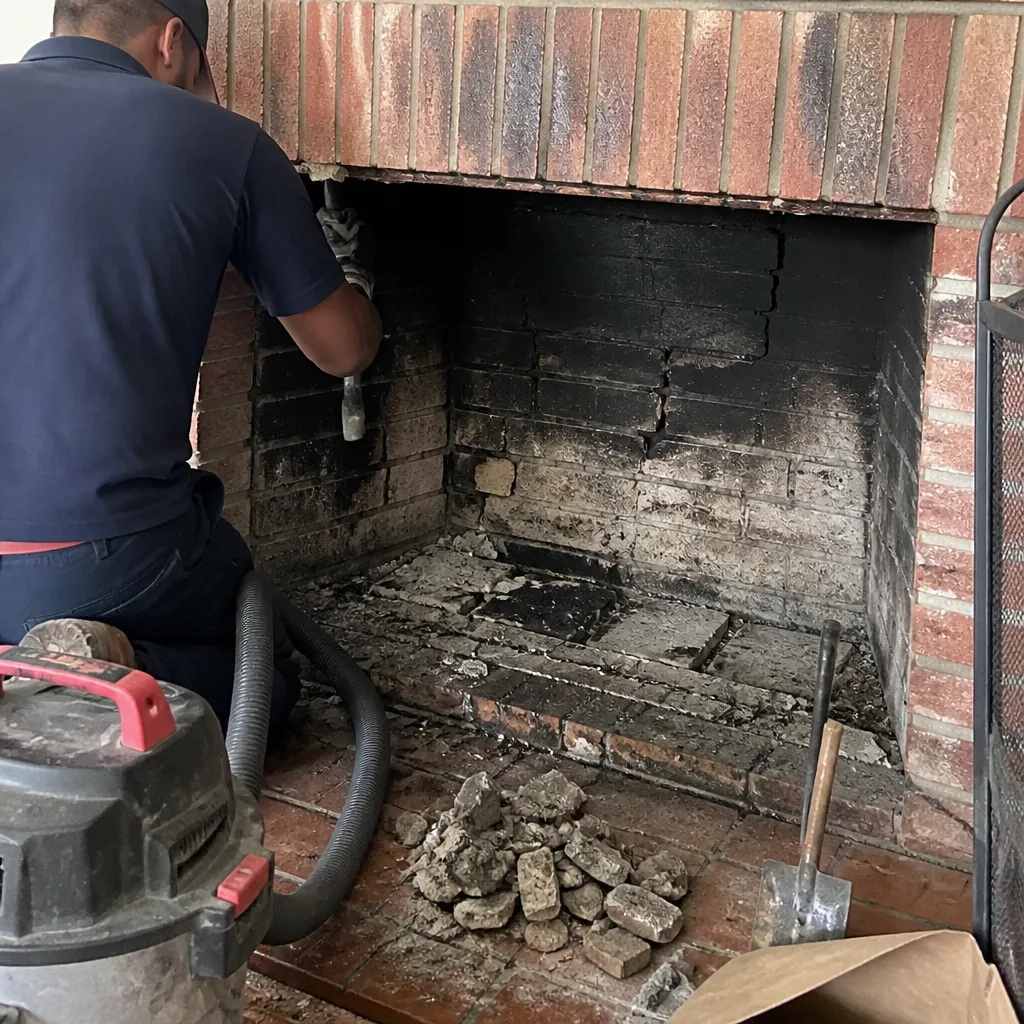 Before
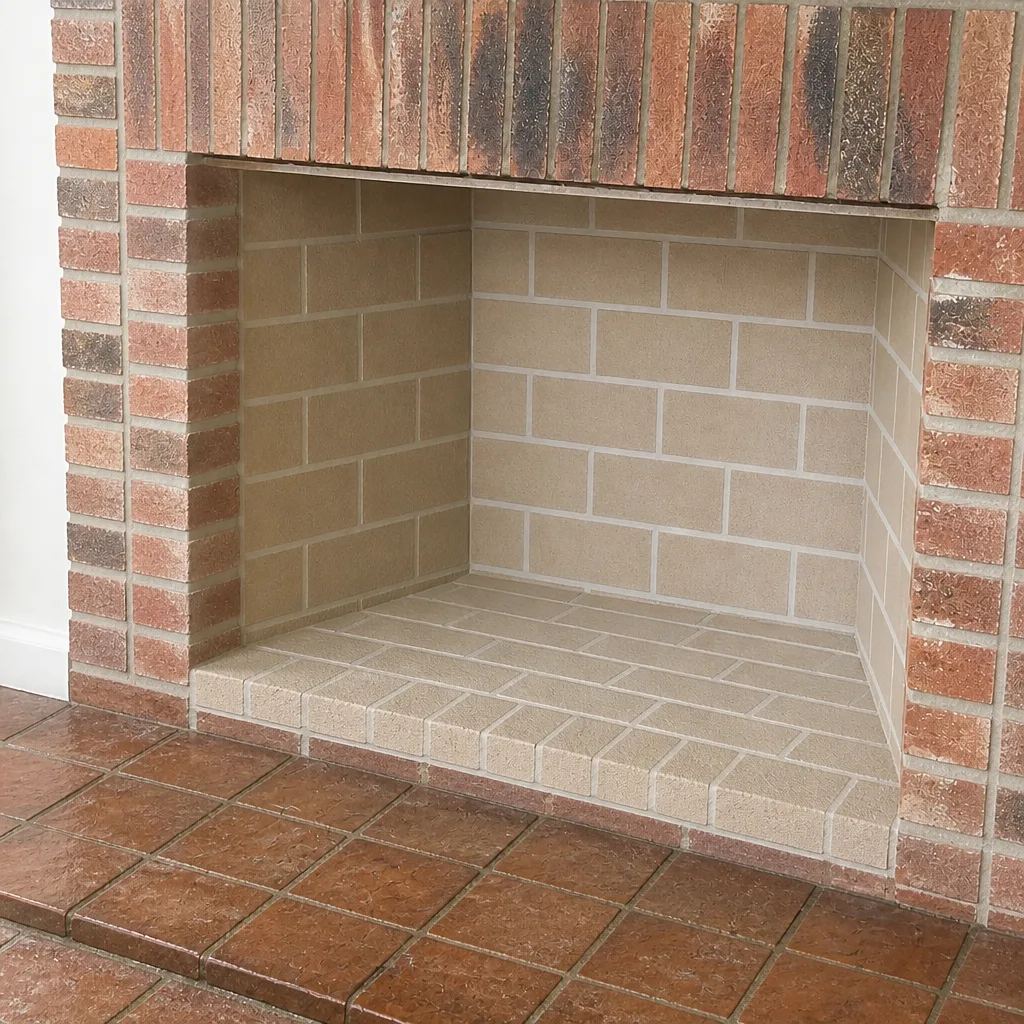 After
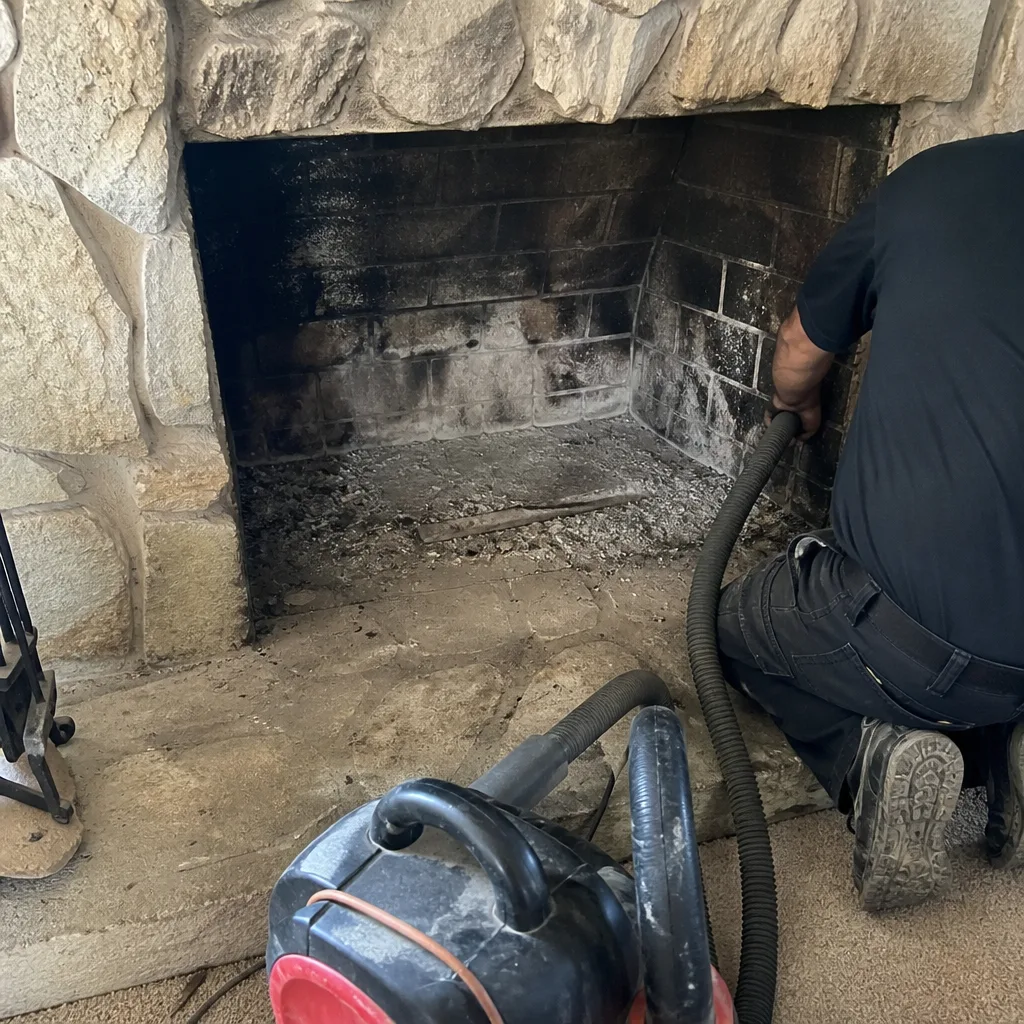 Before
 After
 Before
 After
When to Call a Professional
Call a professional when you see or smell something you can’t explain from the ground: water stains near the chimney, a musty odor that won’t clear, a damper that sticks or won’t seal, smoke that rolls back into the room, or visible damage to the cap, crown, or masonry. Call after any major storm that produces wind or driving rain, even if nothing looks obviously wrong. Call at the end of the burning season to clean out deposits before the humid months, and call in late fall to confirm the system is ready before the first fire. If you’ve never had the chimney inspected, that’s the first call to make.
The Davie climate is hard on a chimney in ways that don’t announce themselves, and a professional inspection is how you find out before a problem becomes a repair. Chimney Sweep Davie offers free estimates in Davie – call (877) 798-7859. We answer 24/7. Fast dispatch from 7am to 7pm, Sunday through Friday.
Frequently Asked Questions
Once a year is the baseline for a wood-burning fireplace, timed to the end of the burning season or just before the next one. Because the Davie burning season is short, the more important annual appointment is the pre-season inspection in late fall, which checks the whole system before you use it.
Yes, and the short season is the reason. With only a handful of cool nights, there’s no long stretch of use during which a problem would show up gradually. The inspection is what catches a cracked liner, a seized damper, or storm damage before the first fire, when there’s still time to fix it.
It lets moisture move into the masonry, the mortar, and the metal components. Over months, that shows up as spalling brick, crumbling mortar, a corroded damper, and a musty smell from the flue. Keeping the cap, flashing, and crown sealed is what keeps the system dry through the off-season.
From the ground, check whether the cap is still attached, whether there’s visible damage to the crown or masonry, and whether there are water stains or a musty smell inside near the chimney. If anything looks off, get a professional inspection before using the fireplace again – storm damage often hides at the roofline.
A handyman can run a brush, but a chimney inspection and any needed repair call for chimney-specific training and tools. Diagnosing a cracked flue liner or resurfacing a deteriorated flue is specialist work. We handle inspection, sweep, and repair as one job, with the same team from diagnosis through restoration.
It changes the maintenance, not the need for it. A gas insert still vents through the chimney, and the flue and venting still need inspection. The checks focus on the venting and the appliance rather than on creosote, but the annual inspection still applies.
The Bottom Line
Davie’s chimney care calendar is built around storm season and humidity, not the northern freeze. The anchors are a post-storm inspection in November, a clean-and-prep in December before the first fire, and an end-of-season check in March. Summer is for keeping the system dry: a secure cap, intact flashing, a sound crown, and a clean flue. The short burning window makes the pre-season inspection more important, not less, because there’s no margin to discover a problem mid-use. Follow the calendar, check what you can see, and call a specialist for the rest. For a free estimate in Davie, call (877) 798-7859. We answer 24/7. Fast dispatch from 7am to 7pm, Sunday through Friday. If you’d like to see how we approach a full chimney sweep, or explore service across Davie, we’re glad to walk you through it.
Written by the team at Chimney Sweep Davie.