
Last updated November 16, 2026
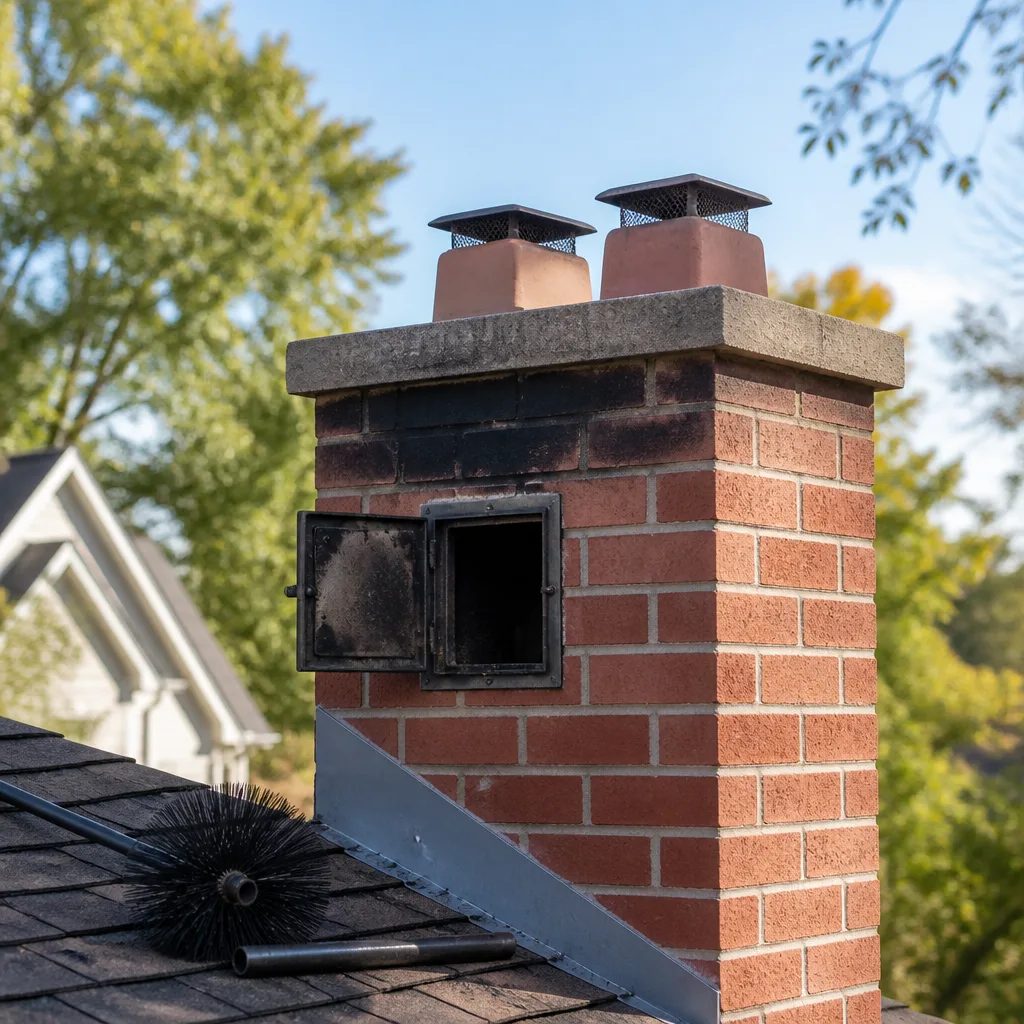 Sweep & inspection
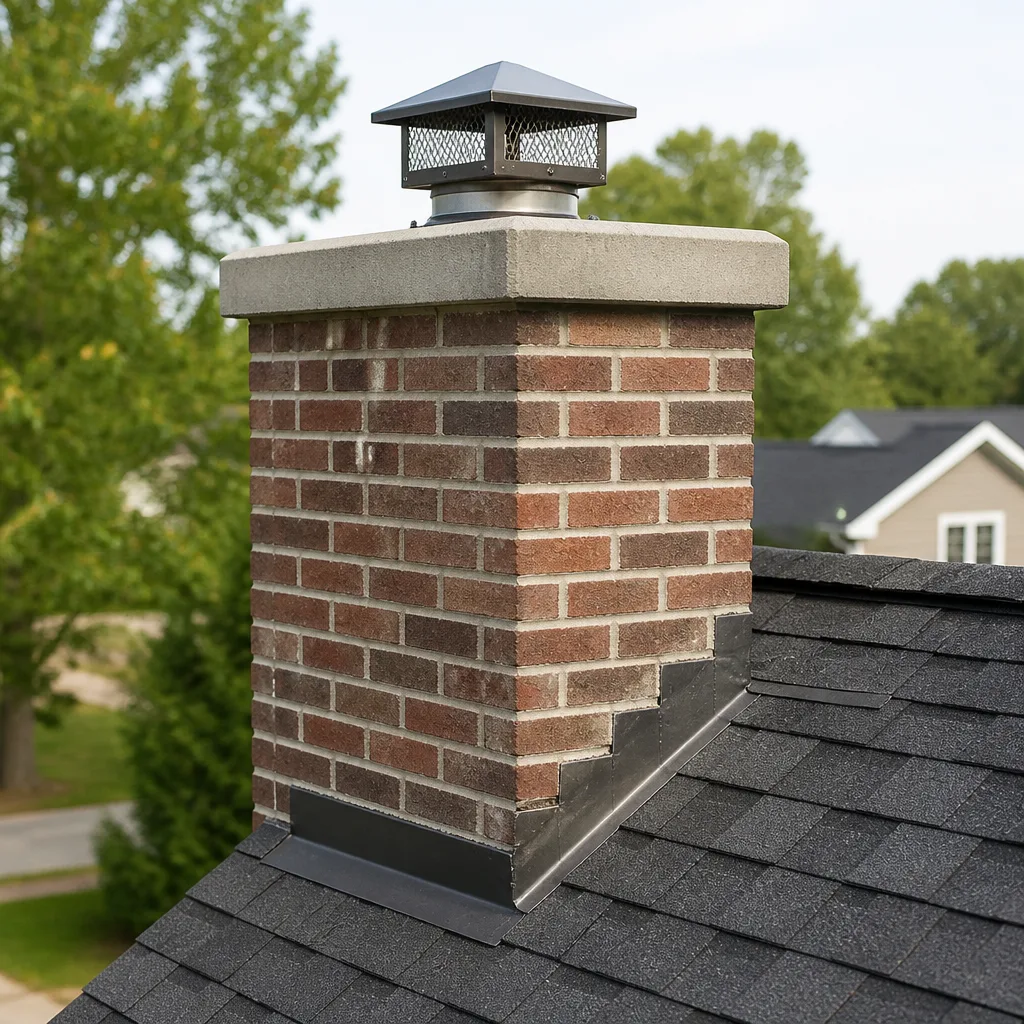 Caps & crowns
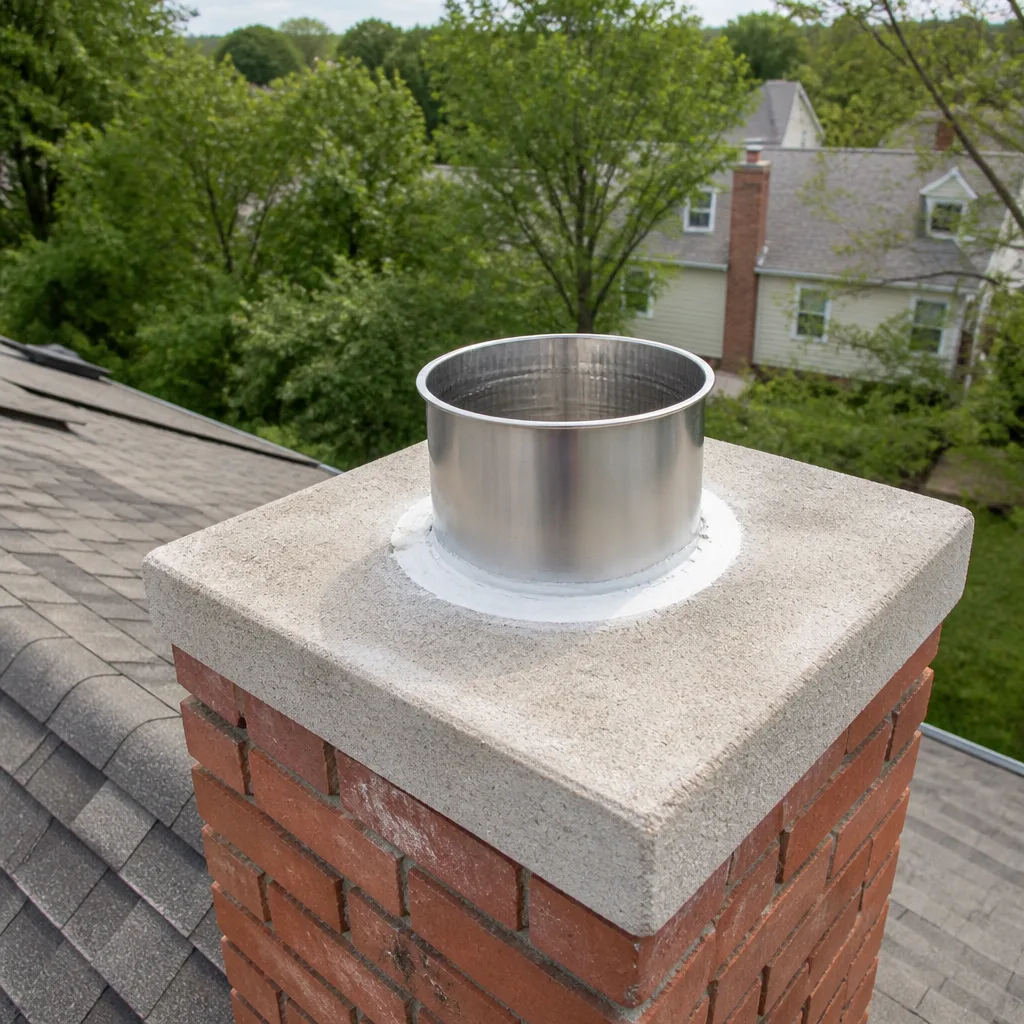 Flue relining
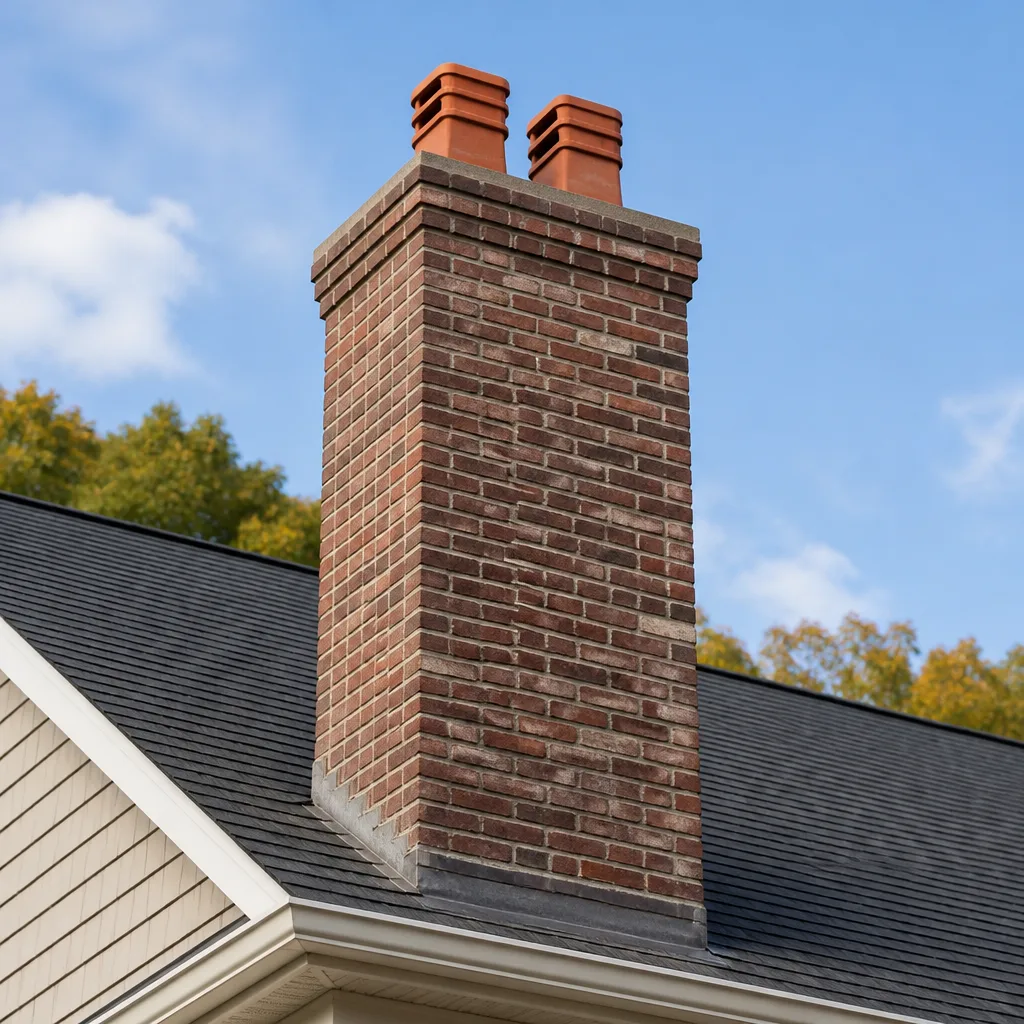 Masonry repair
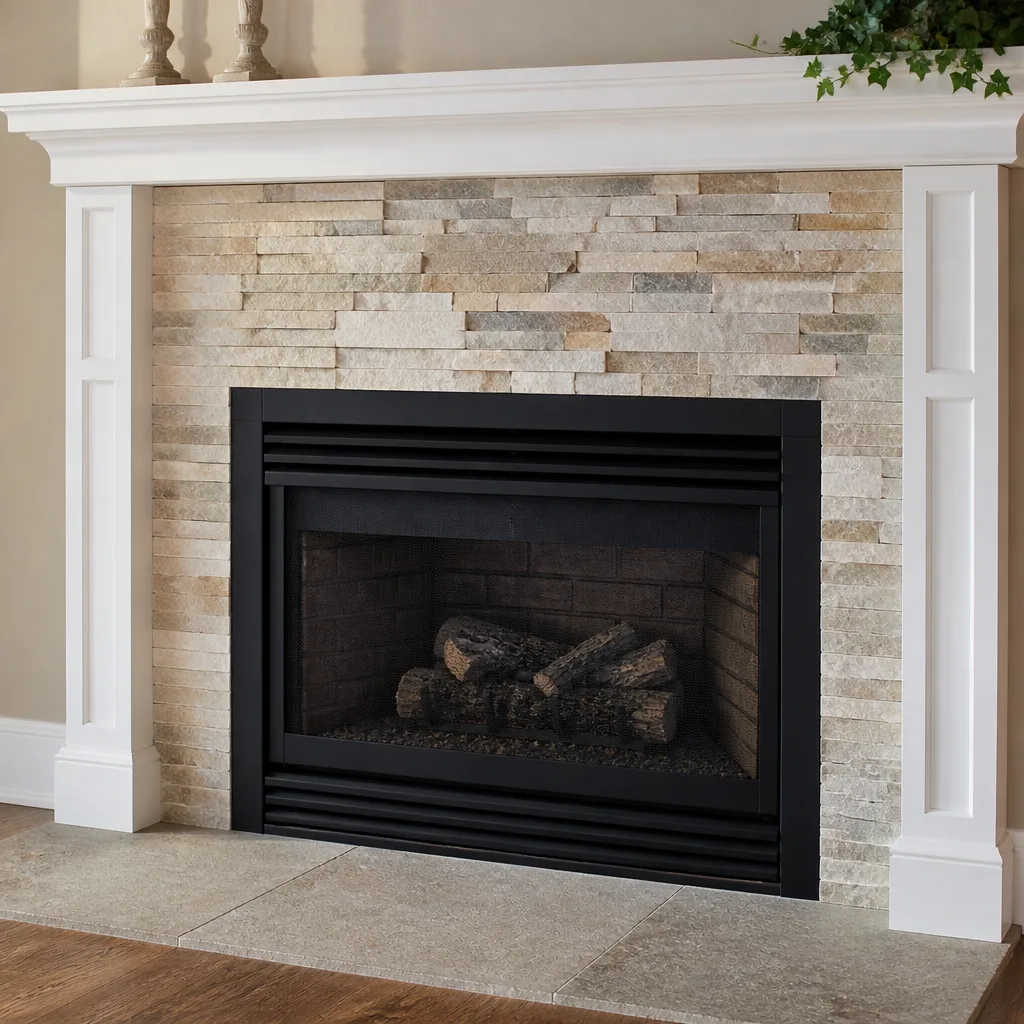 Gas fireplace service
Level 1 sweep and inspection to the NFPA 211 annual standard - flue, crown, cap, and flashing checked and photographed
Chimney sweep logs do not sweep chimneys. They loosen some creosote - which then falls where a brush and vacuum still have to collect it.
Chimney Cleaning Emergency Preparedness Guide for Davie Homes
Most people picture a chimney fire as a roaring, roaring-train sound with flames shooting from the top of the stack. The truth is quieter and more unsettling. Many chimney fires burn slowly inside the flue, smoldering in a layer of creosote for several minutes before they ever announce themselves, and the damage they do to the flue is what makes the next ordinary fire dangerous. We’re a chimney specialist, not a general handyman crew, and we’ve walked into Davie homes where a fire had already happened, cooled off, and been forgotten until the next cold snap. There’s the emergency itself, but there’s also the other half of preparedness here: Davie sits in a part of South Florida where named storms are a real seasonal rhythm, and a chimney that survives a winter fire intact can still be compromised by wind-driven rain and debris. This guide covers both sides. You’ll learn how to recognize a chimney fire in progress, what to do in those minutes, how to think about carbon monoxide risk from fireplace use, how to secure a chimney before a storm, and how to document everything afterward for your insurer. By the end you’ll know what you can safely handle yourself and what genuinely needs a trained set of eyes.
Quick Answer
For Davie homeowners, chimney emergency preparedness means two things working together: knowing the warning signs of a chimney fire or carbon monoxide event and the immediate steps to take, and protecting the chimney system before and after major weather. If you suspect a chimney fire, stop using the fireplace, get everyone outside, and call 911. After any fire event, or after a named storm, the chimney needs a professional evaluation before the next fire is lit. A free estimate from our team gets you a clear answer on what’s actually wrong.
Styles & brands we work with
- Sweep & inspection
- Caps & crowns
- Flue relining
- Masonry repair
- Gas fireplace service
Table of Contents
- How to Recognize a Chimney Fire in Progress
- What to Do in the First Five Minutes
- Carbon Monoxide Risk and the Fireplace
- Hurricane Preparedness for Davie Chimneys
- What to Check and Secure Before a Named Storm
- The Post-Storm Inspection Protocol
- What to Tell Emergency Services
- Documentation and Insurance Claims
How to Recognize a Chimney Fire in Progress
A chimney fire isn’t always obvious from inside the room. Some announce themselves loudly. Others burn at low intensity for a long stretch, and the homeowner may only notice a smell or a subtle change in how the fireplace is drawing. In our experience, the quiet ones cause the most structural damage because they get no attention until the flue has already been stressed. Here’s what to listen and look for.
Sounds:
- A low rumbling or roaring that sounds like a freight train approaching, increasing in volume.
- Popping, cracking, or a rapid tapping sound from inside the flue.
- A sustained whooshing sound, almost like a gas burner, that doesn’t stop when the fire dies down.
Smells:
- A hot, acrid, or burning-metal smell in the room or near the flue.
- Smoke backing into the room even when the damper is open and the fire was drawing well a moment before.
- A chemical or creosote odor that lingers after the fire is out.
Visual cues:
- Dense, dark smoke or flames visible at the top of the chimney.
- Glowing or sparks escaping from the chimney top.
- Pieces of creosote or debris dropping into the firebox.
- The chimney pipe or masonry getting unusually hot to the touch on the exterior or near the ceiling penetration.
- A damaged damper, warped cap, or discolored metal where the flue meets the chimney top.
If you see or hear any combination of these, treat it as a live chimney fire until proven otherwise. That’s true whether the fire in the firebox looks small or has already gone out. The flue can stay hot long after the firebox cools, and a fire inside the chimney can reignite if fresh oxygen reaches it.
What to Do in the First Five Minutes
The minutes right after you suspect a chimney fire matter more than anything else on this page. Work through these steps in order. If you’re ever unsure whether the situation is serious, err on the side of getting out and calling 911.
- Get everyone out of the house. Move people and pets outside and away from the chimney side of the structure. This is not the moment to gather belongings.
- Call 911. Tell them you suspect a chimney fire at your address. It’s better to have the fire department confirm it’s out than to assume.
- Close the fireplace doors or screen if you can do so safely. Cutting oxygen to the firebox slows combustion. Don’t reach across a hot screen or into a firebox that’s already producing heavy smoke.
- Close the damper if it’s safe to reach. This restricts airflow up the flue, which starves the chimney fire of oxygen. If the damper handle is too hot or smoke is pouring into the room, leave it and leave the room.
- Don’t spray water into the firebox. A sudden blast of water on a hot firebox or masonry can crack it and send steam and smoke back at you.
- Wait outside for the fire department. Don’t re-enter until they’ve cleared the scene.
If the fire is already out and you never called anyone, you still need a professional evaluation before you use the fireplace again. A fire that appears to have burned out on its own may have left a cracked flue tile, warped liner, or damaged damper behind. Lighting the next fire on top of that damage is how a minor event becomes a serious one. Our Chimney Sweep Davie team can walk the flue and give you a straight answer about what survives and what doesn’t.
Prevention is the other half of this. A chimney that’s been swept and inspected isn’t fireproof, but it removes the fuel load that slow-burning chimney fires feed on. That’s why we treat chimney sweep service as part of emergency preparedness, not a separate chore.
Carbon Monoxide Risk and the Fireplace
Carbon monoxide from a fireplace is the risk that gets the least attention and deserves the most. CO is colorless, odorless, and produces no smoke, so a failing flue can be venting dangerous gas into the living space while the fire in the firebox looks perfectly normal. We’ve seen damaged flues in Davie homes that gave zero visual indication from inside the room.
What conditions produce dangerous CO levels from a fireplace?
- A blocked or partially blocked flue. Nests, fallen masonry, or heavy creosote buildup can narrow the flue until exhaust can’t escape fast enough.
- A cracked or deteriorated flue liner. A liner is what keeps combustion gases moving up and out. Cracks let those gases drift into the wall cavity or back into the room.
- Negative pressure in the house. Modern homes are tight. Bath fans, kitchen exhaust, and even a strong clothes dryer can pull air down the chimney instead of up.
- A closed or partly closed damper. An easy oversight, and one that produces CO symptoms quickly.
- A cold flue on a mild Davie evening. A flue that hasn’t warmed up can struggle to establish draft on a low fire.
The reason a blocked or damaged flue is dangerous is precisely because it isn’t always obvious. A chimney can look fine from the outside, the fire can burn well for months, and the problem only shows up under specific conditions. A CO alarm on every level of the home is a baseline requirement, but it isn’t a substitute for knowing your flue is intact. If anyone in the home reports headaches, dizziness, nausea, or confusion while a fire is burning, put the fire out if possible, get everyone outside, and call 911. Treat CO symptoms as a medical emergency first and a chimney problem second. For a professional assessment of the flue itself, our chimney repair work covers liner evaluation and restoration.
Hurricane Preparedness for Davie Chimneys
Davie sits in a part of South Florida where hurricane season runs from June through November, and a chimney is one of the more exposed parts of a home when wind and wind-driven rain arrive. A chimney is essentially a vertical opening into a structure. Anything that compromises the cap, crown, flashing, or masonry lets water in, and water in a chimney shows up weeks later as rusted dampers, spalled brick, or a liner that’s lost its footing.
South Florida’s storms bring wind and rain rather than snow, and the damage they cause follows patterns worth knowing. What typically matters for a chimney:
- The cap and spark arrestor. These take the wind load first. A cap that’s loose or rusted through becomes a missile and leaves the flue open to rain.
- The crown. The crown is the sloped concrete or masonry top that sheds water away from the flue. A cracked crown channels water straight into the chimney structure.
- Flashing at the roofline. The metal that seals the chimney to the roof is a common leak point after sustained wind.
- The masonry itself. Wind-driven rain can drive into any open joint or soft mortar. Older brick in Broward County has been through many storm seasons.
Debris is the other issue. During a storm, leaves, twigs, and roof shingle grit can collect at the top of the flue or drop partway down. A cap that’s intact keeps most of it out, which is one more reason it’s worth checking before a storm rather than after.
If you don’t already have one, a chimney professional should look at the cap and crown before hurricane season begins. Our Davie team handles that assessment as part of inspection, and we work with product lines including Gelco and Olympia Chimney for caps and venting components matched to your chimney type.
What to Check and Secure Before a Named Storm
When a named storm is on the forecast track, here’s what a homeowner can check without getting on the roof. Anything that requires climbing is a job for a professional, and a homeowner on a pitched roof in pre-storm wind is a real hazard.
- Look at the cap from the ground. Binoculars are fine. If you see a cap bent, leaning, or missing, note it. Don’t try to reach it yourself.
- Check the flashing area from the attic if you have access. A flashlight on the chimney penetration from inside the attic will show fresh water stains or daylight.
- Close the damper all the way. This reduces the amount of wind-driven water and debris that can enter the flue.
- Move anything stored near the chimney base inside. A loose lid or a stack of moving boxes knocked over won’t hurt the chimney, but a gust banging something against the glass doors could.
- After the storm, don’t light a fire until the chimney is inspected. This is the step most homeowners skip. More on that below.
If a storm is headed toward Davie and you’re not sure your cap and crown will hold, call (877) 798-7859. We answer 24/7. Fast dispatch from 7am to 7pm, Sunday through Friday.
The Post-Storm Inspection Protocol
The first fire after a storm is not the right moment to discover a problem. Post-storm inspection should happen before the fireplace gets lit again, and it’s not something you can fully do from inside the room. Here’s the sequence a professional inspection follows:
- Exterior evaluation. Check cap, crown, flashing, masonry, and the top few courses of brick for wind damage or cracks.
- Flue interior assessment. A camera inspection shows the liner, the condition of any joints, and whether debris or water has entered.
- Firebox and damper check. Rust on the damper, standing water in the firebox, or grout loss in the firebox brick all point to water entry above.
- Draft test. Confirm the flue is drawing correctly before a fire is lit. A flue that took on water or debris may not pull smoke properly.
If the inspection finds damage, that’s where a specialist’s product access matters. Our team works with Chimney Sweep Davie services that span inspection, sweep, and repair because a storm-damaged chimney often needs all three. A cracked liner might need DuraFlex flexible liner systems. A damaged crown might need masonry work. A rusted damper might need replacement with a Famco or Copperfield component. We match the repair to the material, not the other way around.
Getting an inspection before the first post-storm fire is cheap insurance against a very expensive surprise. Call (877) 798-7859 for a free estimate on post-storm inspection in Davie.
What to Tell Emergency Services
If you’re calling 911 for a suspected chimney fire, the dispatcher needs specific information to send the right resources. Here’s what to have ready, and what to say.
- Your exact address and whether the home is a single-family house or a larger building.
- That you suspect a chimney fire, not a house fire. The two get different responses, and the dispatcher may ask follow-up questions to clarify.
- Where the chimney is on the house. Exterior masonry chimney, interior chimney, or a factory-built metal chimney all matter.
- What you’ve already done. Have you closed the damper? Have you closed the fireplace doors? Is everyone out of the house?
- Whether anyone has symptoms of carbon monoxide exposure, and how many people are in the home.
- Whether you see smoke, flames, or sparks at the top of the chimney, and whether you see any damage to the chimney structure.
- Whether the home has a CO alarm that has gone off.
After the fire department has cleared the scene and confirmed the fire is out, they may tell you the fireplace is safe to use again. That’s a fire-safety call, not a chimney-engineering call. Even if the fire was minor and the structure looks fine, the flue needs a professional evaluation before the next fire. A slow-burning chimney fire can crack flue tiles and warp a metal liner without producing visible exterior damage. The only way to know is to look inside the flue with a camera. Contact us at (877) 798-7859 to book that evaluation.
Documentation and Insurance Claims
Homeowner’s insurance claims for chimney fire damage get decided on documentation. An adjuster working a claim will want to see a professional evaluation that records what happened, what was damaged, and what it will take to repair it. That’s what a Level 2 inspection report provides, and it’s why we encourage homeowners to commission one after any fire event, whether or not they plan to file a claim.
What a Level 2 chimney inspection covers and why adjusters want it:
- A camera-based visual assessment of the flue interior that documents the liner condition, creosote level, and damage that isn’t visible from the firebox.
- Photos and written documentation of the firebox, damper, smoke chamber, flue liner, crown, and cap.
- A record of what was damaged and what typically causes that damage, which helps the adjuster connect the damage to the event.
- Repair recommendations in writing, so the claim can be scoped accurately rather than estimated on the fly.
Most standard homeowner policies cover chimney fire damage, but the claim is only as strong as the paperwork. Take photos of what you can see right after the event, keep your fire department’s report if there is one, and don’t throw away damaged components. If a professional inspection finds damage that requires repair, we work with industry-recognized product lines including DuraFlex, HeatShield, Gelco, Olympia Chimney, Famco, and Copperfield, and the repair documentation will reference the actual products and methods required for your flue type.
If you’re filing a claim in Davie, call us at (877) 798-7859 to schedule the inspection. The report is what your adjuster actually needs.
Common Mistakes to Avoid
- Assuming a quiet chimney fire is a minor one. The slow-burning fire that doesn’t produce flames at the top of the stack can cause more structural damage than a louder one because it burns longer before anyone notices.
- Skipping the inspection after the storm. Davie’s storm season brings wind-driven rain, and a chimney that survived the storm visually can still have water intrusion or cap damage that only shows up weeks later.
- Lighting the first fire of the season without a sweep. The first cold snap in Davie is exactly when slow-burning creosote fires happen. A sweep before that first fire removes the fuel load.
- Relying on a general handyman for chimney work. Chimney service involves cameras, liner systems, and flue resurfacing that a general contractor isn’t equipped for. A sweep-only service that can’t diagnose or repair is also a problem, since you’ll end up handing the repair to a second company.
- Not having a CO alarm on each level. A fireplace that’s venting carbon monoxide looks and smells normal. An alarm is the only warning you get.
- Using a fireplace after a fire event without confirming the flue is intact. This is the most common mistake we see, and it’s the one with the most serious consequences.
- Trying to prep or inspect the cap and crown yourself. Getting on a pitched roof before or after a storm is a genuine fall hazard. Let a professional handle it.
See the difference
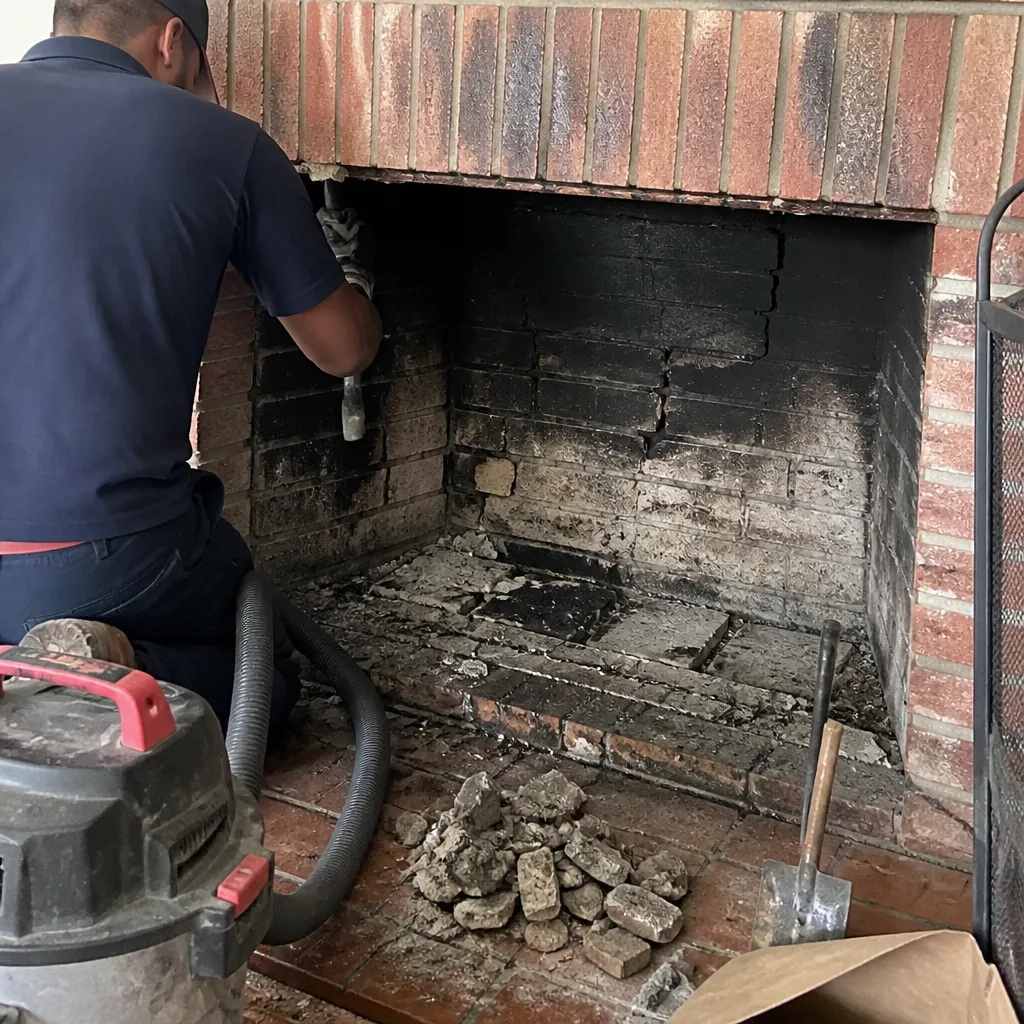 Before
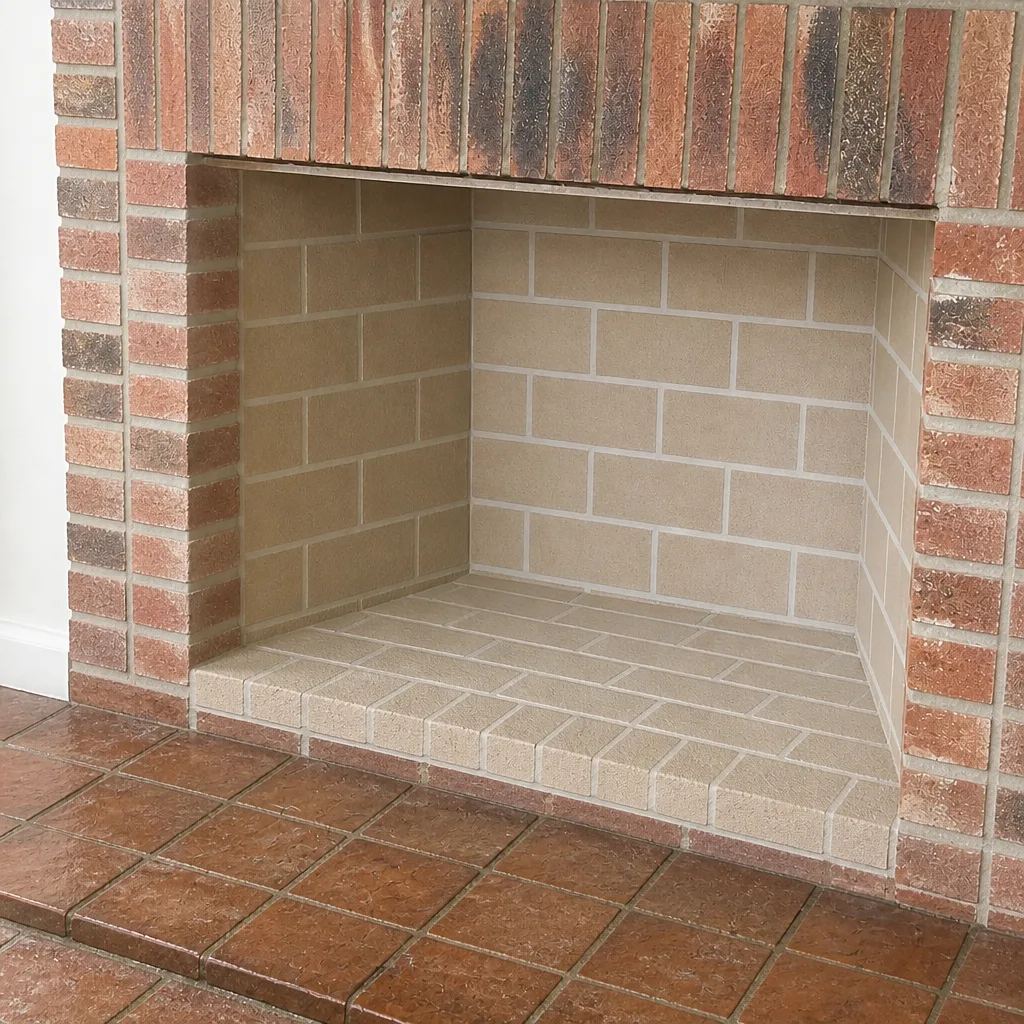 After
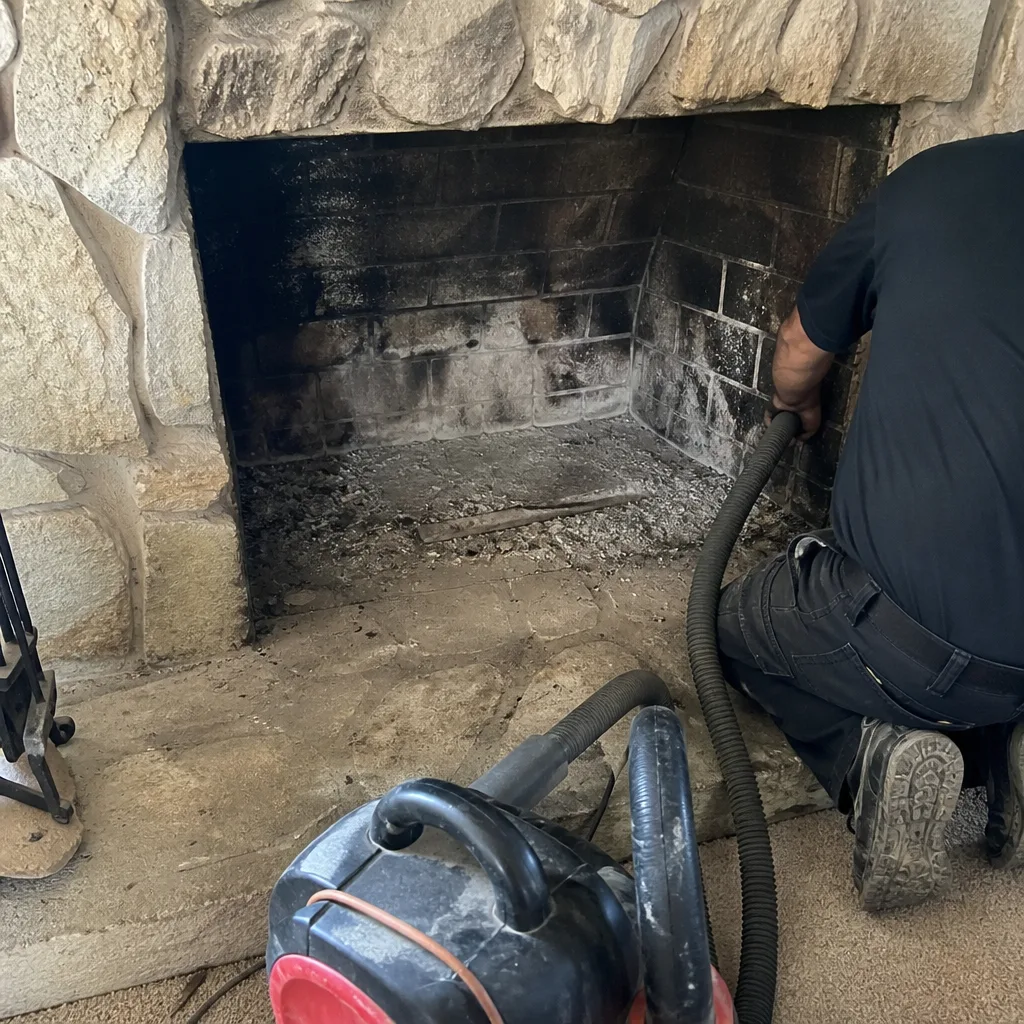 Before
 After
 Before
 After
When to Call a Professional
Call a chimney professional after any suspected chimney fire, even if it appeared to go out on its own. Call after any named storm that brought sustained wind or rain to your area. Call before the first fire of the season if the chimney hasn’t been swept. Call if a CO alarm goes off while a fire is burning or shortly after it’s out. Call if you see smoke coming back into the room, smell creosote when the fireplace isn’t in use, or notice rust on the damper or water stains in the firebox. And call if the cap, crown, or flashing looks compromised from the ground and you want a professional’s eyes on it before the next storm. Chimney Sweep Davie offers free estimates in Davie, and our technicians have up to 12 years of experience. Call (877) 798-7859. We answer 24/7. Fast dispatch from 7am to 7pm, Sunday through Friday. If you call outside dispatch hours, we’ll book you into the next opening.
Frequently Asked Questions
Get everyone out of the house and call 911. Glowing at the chimney top means flames, sparks, or embers are escaping, which is a chimney fire or a very hot creosote burn. Close the damper and fireplace doors only if you can reach them safely, and then wait outside for the fire department. Don’t try to put it out yourself from inside the house. Call (877) 798-7859 for a free estimate on inspection once the fire department has cleared the scene.
A chimney fire can burn out on its own, but “fine” is the part that needs a professional’s eyes. A slow-burning fire often cracks flue tiles, warps a liner, or damages the smoke chamber without leaving any visible exterior evidence. The flue needs a camera inspection before the next fire is lit. Lighting a fire on top of fire damage is how a minor event becomes a serious one. Call (877) 798-7859 for a free estimate on a post-fire evaluation.
Look for rust on the damper, water or staining in the firebox, fresh water stains in the attic at the chimney penetration, and visible damage to the cap from the ground. Wind-driven rain and storm damage often show up inside the chimney rather than on the roof, so a visual check from inside the house is the first step. A camera inspection confirms the flue hasn’t taken on water or debris. Call (877) 798-7859 for a free estimate on post-storm inspection.
Carbon monoxide risk from a fireplace isn’t tied to climate. It’s tied to the condition of the flue. A blocked, cracked, or poorly drafting flue can vent CO into the home even on a mild Davie evening, and CO has no odor or color to warn you. If anyone feels dizzy, nauseated, or confused while a fire is burning, get everyone outside and call 911. Then have the flue inspected before the next fire. Call (877) 798-7859 for a free estimate.
Most standard homeowner policies cover chimney fire damage, but the claim depends on documentation. A Level 2 inspection report with camera photos and written findings is what adjusters typically require. Commission the inspection after any fire event, even if you’re not sure you’ll file, so you have the record if you do. Call (877) 798-7859 for a free estimate on the inspection.
A chimney should be inspected once a year, and swept whenever creosote buildup reaches the level where a sweep is needed. In Davie, we recommend inspection before the first fire of the season and again after any named storm that brought sustained wind or rain. If you’re not sure when your chimney was last looked at, book an inspection and we’ll tell you what condition it’s in. Call (877) 798-7859 for a free estimate.
The Bottom Line
Emergency preparedness for a Davie chimney breaks into two parts, and both matter. On the fire side, learn the quiet signs of a slow-burning chimney fire, know the first five minutes of steps, and treat any suspected fire as a live one until the fire department says otherwise. On the weather side, check your cap and crown before a named storm, close the damper, stay off the roof, and get a professional inspection before the first post-storm fire. After either type of event, a Level 2 inspection report is what protects you, both for the next fire and for an insurance claim. The common thread is that the chimney that inspects is the chimney that sweeps and repairs, so nobody hands off and nobody loses track of what’s already been found.
If you’d like a professional’s answer on the condition of your chimney, call Chimney Sweep Davie at (877) 798-7859 for a free estimate. We answer 24/7. Fast dispatch from 7am to 7pm, Sunday through Friday.
Written by the team at Chimney Sweep Davie.