
Last updated November 16, 2026
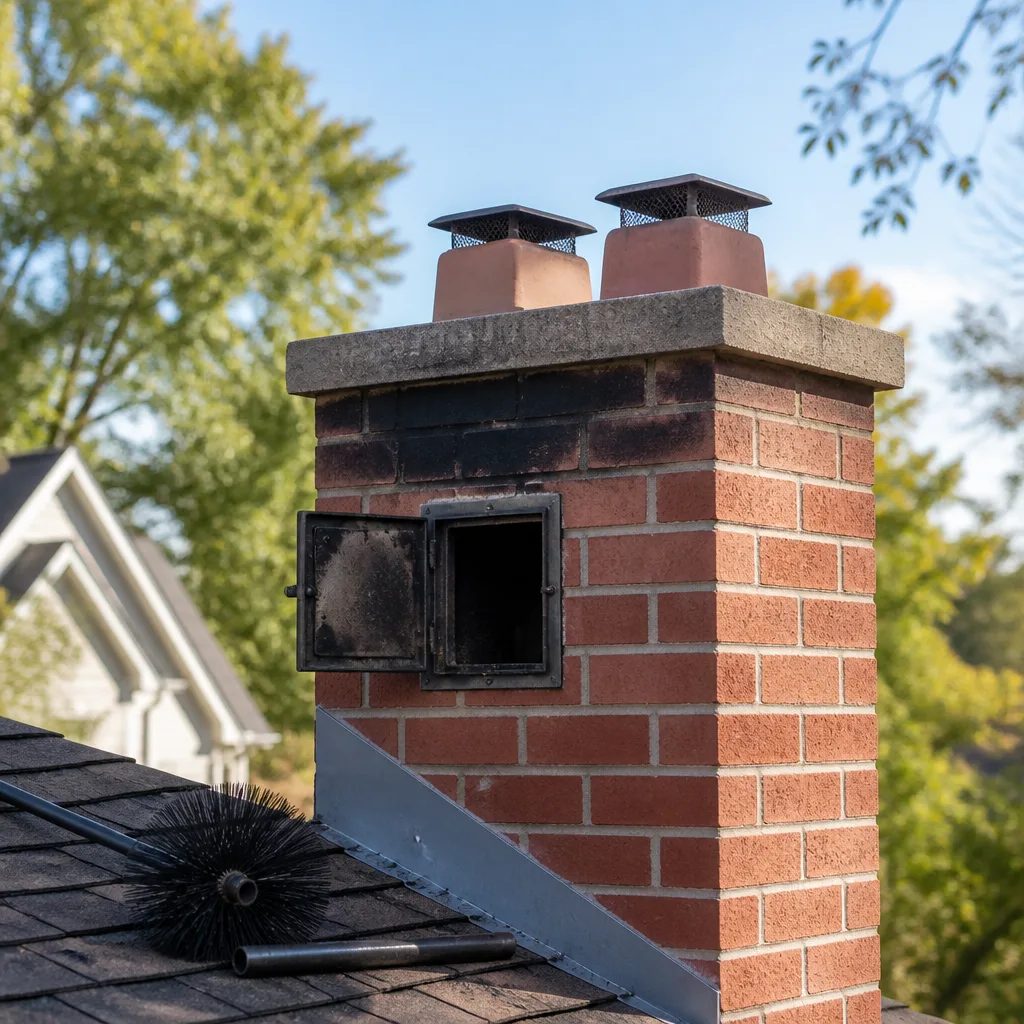 Sweep & inspection
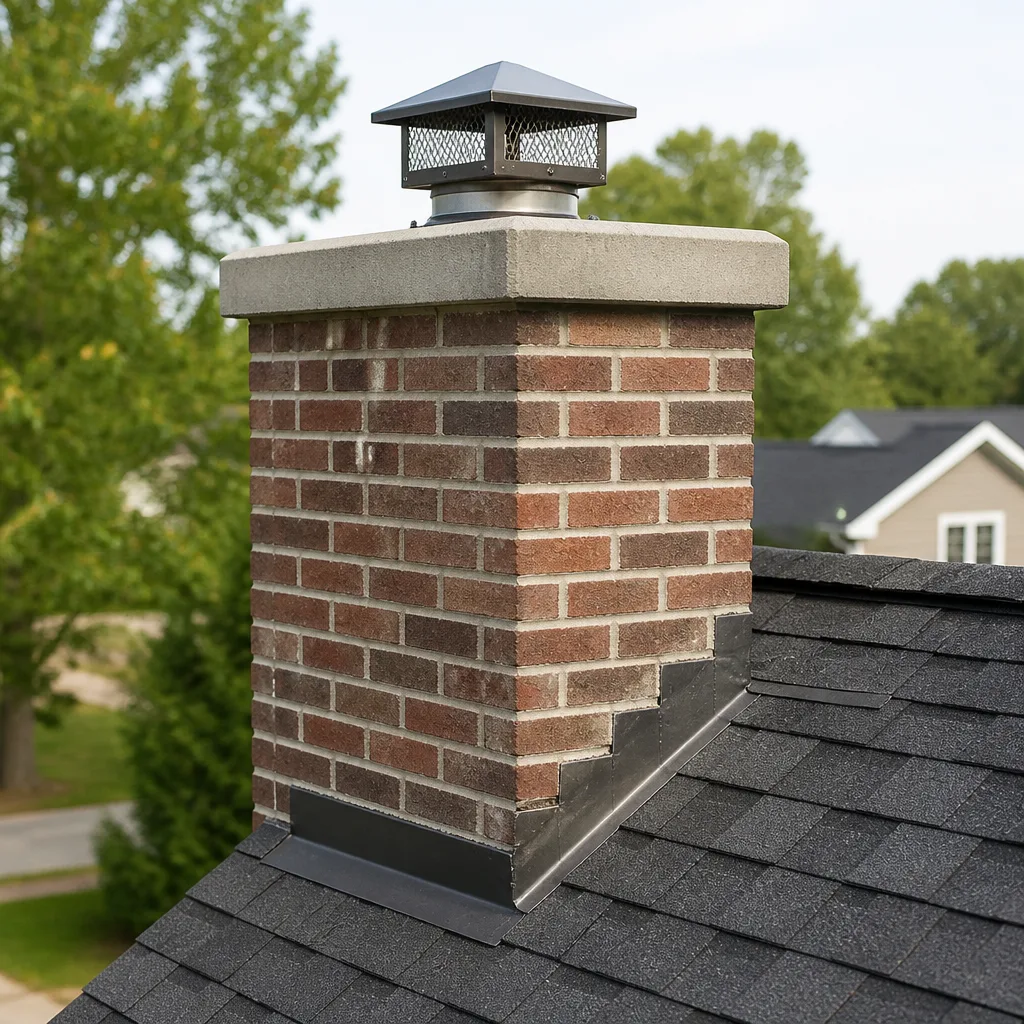 Caps & crowns
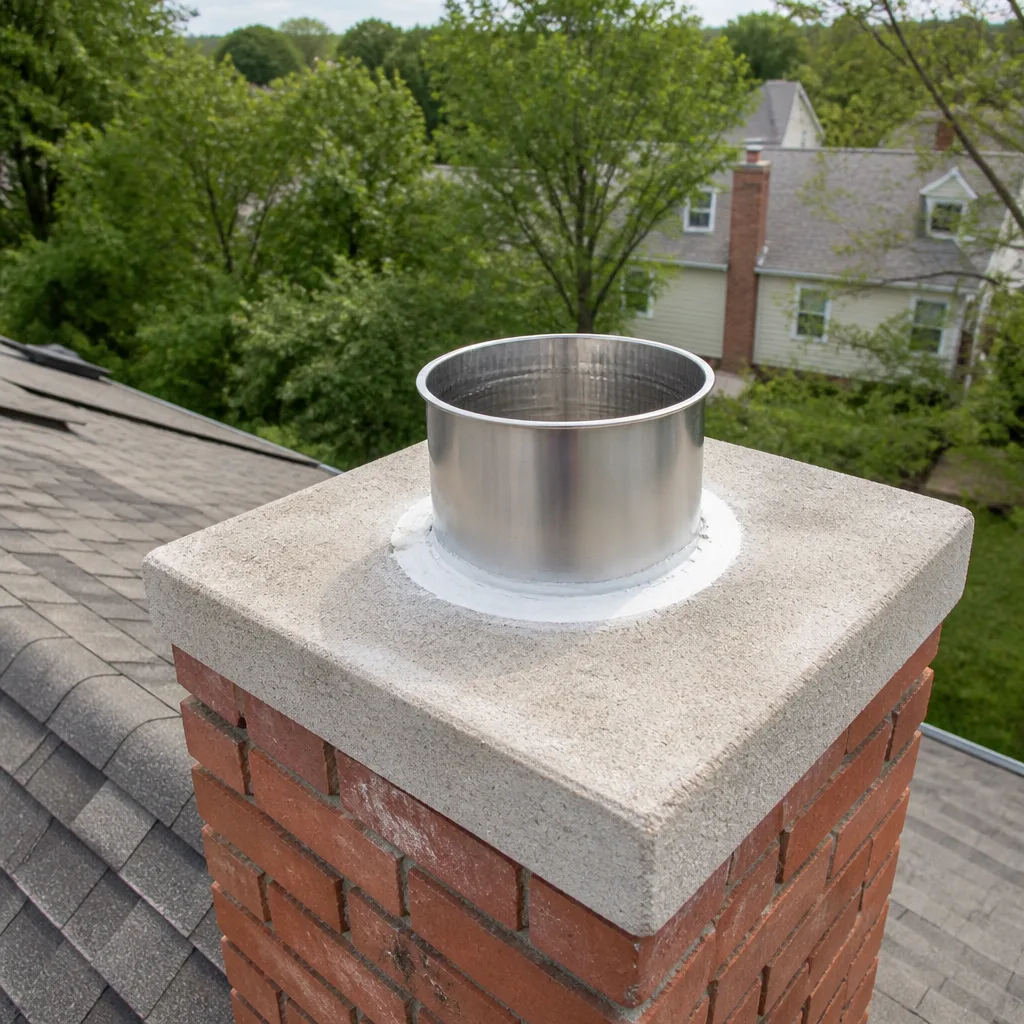 Flue relining
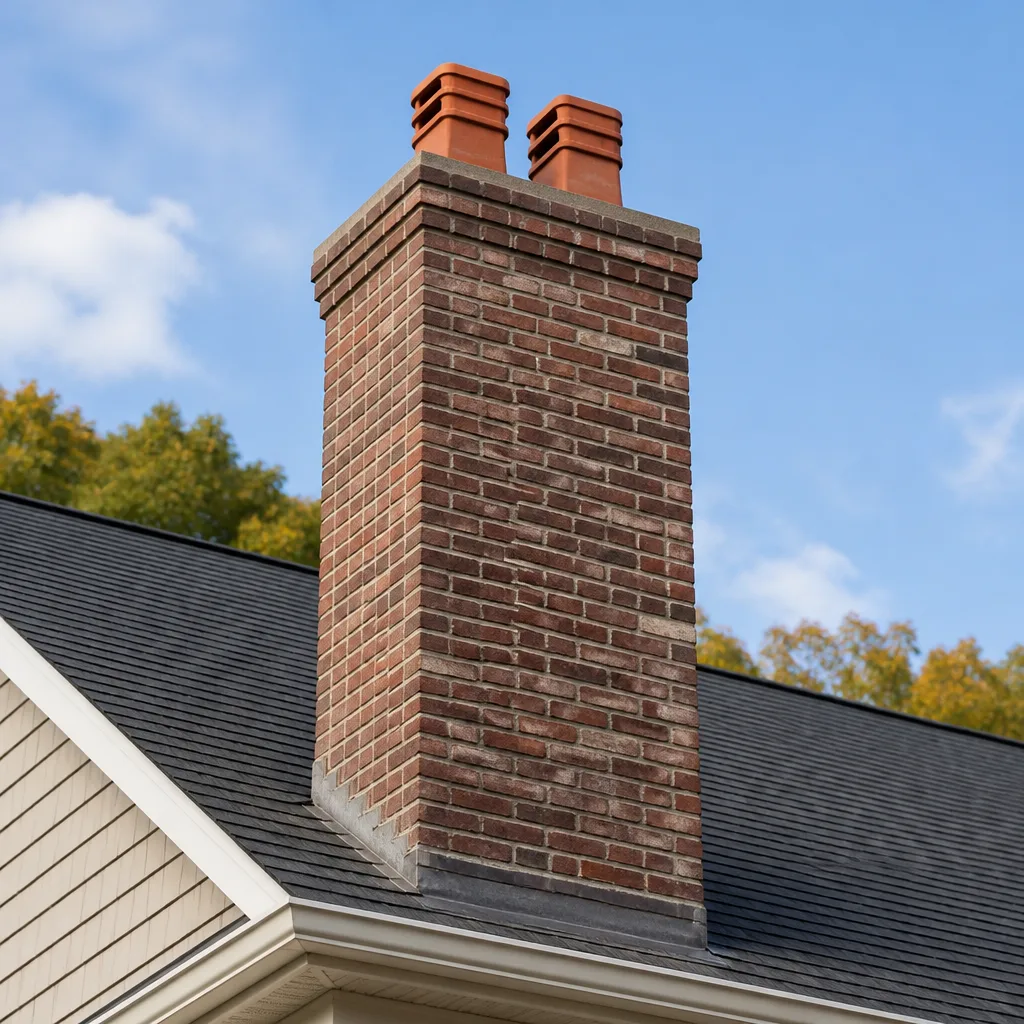 Masonry repair
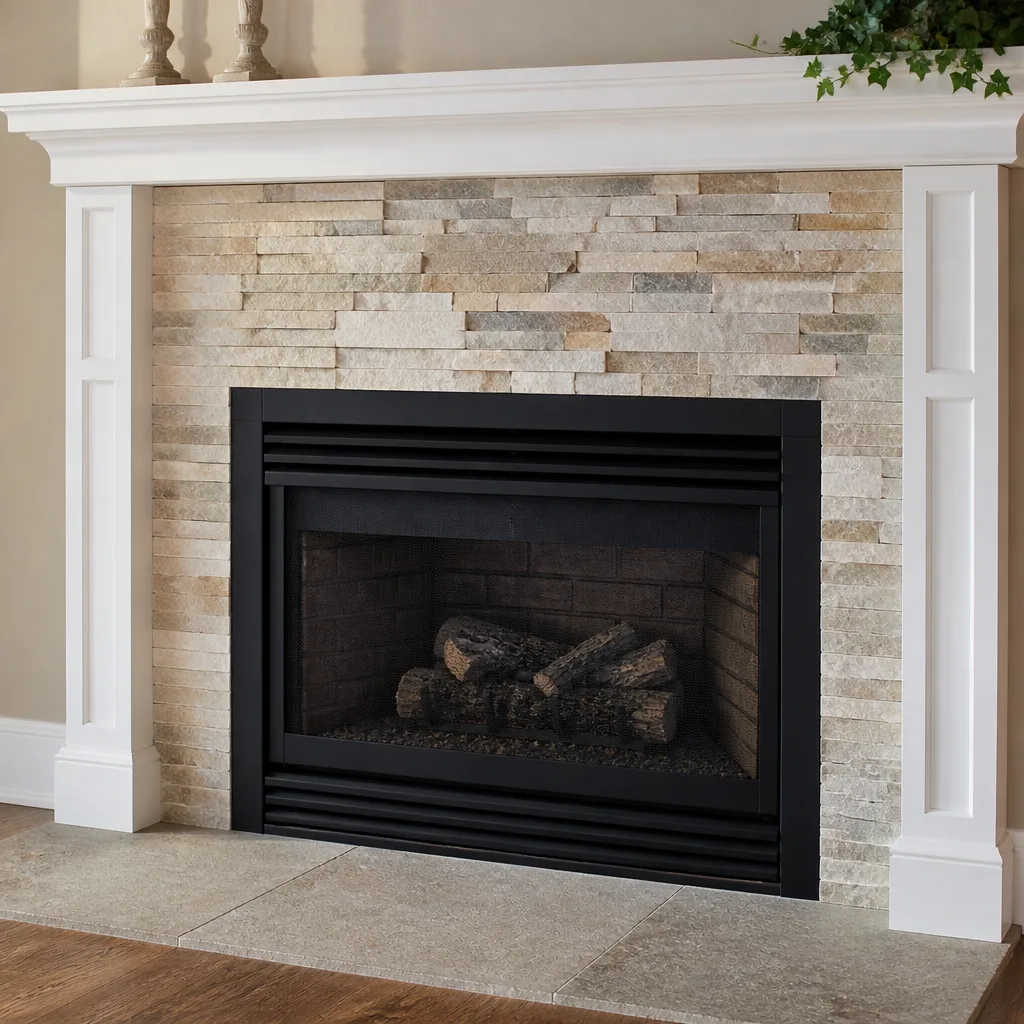 Gas fireplace service
Level 1 sweep and inspection to the NFPA 211 annual standard - flue, crown, cap, and flashing checked and photographed
Chimney sweep logs do not sweep chimneys. They loosen some creosote - which then falls where a brush and vacuum still have to collect it.
Chimney Cleaning Permits, Codes & Inspections in Davie, FL: What You Need to Know
Here’s the part most homeowners get wrong: a routine chimney sweep almost never needs a permit in Florida, but the repair that sweep uncovers usually does. The confusion sits right at that line, and it’s where unpermitted work quietly enters a house. A company that never brings up permits isn’t automatically doing anything wrong, because cleaning a flue is maintenance and maintenance is exempt. But if that same company is swapping a liner section or rebuilding a smoke chamber and still hasn’t mentioned permits, that’s a question worth asking before the work starts. This guide covers where the code line falls, what Broward County actually requires, how a missing permit can touch an insurance claim, and how to verify permit history on your own Davie home.
Quick Answer
In Davie, routine chimney sweeping and Level 1 inspections are maintenance and don’t require a building permit. Chimney repairs that alter the structure of the venting system, such as liner replacement, chimney rebuilding, firebox reconstruction, or installing a new appliance and its venting, generally do require a permit through Broward County’s building department, and the work must follow the Florida Building Code’s chimney and venting provisions. Always confirm the threshold with the county before work begins.
Styles & brands we work with
- Sweep & inspection
- Caps & crowns
- Flue relining
- Masonry repair
- Gas fireplace service
Table of Contents
- Where Maintenance Ends and Regulated Repair Begins
- What the Florida Building Code Says About Chimneys
- Broward County Permit Thresholds for Chimney Work
- The Three Inspection Levels and When Each Applies
- How Unpermitted Chimney Work Affects Insurance Claims
- Level 2 Reports and the Home Sale Process
- How to Verify a Contractor Pulled the Permit
- Why Davie Chimneys Age the Way They Do
Where Maintenance Ends and Regulated Repair Begins
If you keep one rule in your head, keep this one: cleaning is not construction, but changing the venting system is. Sweeping removes creosote, soot and blockages from a flue that already exists. Nothing about the flue’s shape, material or structure changes. That’s maintenance, and it sits outside the scope of a building permit.
A repair is different because it changes the system. The moment a technician removes a liner, alters a flue’s interior dimensions, rebuilds masonry, replaces a firebox, or installs an appliance and its vent connector, the chimney is being modified. In Florida, modified venting systems fall under the building code, and the code is enforced through permits and inspections.
Here’s the practical breakdown we use when talking with homeowners:
- Maintenance, no permit: sweeping, creosote removal, Level 1 and Level 2 camera inspections, cap cleaning, minor damper adjustment, and replacing a cap with a like-for-like part that doesn’t alter the venting system.
- Repair, permit likely required: installing a new stainless liner, resurfacing a cracked flue with a system like HeatShield, rebuilding a chimney above the roofline, reconstructing a firebox or smoke chamber, and installing a new fireplace insert, stove or gas appliance with its venting.
- The gray zone: replacing a top-sealing damper, changing a cap to a different style, or patching a crown. These depend on how much of the venting system is being altered, which is exactly the kind of question to put to the county’s building department rather than guess at.
What makes this confusing is that the two jobs often happen on the same visit. We sweep, we run a camera, and we find a crack in the flue tile. The sweep itself was exempt. The relining that follows is not, and a homeowner who didn’t know that can end up with a repaired Davie chimney and no paperwork to prove it was done to code. That paperwork matters later, which is the rest of this guide.
What the Florida Building Code Says About Chimneys
The Florida Building Code handles chimneys and vents in its mechanical and residential provisions, and the sections most relevant to Davie homeowners cover factory-built fireplaces, masonry chimneys, venting of appliances, and clearance to combustibles. The code’s job is straightforward: a chimney has to vent combustion gases safely, maintain its required clearance from wood framing and other combustible material, and hold up structurally. When a repair affects any of those three things, the code is engaged.
You don’t need to memorize section numbers to be a responsible homeowner, but you do need to know what the code cares about, because that’s what an inspector will look at:
- Clearance to combustibles. A flue must keep a specific distance from framing lumber, sheathing and insulation. A repair that reduces that clearance, or a liner installed without the right insulation wrap, creates a hazard the code is written to prevent.
- Flue integrity and sizing. The liner has to be continuous, correctly sized for the appliance, and free of cracks or gaps that let gases escape into the wall cavity.
- Termination and cap. The chimney has to terminate at the correct height above the roof and be fitted with a cap that keeps rain, animals and debris out without blocking the flue.
- Appliance connections. Insert and stove installations have to connect to the liner in a way that’s sealed and appropriate to the appliance type.
Where the code gets specific about products is where the material choice matters. A flexible stainless liner from a manufacturer like DuraFlex is a code-recognized approach to relining a deteriorated flue, provided it’s installed per the manufacturer’s listing and the code’s clearance requirements. Mixing a big-box liner into a flue it wasn’t designed for is the kind of shortcut that passes a visual glance and fails an inspection. It’s also why we work with established lines: the installation instructions and listings are written for the professional installer, and those documents are what the county inspector reviews.
Broward County Permit Thresholds for Chimney Work
Permits for chimney work in Davie run through Broward County’s building department rather than a separate city permitting office, since Davie is within the county’s building code enforcement structure. That’s the first thing to confirm before you assume a job is or isn’t permitted: call the county, describe the exact scope, and ask.
The thresholds line up with the maintenance-versus-repair split above. Here’s how we think about which jobs land on which side:
- No permit needed: a standard annual sweep, a Level 1 inspection during a sweep, and a Level 2 camera inspection performed as part of diagnosing a problem. These are investigative and maintenance activities.
- Permit generally required: a full or partial reline with a flexible stainless system, resurfacing the flue interior with a product like HeatShield, rebuilding the chimney above the roof, reconstructing a firebox, and any new appliance installation that includes venting.
- Verify with the county: cap replacement when the style or size changes, damper replacement, crown repair, and repointing of masonry joints. Some of these are cosmetic, some are structural, and the county is the authority on where the line sits for your specific chimney.
The permit process itself is not onerous. The contractor submits the scope, the county reviews it, an inspection happens at the appropriate stage or at completion, and the permit closes out. When a licensed chimney specialist handles the submission, the timeline is predictable. When a general handyman skips it because the paperwork is a hassle, the homeowner inherits the risk without knowing it.
One point worth stating plainly: we can’t tell you in a guide what every possible scope requires, because the answer depends on the chimney and the county’s read of the scope. What we can tell you is that we’d rather spend ten minutes on a permit question than have a homeowner discover years later that a repair on their Davie home was never inspected. Call (877) 798-7859 for an exact quote on your chimney work – estimates are free.
The Three Inspection Levels and When Each Applies
Chimney inspections follow a three-level framework the industry uses, and knowing the levels helps you understand what you’re paying for and when a report becomes a document with real weight.
- Level 1 inspection. A visual check of the readily accessible parts of the chimney and firebox, done with the fireplace in its normal condition. This is what’s included with a routine sweep and is appropriate when nothing has changed with the appliance or the home.
- Level 2 inspection. Everything in a Level 1, plus a camera inspection of the flue interior, the chimney exterior, the attic and crawl spaces, and accessible portions of the venting. A Level 2 is required after any change to the appliance or venting, after a chimney fire, after an earthquake or severe weather event, and during a home sale when the property changes hands.
- Level 3 inspection. The most involved level, used when a problem can’t be diagnosed through normal access points. It can involve removing parts of the chimney or surrounding construction, so it’s reserved for serious cases.
For most Davie homeowners, the Level 1 that comes with a chimney sweep is the starting point. The Level 2 becomes the important one the moment something changes. If you’ve replaced a fireplace insert, had a chimney fire, or are selling the house, the Level 2 report is the document that tells a buyer, an insurer or an attorney exactly what condition the venting system is in.
The camera inspection and photo report are part of how we work, and they matter here specifically because a report you can see for yourself is what makes a recommendation verifiable. A verbal “your flue is cracked” is not. A photo of the crack, with a measurement, is.
How Unpermitted Chimney Work Affects Insurance Claims
This is the section most homeowners have never been told about, and it’s the reason the permit question deserves a direct answer. Homeowner’s insurance policies generally require that structural work on the home be done with the necessary permits and to code. If a fire claim traces back to chimney work that was done without a permit, or done incorrectly, the insurer has a legitimate basis to question or deny the claim.
That’s not a scare tactic. It’s how the policy contract reads. Insurers cover the home as it was built and maintained. Unpermitted alterations are, from the insurer’s perspective, a change to the risk they agreed to cover without their knowledge.
In practice, the problem surfaces in a few ways:
- Fire origin investigation. If a fire begins at the chimney and the adjuster finds a liner that was installed without a permit, the claim gets escalated. The question becomes whether the installation was defective, and the homeowner is the one trying to answer.
- Carbon monoxide events. A venting system that leaks because of improper installation is a life-safety issue first and an insurance issue second. The missing permit is the paper trail that says nobody checked.
- Future coverage. Unpermitted work can show up when you shop for coverage or refinance, and some insurers ask directly about it.
The fix is simple: if you’re having any chimney repair done, ask whether a permit is required, and if it is, confirm it gets pulled. If a contractor tells you the permit isn’t necessary for a reline, get that in writing or get a second opinion. On a chimney repair job, the permit and the inspection are part of the work, not an add-on.
Level 2 Reports and the Home Sale Process
If you’re selling a home in Davie, the chimney is one of the last things most listing agents think about and one of the first things a buyer’s inspector will flag. A Level 2 inspection report has become a document buyers’ attorneys request with some regularity, because it’s the only reliable way to know what’s inside a flue that nobody can see.
Here’s why it carries weight. A visual glance at a fireplace tells a buyer nothing about the liner. That liner may be cracked, may have gaps at the joints, or may have been improperly relined at some point. A Level 2 camera inspection documents all of that with photos, and the report states the condition plainly. If the flue is sound, the report closes a question. If it isn’t, everyone knows the number before a contract gets negotiated.
What the report does in practice:
- Gives the buyer a documented baseline for the venting system’s condition.
- Short-circuits the renegotiation that happens when a buyer’s inspector finds a cracked flue during the option period.
- Confirms whether prior work on the chimney was done to code, and whether permits exist for it.
- Supports the seller’s position when the chimney is fine and the report says so.
For a seller, ordering the Level 2 before listing is usually the cheaper path. For a buyer, requesting one during the inspection period is standard practice now. Either way, the report is worth more when the same team that inspected can make the repair, which is why we keep inspection, sweeping and repair under one company rather than handing off to a second contractor.
How to Verify a Contractor Pulled the Permit
You don’t have to take a contractor’s word for it. Broward County maintains an online permit portal where you can look up permit history by property address, and that’s the tool to use before and after work is done. Here’s the process:
- Ask for the permit number before work starts. A contractor who is pulling the permit can give you the application number, or at least confirm the date it will be submitted. If the answer is vague, that’s the answer.
- Look up the property on the county’s online permit portal. Search by address. You’ll see permits pulled on the property, their status, and the contractor of record.
- Check the contractor listed. The name on the permit should match the company doing the work. If it doesn’t, ask why.
- Confirm the final inspection. A permit isn’t closed until the county inspection passes. After the work is complete, check the portal again to confirm the permit status shows inspection passed and the permit is closed.
- Keep the paperwork with your home records. If you ever sell or file a claim, the closed permit is your proof.
That last step gets skipped constantly. A closed permit with a passed inspection is the single most useful piece of paper a homeowner can hold after a chimney repair, and it costs nothing to request a copy and file it. If you’re not sure how to read the portal, call (877) 798-7859 and we’ll walk you through what to look for on your Davie property.
Why Davie Chimneys Age the Way They Do
Davie’s climate shapes chimney wear in ways that northern homeowners wouldn’t recognize. There’s no freeze-thaw cycle here to split masonry, and no snow load to stress a chimney’s structure. What we have instead is heat, humidity and rain, and each does its own kind of damage.
The rainy season drives water into every gap it can find. A crown with a hairline crack, a cap that’s missing or damaged, a masonry joint that’s lost its mortar: each one lets water in during a summer storm, and that water sits in the masonry because the humidity doesn’t let it dry out quickly. Over years, that produces spalling brick, deteriorated mortar and interior damage that a homeowner can’t see from the ground. The fireplace may still work fine. The chimney behind it may not.
Humidity works on the inside too. A wood-burning fireplace in a Davie home that sees occasional use can build creosote that stays soft rather than glazing hard the way it does in dry cold climates, but that doesn’t make it safe. Soft creosote still ignites. And a chimney that hasn’t been swept in years can hold a surprising amount of it.
The local housing stock adds another layer. Davie has a mix of older masonry chimneys on homes built decades ago and newer factory-built fireplaces in more recent construction. The older masonry chimneys are the ones where liner deterioration, crown cracks and firebox wear show up, and they’re also the ones where the work crosses the permit threshold most often. A reline on a masonry chimney is a structural repair. It’s also the repair where the material matters most, which is why we work with lines like DuraFlex and Olympia Chimney rather than whatever a generalist has on hand.
For homeowners across Davie – from the neighborhoods around Orange Drive and Griffin Road to the older sections near the downtown core – the takeaway is the same. The climate is mild enough that chimney problems don’t announce themselves loudly. They show up in an inspection report, or they show up in a fire. Which of those you get depends on whether anyone opened the flue and looked. Read more about how we approach work in Davie and what a proper inspection covers.
Common Mistakes to Avoid
- Assuming a sweep needs a permit. Routine cleaning is maintenance and doesn’t require one. Assuming it does can make you mistrust a legitimate contractor, and assuming every repair doesn’t can get you into trouble. The scope is what matters, not the visit.
- Letting a reline happen without asking about the permit. A full or partial liner installation alters the venting system and generally requires a permit. If nobody mentions it, ask directly before the technician starts.
- Hiring a general handyman for chimney repair. Chimney work is a trade with its own code provisions and its own material lines. A generalist may not know which liner fits your flue type, and may not know the permit threshold either.
- Skipping the Level 2 before selling. Buyers’ attorneys are requesting these reports with more regularity, and a seller who waits usually pays more in negotiation than a seller who ordered the report first.
- Not keeping the permit paperwork. A closed permit with a passed inspection is proof of compliant work. File it with your home records, because you’ll want it at resale or in a claim.
- Treating a verbal finding as a diagnosis. “Your flue is cracked” is not a diagnosis. A camera photo with a measurement is. Ask to see it, every time.
- Waiting on the rainy season. A crown crack found in the dry months is a repair. The same crack after a summer of water intrusion is a bigger repair. The season to schedule an inspection in Davie is before the storms, not after.
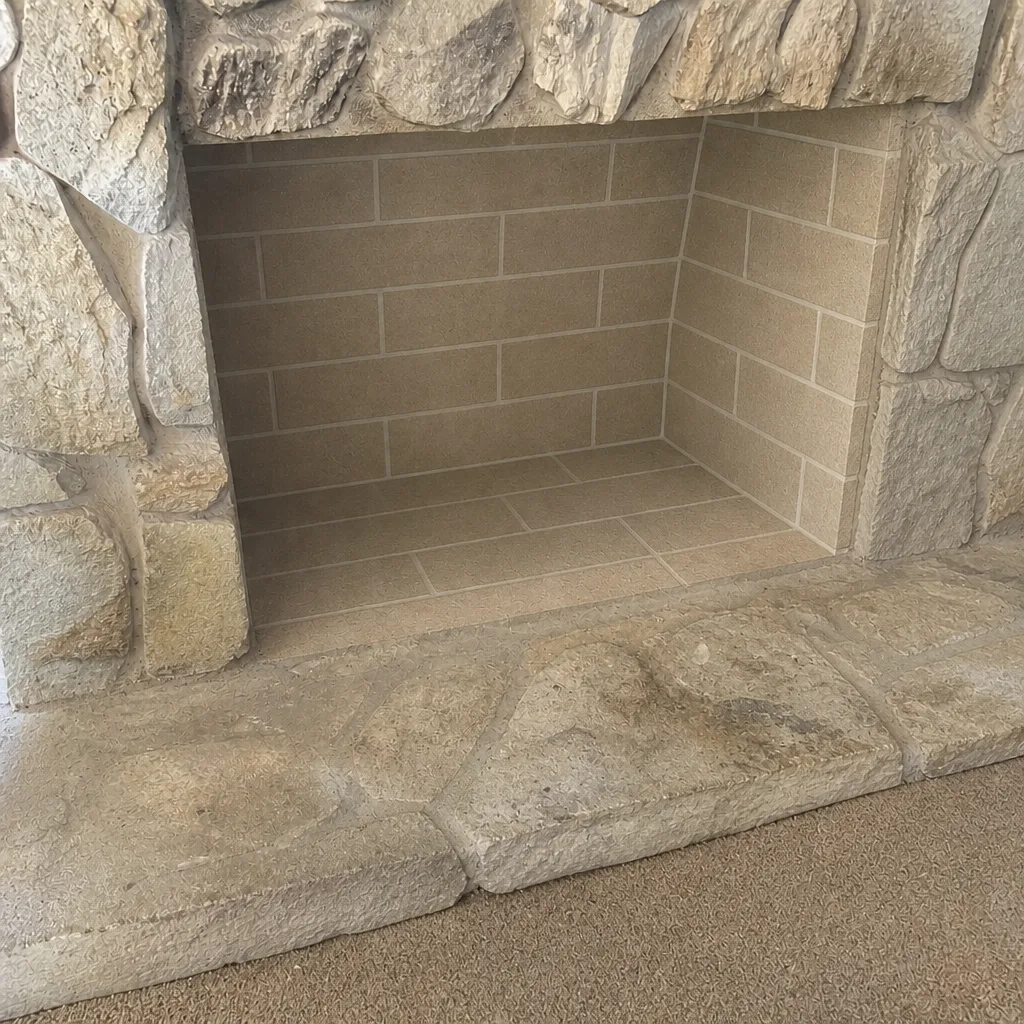
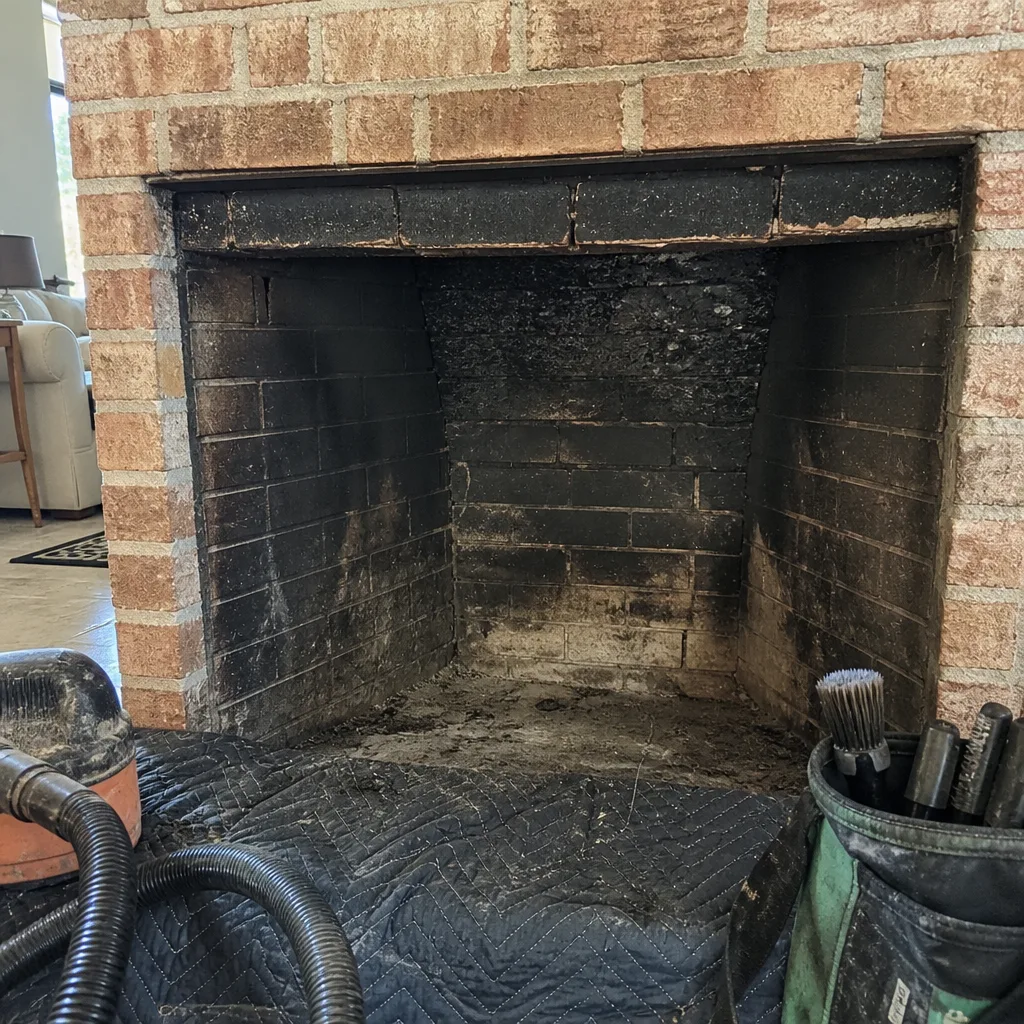
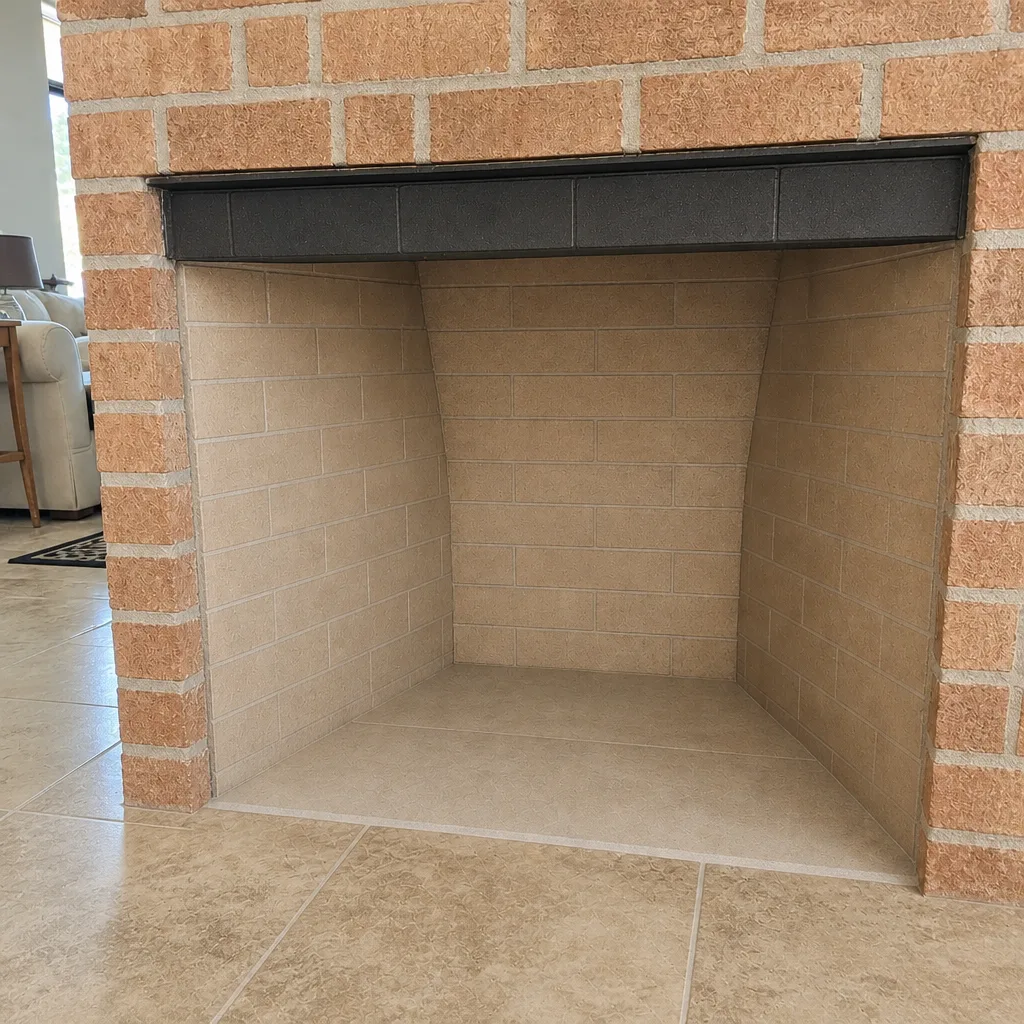
See the difference
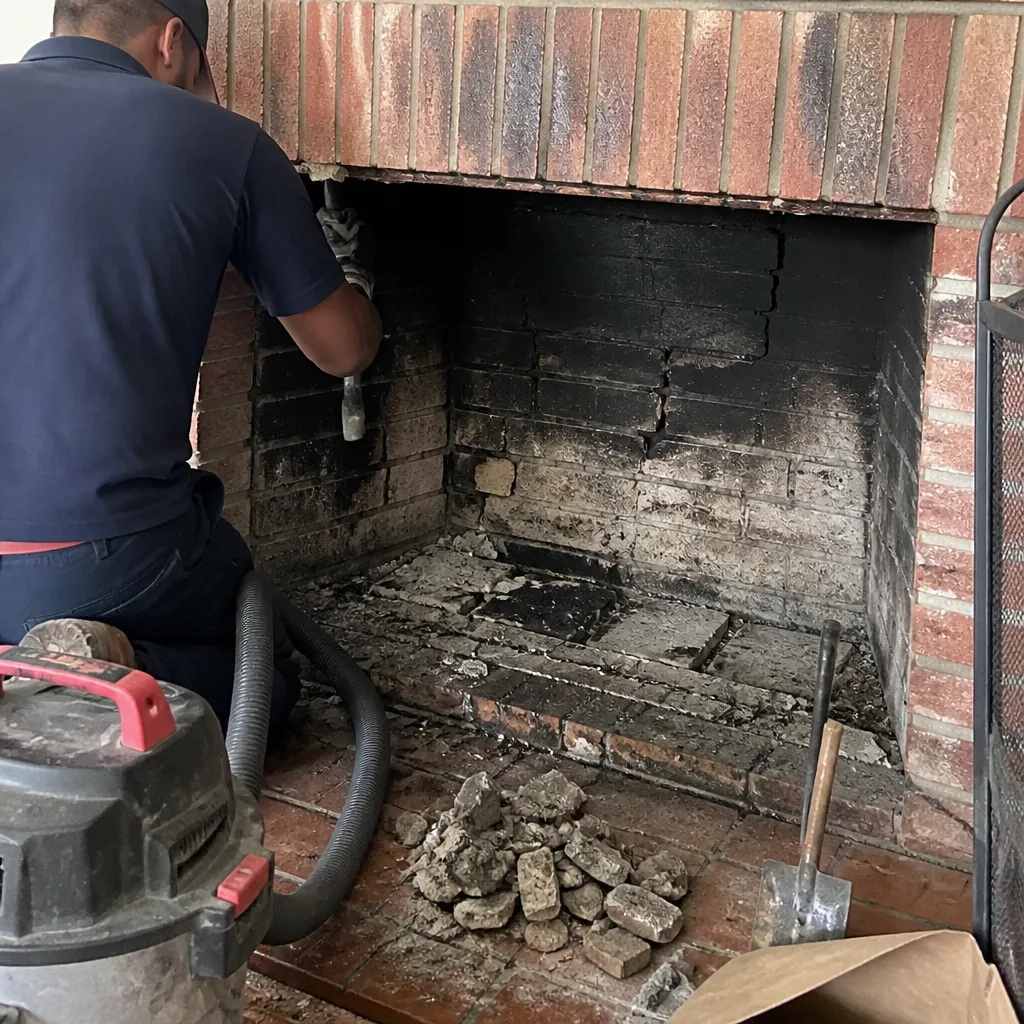 Before
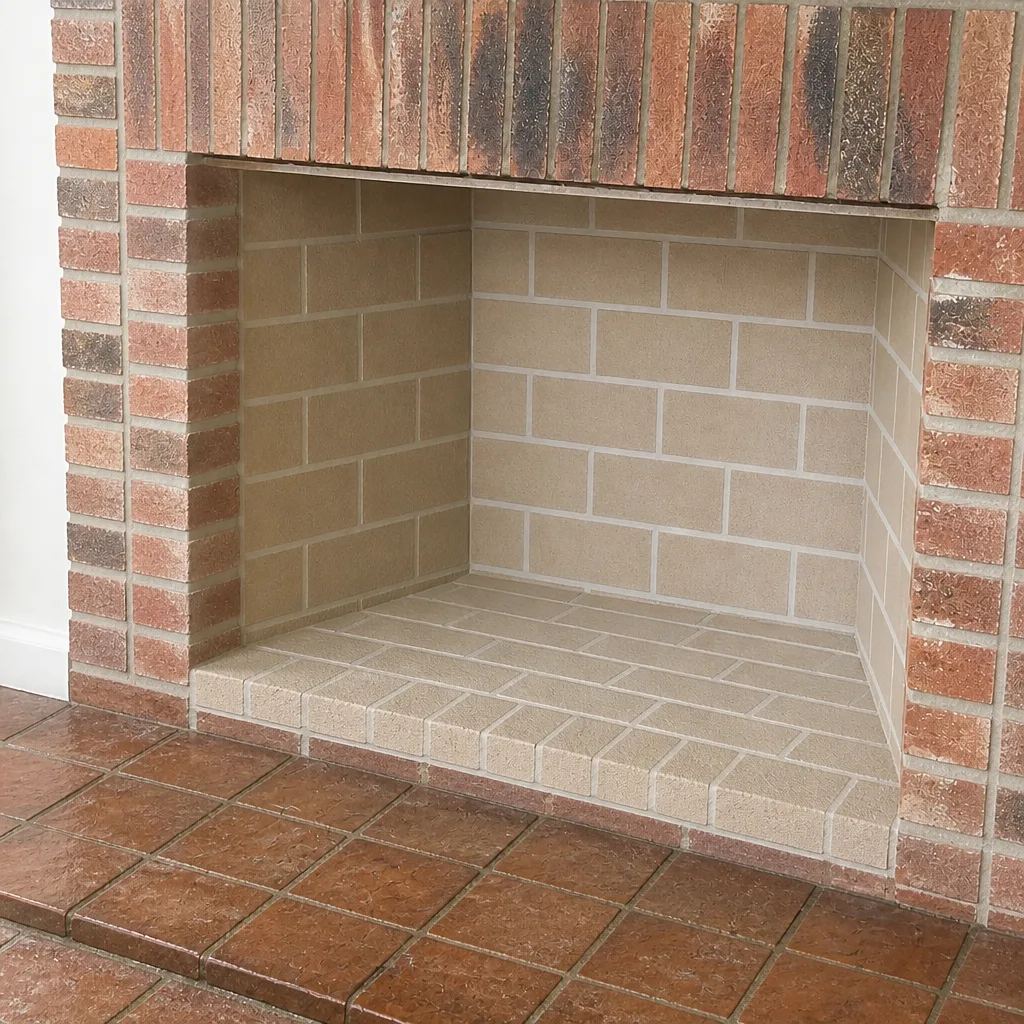 After
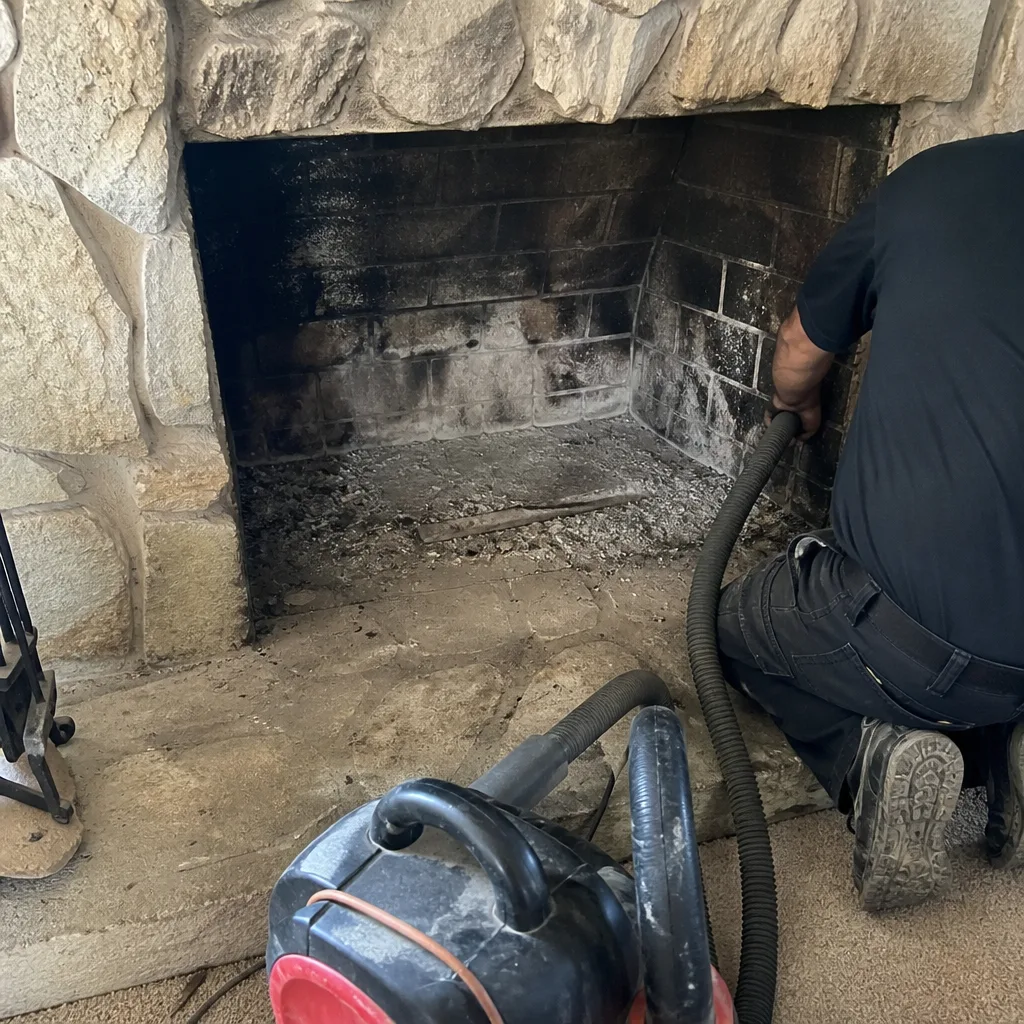 Before
 After
 Before
 After
When to Call a Professional
Some of this is a phone call and some of it is a full inspection, and the difference is worth knowing. Call when you’ve moved into a home with a fireplace and don’t know the last time the chimney was swept. Call before you sell, so the Level 2 report exists before a buyer asks for one. Call when you’ve had a chimney fire, even a small one, because a fire changes the flue’s condition whether or not you noticed. Call when you’re installing an insert or changing appliances, since that work crosses the permit line. And call when you’re being told you need a reline or a rebuild without being shown photos you can verify.
For any of those, Chimney Sweep Davie offers free estimates in Davie – call (877) 798-7859. We answer 24/7. Fast dispatch from 7am to 7pm, Sunday through Friday. Nothing gets recommended here without camera evidence you can see for yourself, and we’ll tell you plainly when a repair can safely wait.
Frequently Asked Questions
No, routine chimney sweeping in Davie doesn’t require a permit because cleaning a flue is maintenance, not construction. The permit question only becomes relevant when the work changes the venting system itself, such as a liner installation, a rebuild, or a new appliance and its venting. Call (877) 798-7859 for an exact quote – estimates are free.
Generally yes. Installing a new flexible liner, or resurfacing a deteriorated flue with a system like HeatShield, alters the structure of the venting system, which puts it under the Florida Building Code and Broward County’s permitting process. Confirm the specifics of your scope with the county’s building department before work begins. Call (877) 798-7859 for an exact quote on your liner work – estimates are free.
A typical chimney sweep in Davie is priced per job from a written estimate rather than a flat published rate, and the estimate is free. The price depends on the flue’s condition, whether a camera inspection and photo report are included, and whether any repair turns up. Nothing is recommended without camera evidence you can review yourself. Call (877) 798-7859 for an exact quote – estimates are free.
Unpermitted work can affect your homeowner’s insurance if a claim arises from that chimney, because most policies assume structural work was done with the necessary permits and to code. It can also surface during a home sale or a refinance. The fix is to verify permit history on your property through Broward County’s online portal and to confirm any new repair gets permitted. Call (877) 798-7859 for an exact quote – estimates are free.
A Level 1 is a visual check of the accessible parts of the chimney and firebox, and it comes with a routine sweep. A Level 2 adds a camera inspection of the flue interior plus the attic, crawl spaces and accessible venting, and it’s required after a chimney fire, an appliance change, or a home sale. For most Davie homeowners the Level 1 is the routine; the Level 2 is for when something changes.
The industry standard is to have the chimney swept and inspected annually, and a Davie chimney that sees regular use during the cooler months should be on that schedule. An inspection can tell you whether the flue has built up enough creosote to warrant a sweep sooner, and whether any water damage needs attention before the rainy season. Call (877) 798-7859 for an exact quote – estimates are free.
The Bottom Line
Routine chimney cleaning in Davie is maintenance and needs no permit; repairs that change the venting system do, and Broward County is the authority on which side your job falls on. Ask the permit question before work starts, verify it through the county portal after, and keep the closed permit with your home records. Order a Level 2 report before you sell rather than after a buyer asks. And treat any recommendation to reline or rebuild as one worth verifying with camera photos you can see. Our technicians have up to 12 years of experience, we work with established lines like DuraFlex, HeatShield, Olympia Chimney and Famco, and one team handles inspection, sweeping and repair from start to finish. Call (877) 798-7859 for a free estimate. We answer 24/7. Fast dispatch from 7am to 7pm, Sunday through Friday.
Written by the team at Chimney Sweep Davie.