
Last updated November 16, 2026
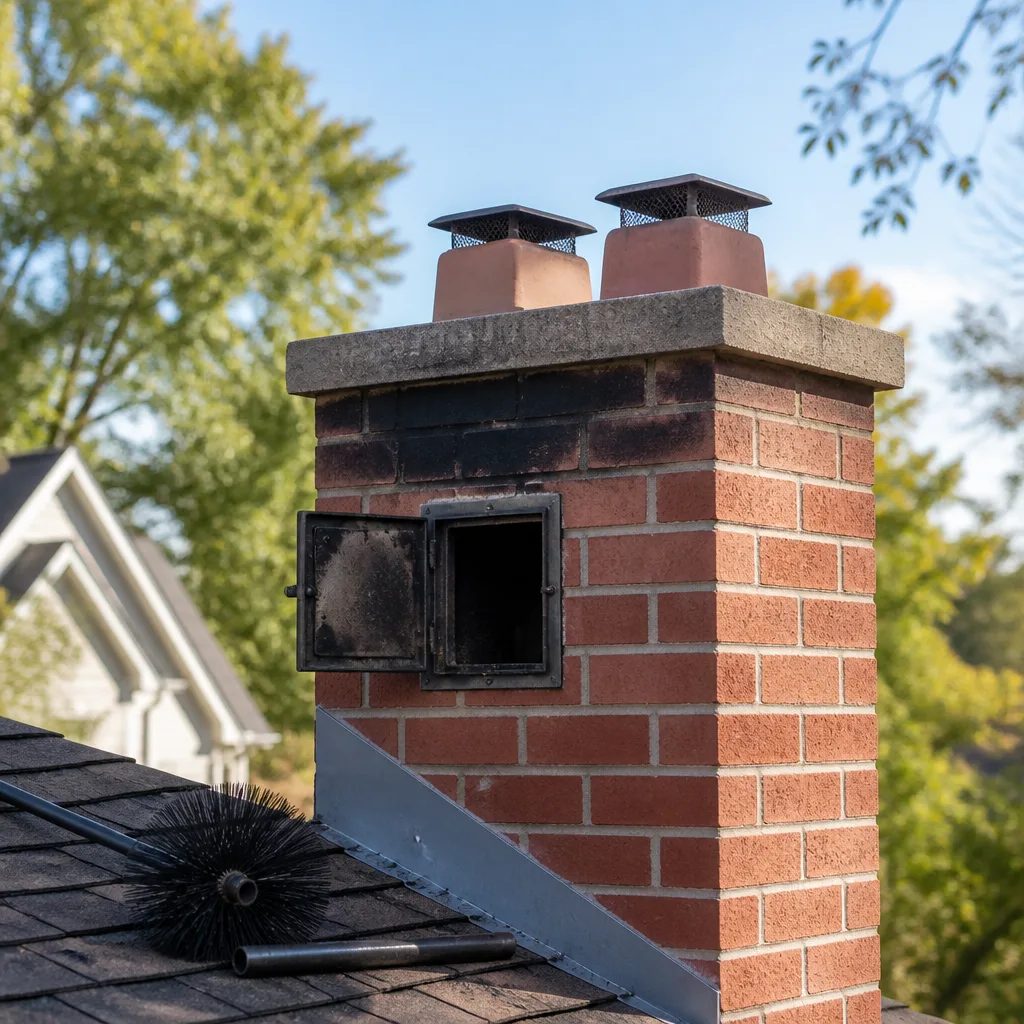 Sweep & inspection
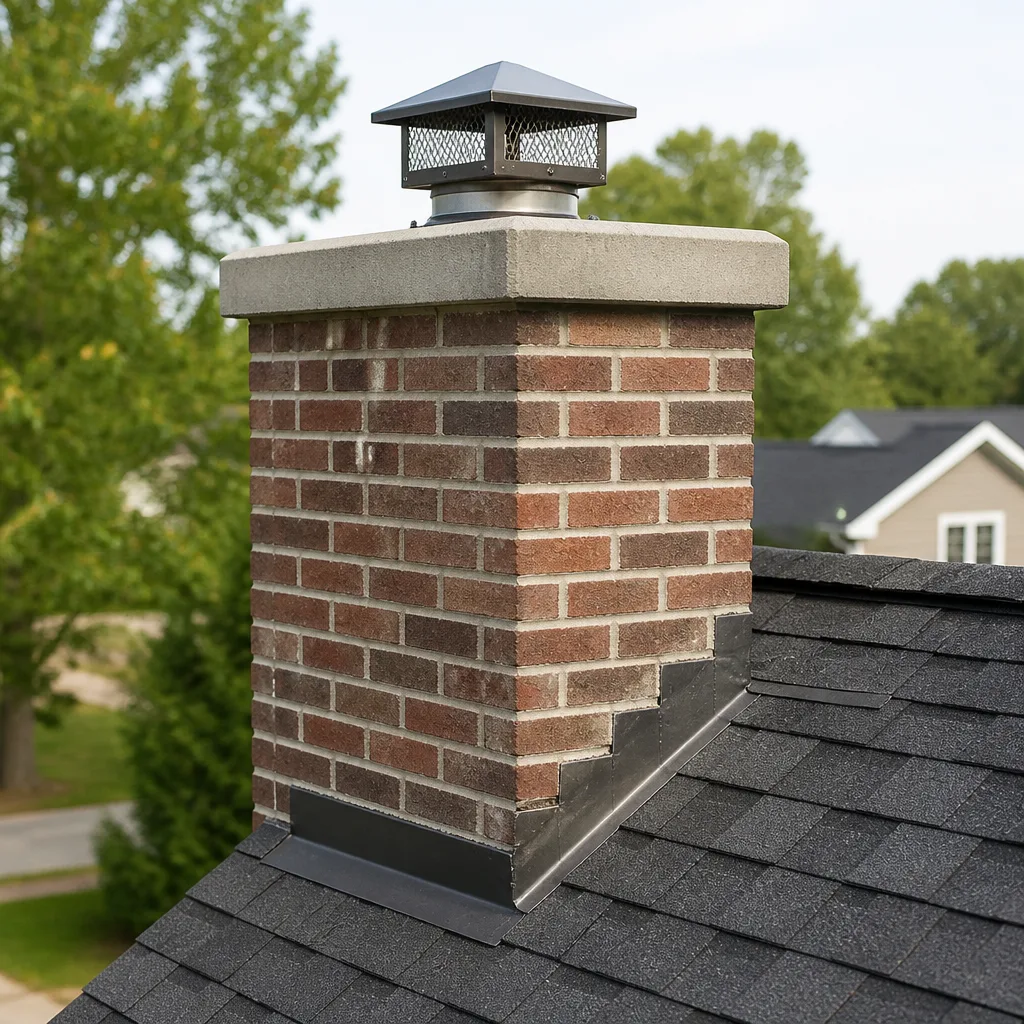 Caps & crowns
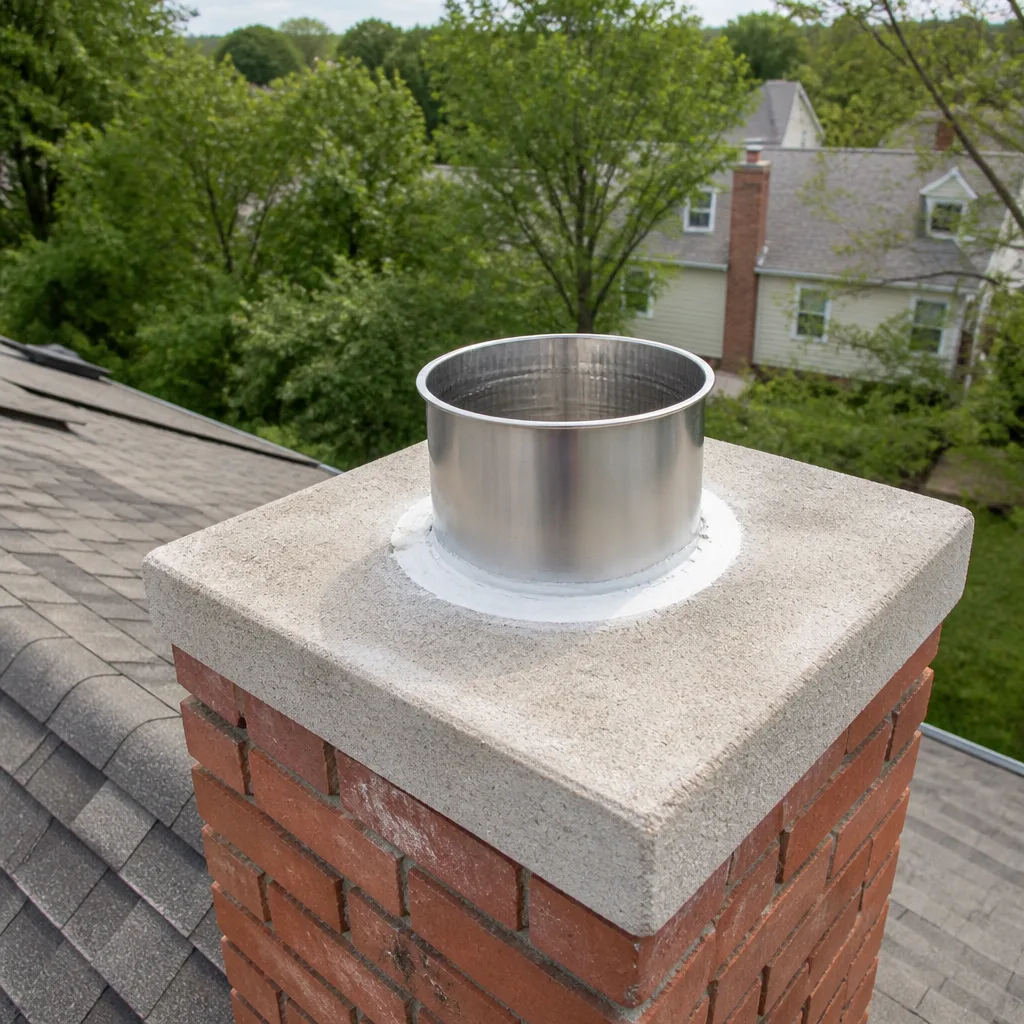 Flue relining
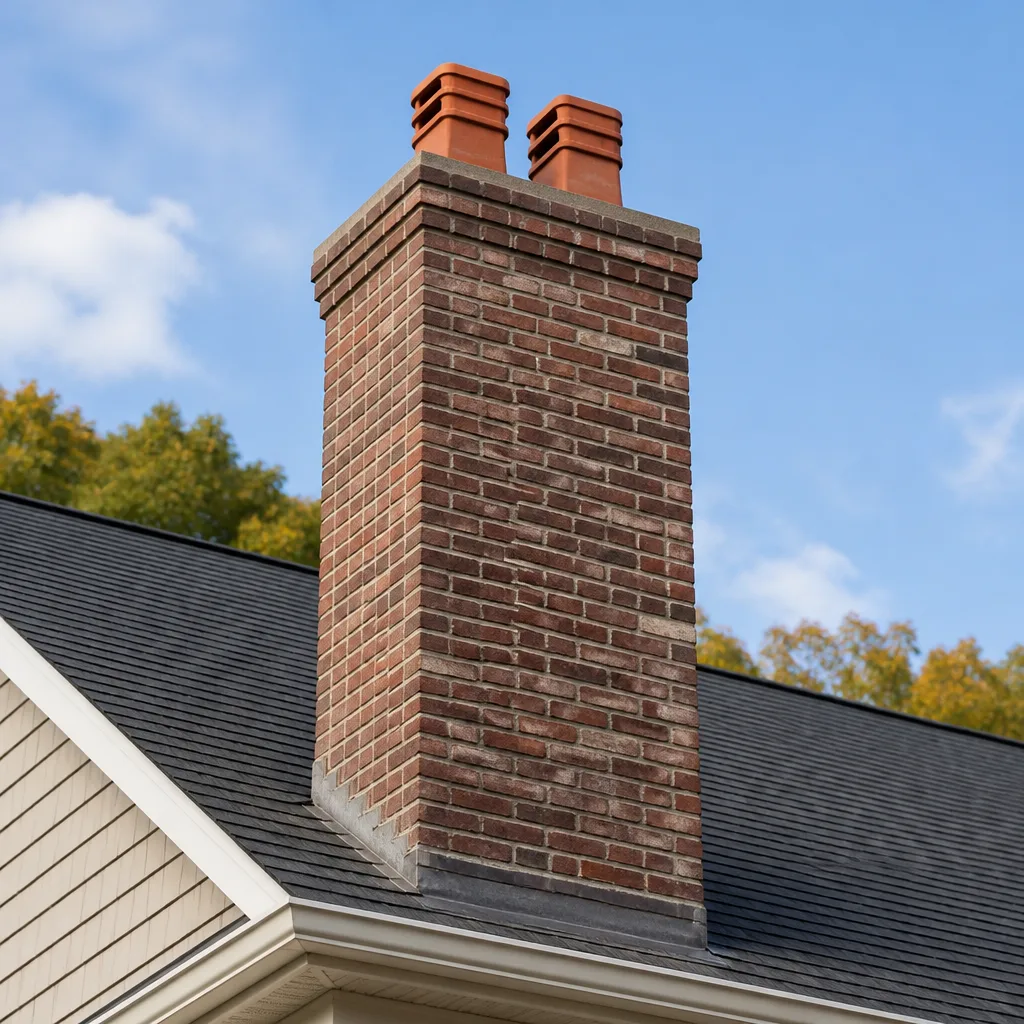 Masonry repair
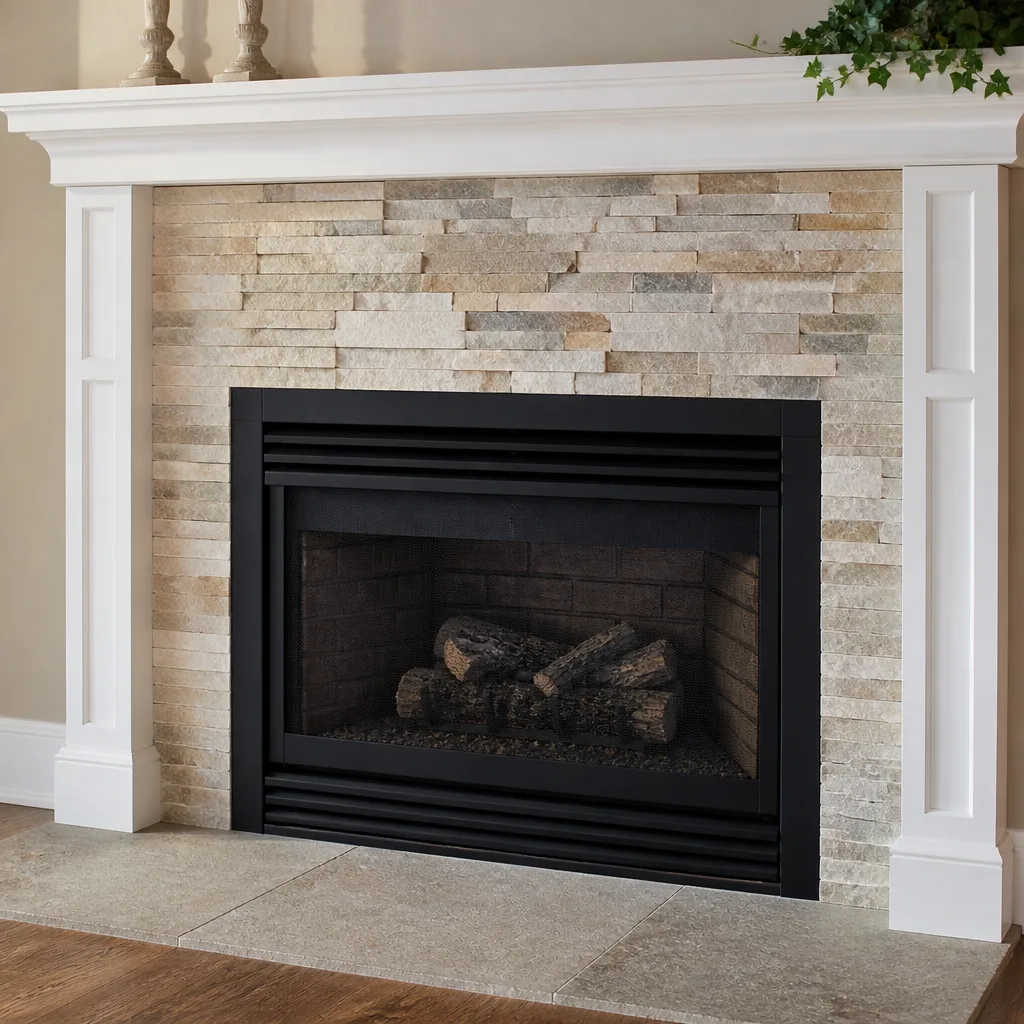 Gas fireplace service
Level 1 sweep and inspection to the NFPA 211 annual standard - flue, crown, cap, and flashing checked and photographed
Chimney sweep logs do not sweep chimneys. They loosen some creosote - which then falls where a brush and vacuum still have to collect it.
Chimney Cleaning Cost Breakdown: The Davie Homeowner’s Reference for 2026
A $79 chimney sweep and a $299 chimney sweep are rarely the same service with two different price tags. In our experience across Davie, they’re usually two different jobs entirely: a quick visual pass with a hand brush versus a full mechanical cleaning with a camera inspection, vacuum containment, and a written report on what the flue actually looks like inside. That distinction matters most when your liner has hairline cracks you can’t see from the firebox. This guide breaks down exactly what drives each line item in a Davie chimney cleaning quote, what the legitimate add-ons cost, what a poorly written estimate hides, and how to compare proposals on equal terms instead of defaulting to the lowest number on the page.
Quick Answer
Chimney cleaning in Davie typically runs $175 to $350 for a standard single-flue sweep with a Level 1 inspection, while a full-scope visit that includes camera inspection, cap evaluation, and damper check usually lands between $325 and $550. The spread isn’t arbitrary pricing. It reflects brush type, vacuum method, number of flue sections, access difficulty, and whether the technician is diagnosing the system or just running a brush through it. Every estimate we write is per job, in writing, before any work begins.
Styles & brands we work with
- Sweep & inspection
- Caps & crowns
- Flue relining
- Masonry repair
- Gas fireplace service
Table of Contents
- What actually drives the cost of a chimney cleaning in Davie
- What a base sweep price includes (and what it doesn’t)
- Legitimate add-ons that raise your quote
- How to read a chimney quote line by line
- When a higher upfront cost is actually cheaper
- South Florida homes and the access problems they create
- Inspection vs. sweep vs. repair: the three-service rule
- Common mistakes to avoid
What actually drives the cost of a chimney cleaning in Davie?
Four things move a chimney cleaning price more than anything else: flue condition, number of flue sections, roof access, and whether the technician can safely reach the crown. A simple straight flue over a single-story home with a shingle roof is the cheapest scenario. A masonry chimney with a tile roof, a steep pitch, and two flue tiles serving a fireplace and a furnace is not, and the price difference between those two jobs is real labor, not markup.
The condition of the flue matters more than homeowners expect. Light, dry, powdery creosote brushes out easily. Glazed, tar-like creosote from burning unseasoned wood or from a fireplace run at low, smoldering temperatures can take three times as long to remove, and sometimes requires a chemical treatment staged over more than one visit. That’s a legitimate cost increase, and a good technician should show you the stage of creosote before quoting the removal.
Access is the second big driver. In Davie, tile roofs are common on older neighborhoods, and walking a tile roof safely means either a specialized roof mat system or working from a ladder with extended poles. Both take longer than a straightforward shingle setup. Multi-story homes add ladder and reach complexity. If your chimney has a cap with a tight spark screen or a top-sealing damper, removing and reinstalling those components counts as labor.
The third driver is what happens inside the house. A well-contained vacuum system keeps soot from migrating into your living room. That equipment costs more to run than a shop vac and a drop cloth, and it’s the difference between a clean room and a dusty mess. We treat it as standard, not an upgrade.
Finally, the scope of the diagnostic step matters. A bare sweep without inspection tells you the flue is cleaner. It doesn’t tell you whether the liner is intact, whether the damper seals, or whether the crown is shedding water into the masonry. Every job we quote in Davie includes the diagnostic step because a cleaning without inspection is only half a visit.
- Flue condition: light creosote vs. glazed third-degree creosote
- Number of flue sections: one fireplace flue vs. fireplace plus furnace flue
- Roof type and pitch: shingle vs. tile, walkable vs. ladder-only
- Height and building type: single story, two story, addition roofs
- Cap and damper type: standard cap vs. top-sealing damper assembly
- Containment equipment: HEPA vacuum vs. open-brush method
- Inspection level: Level 1 visual vs. Level 2 camera inspection
What does a base sweep price actually include?
A base sweep should include four distinct tasks, and any quote that leaves one out is a different service than the one you thought you were buying. The first is a mechanical brush of the flue, matched to the liner type. Masonry clay tiles take a poly brush. Stainless flexible liners, like the DuraFlex systems we work with, need a softer brush that won’t score the metal. A generalist with a single brush set will often use whatever fits, which is how liners get scratched.
The second task is vacuum containment at the firebox. A truck-mounted or high-CFM HEPA vacuum running during the entire brush pass is the standard. If a quote doesn’t mention vacuum equipment, ask what they’re using, because a drop cloth and a shop vac is not the same category of cleaning.
The third is the firebox and smoke chamber wipe-down. Creosote builds on the firebox walls and the smoke shelf above the damper, and it needs to come off during the same visit. A brush that only goes up the flue leaves the most flammable surface untouched.
The fourth is a visual inspection of accessible components: damper operation, firebox condition, cap and screen, and the exterior crown. This is a Level 1 inspection in industry terms, and it’s what turns a brush-out into a diagnostic visit.
What a base price typically does not include: camera inspection of the flue interior, removal of a top-sealing damper for access, creosote chemical treatment, cap replacement, crown repair, or any relining work. Those are separate line items, and a quote that lumps them into a vague flat rate is either overcharging you for work you don’t need or undercharging and planning to add charges later. Our chimney sweep service is written up line by line so you can see the scope before you agree to it.
- Mechanical brush matched to the liner material
- High-CFM vacuum contained at the firebox throughout the sweep
- Firebox, smoke shelf, and damper area cleaned
- Level 1 visual inspection of accessible chimney components
- Written findings and photo documentation where relevant
Which add-ons legitimately raise a chimney quote?
Add-ons are where poorly written estimates get vague and where honest ones get detailed. Here’s what the common additional services typically add in the Davie market, and why each one is a real scope increase rather than an upsell. These are estimated ranges, and the written estimate you receive is what sets the final price.
- Camera inspection (Level 2): typically $75 to $175 on top of a sweep. A camera goes up the flue and shows the condition of the liner joints, the smoke chamber, and any offsets. This is the only way to see hairline cracks in clay tile that no brush or eyeball will find.
- Cap replacement: typically $150 to $450 installed, depending on whether it’s a simple single-flue cap or a multi-flue custom cap. Caps keep rain, birds, and debris out, and a missing or rusted cap is one of the most common findings during a Davie inspection. We work with Famco and Copperfield components for this kind of fit.
- Crown sealing or crown repair: typically $250 to $700. The crown is the concrete cap at the top of a masonry chimney, and when it cracks, water gets into the masonry and eventually into the house. Sealing a hairline crack is on the low end. Rebuilding a failed crown is on the high end.
- Damper repair or replacement: typically $200 to $550. A damper that won’t close lets conditioned air escape up the flue year-round and can let smoke back into the room. Top-sealing dampers, which sit at the top of the flue and seal tightly, cost more than a throat damper because the installation is more involved.
- Creosote chemical treatment: typically $100 to $300 per stage when glazed creosote is present. Glazed creosote can’t be brushed off in a single pass, and treating it properly often takes more than one visit.
All of those numbers are estimates based on what we see across Davie homes, and they can move with roof access, chimney height, and the type of masonry. What shouldn’t move is the structure of the quote. Every add-on should be a named line item with a price beside it, not a mystery charge added after the fact.
How do you read a chimney quote line by line?
A detailed estimate has a scope list, a price per line item, a note about what isn’t included, and a clear statement of what triggers an additional charge. A vague flat-rate has one number, no breakdown, and no written scope. The second kind is where surprise charges come from, and it’s the kind most often quoted over the phone by companies that haven’t seen your chimney.
Here’s how to read an itemized estimate in order. Start with the sweep line: does it list brush type and vacuum method, and does it state how many flues are included? Move to the inspection line: is it Level 1 visual, or Level 2 with camera, and is there a photo report? Check the add-ons: are cap, crown, damper, and liner work each priced separately, or lumped into one “repairs” figure? Look for the exclusions: what does the technician say would trigger a change in price, such as discovering glazed creosote or a cracked crown once they’re on the roof? And look for what’s optional versus recommended versus required.
That last distinction is where skepticism is warranted, and it’s where we spend the most time with homeowners. Nothing gets recommended without evidence you can see for yourself: a camera photo of the crack, a picture of the failed crown, a close-up of the rusted cap. If a technician tells you that you need a full reline and can’t show you why, that’s a quote you should set aside and get a second opinion on.
We also tell people plainly when work can safely wait. A slightly worn cap that still fits is a cap you can watch. A small hairline crack in the crown that isn’t admitting water into the masonry is a crack that can be sealed on your schedule. The urgent items are the ones with actual fire or carbon monoxide implications: a failed liner with cracked flue tiles, a blocked flue, a chimney with heavy glazed creosote. Everything else is plan-and-budget work.
If you’re comparing two quotes on the same chimney, put them side by side and ask both companies the same questions: how many flues, what vacuum, what inspection level, what’s excluded, and what would change the price. A quote that answers those clearly is comparable to another quote that does. A one-line flat rate isn’t.
When is a higher upfront cost actually cheaper?
A full-scope visit at $450 is often cheaper than a $79 sweep that returns two weeks later with a $600 liner repair because nobody looked the first time. The math is straightforward once you stop treating the first invoice as the only number that matters. A cheap sweep that skips the camera inspection, skips the crown check, and skips the damper test is not cheap. It’s a deposit on a second, larger visit.
The hidden cost of the low-cost sweep shows up in three places. First, deferred diagnosis: a cracked flue tile doesn’t get found until it fails, and by then the repair is structural rather than preventive. Second, repeat visits: a sweep that only handles the flue and leaves the smoke chamber and firebox loaded with creosote brings you back for a second cleaning. Third, the assumption problem: if a company quotes $79 for a “full chimney cleaning” and you later find out the price was for a single flue without inspection, you’ve paid for half a service and now need the other half.
A full-scope visit in Davie typically includes camera inspection, a photo report, and a written recommendation for anything found. That’s the visit where you learn whether your liner is actually sound, whether your cap is doing its job, and whether your damper is costing you money every month in lost conditioned air. You leave with a documented condition of the chimney rather than a receipt that says “swept.”
The other side of that math is the repair options that become available once a specialist is diagnosing. Cracks or spalling in a clay flue liner don’t always mean a full reline. HeatShield resurfacing can restore a deteriorated liner in some cases without tearing it out, and DuraFlex flexible liners are the standard choice when a full reline really is required. A sweep-only company can’t offer either, which is why their diagnosis tends to stop at “you need a new chimney.” We work with those systems directly so repairs are matched to the actual flue condition, not to whatever the crew happens to carry.
- Low-cost sweep: brush only, no camera, no photo report, likely a return visit for the parts that were skipped
- Full-scope visit: brush, vacuum, firebox, camera inspection, cap and crown check, damper test, written findings
- Why it wins: one visit, one diagnosis, one plan – and no surprise charges two weeks later
What about South Florida homes specifically?
South Florida construction creates access and diagnosis problems that homeowners moving down from other regions don’t expect. Winters here are mild, so the chimney isn’t fighting snow and freeze cycles, but the older masonry stock in parts of Davie was frequently built to code standards from decades ago. Pre-code masonry chimneys in older neighborhoods tend to have thinner flue tiles, no liner at all in some cases, and crowns that have taken years of rain and sun without sealing. All of that shows up during an inspection and changes the scope of the visit.
The roof is the second factor. Tile roofs are common on older homes in the area, and walking a tile roof requires the right mats and the discipline to keep weight off the tiles. Some chimney configurations can be served from a ladder, but many can’t, and a technician who won’t get on the roof can’t inspect the crown or the cap properly. That’s a scope limitation disguised as a price advantage. If a quote is unusually low and the company doesn’t mention roof access, ask how they’ll inspect the exterior portion of the chimney.
Multi-story homes in the area add reach complexity and often require working from a ladder plus a pole extension for the brush. Single-story ranch homes are simpler and cheaper to service. Additions and re-roofs can also leave a chimney with a mismatched height relative to the roofline, which affects draft and complicates brush access. A technician who’s seen a lot of remodeled homes will spot that during the first walk-around.
Finally, humidity. It doesn’t cause chimney damage the way freezing temperatures do, but it does drive the reason caps and crown sealing matter here: rain intrusion into an unsealed masonry chimney is the most common path to a cracked crown, spalling brick, and rusted damper components. A cap that fits properly and a crown that sheds water are the two cheapest long-term protections on a Davie chimney. Our chimney repair work starts with those two items more often than anything else.
Inspection, sweep, and repair: why the three-service split matters
Most chimney companies do one or two of the three core services. The industry-standard split is inspection, sweep, and repair, and treating them as separate paid services is actually the honest way to price the work. An inspection without a sweep diagnoses the chimney. A sweep without an inspection cleans it but doesn’t tell you anything. A repair without either is guessing. When one company does all three, the diagnosis carries through to the repair, and nobody hands you off to a second contractor in the middle of the job.
Here’s the practical sequence we follow on a typical Davie chimney visit. First, walk the exterior: cap, crown, flashing, brick condition. Second, open the firebox: damper operation, firebox walls, smoke shelf. Third, inspect the flue: camera for a Level 2, visual for a Level 1. Fourth, sweep with the brush matched to the liner type. Fifth, vacuum containment throughout. Sixth, check the draft. Seventh, write up findings and take photos of anything worth showing you. The report is the deliverable. Everything else is the process.
When the findings point to repair, the options are matched to what the flue actually is. A clay tile liner with localized spalling may be a candidate for HeatShield resurfacing. A liner that’s failed along its length or has shifted joints needs a full reline, and that’s where a flexible stainless system like DuraFlex comes in. Damper and cap issues are typically solved with components from lines like Olympia Chimney or Famco, chosen for the specific chimney rather than for whatever’s in the truck.
The reason this matters for cost is simple: a company that only sweeps has to describe any problem it finds as “you need a professional,” and that referral usually means a second inspection, a second trip, and sometimes a second opinion charge. A company that inspects, sweeps, and repairs prices the whole job in one estimate. That’s the difference between four separate bills and one plan. Our Davie service page lays out how the three services fit together if you want the full picture.
Common Mistakes to Avoid
- Comparing flat rates from companies that haven’t seen the chimney. A phone quote is a guess, and the low guess is the one that gets the job. Ask for a written scope, not just a number.
- Assuming a $79 sweep is a full cleaning. It’s often a single flue with a brush and no inspection. Confirm what’s included before you book, especially if you have more than one flue.
- Letting anyone sweep without a camera inspection when the liner is unknown. Older Davie masonry chimneys sometimes have thin or damaged clay tiles. Brushing a cracked liner without knowing it can dislodge pieces.
- Buying repair work from a technician who can’t show you the problem. Ask for the camera photo or the roof photo. If it can’t be shown, it can’t be verified, and it can wait for a second opinion.
- Ignoring the cap and crown because the flue was clean. A clean flue with a failed crown still lets water into the masonry. These are the two cheapest items to fix and the most expensive to defer.
- Skipping the annual inspection because “it doesn’t get used much.” Low use doesn’t mean the chimney is sound. Creosote, nesting animals, and water intrusion don’t check your fire log.
- Hiring a general handyman for a chimney job. Chimney work needs brushes matched to the liner, cameras for the flue, and the right components for caps and dampers. A generalist can’t get those materials from the trade-only lines.
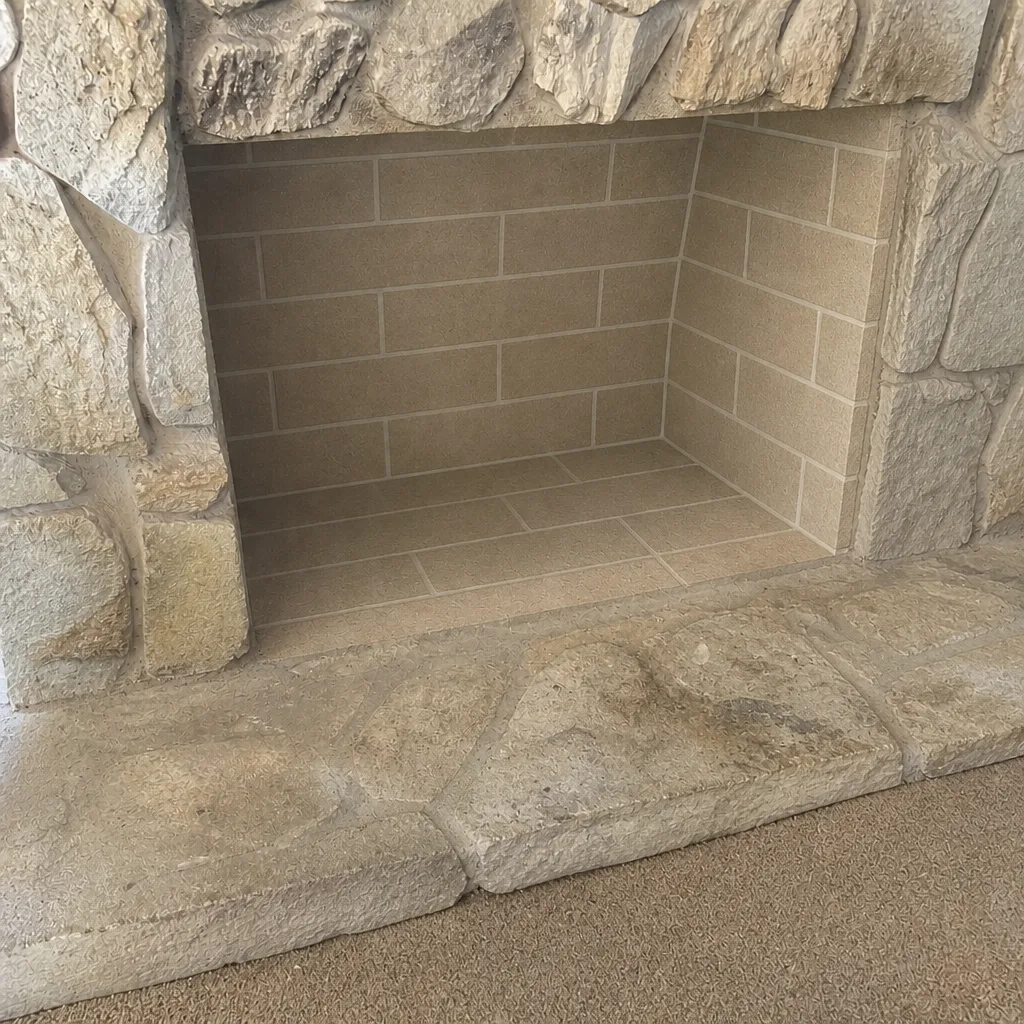
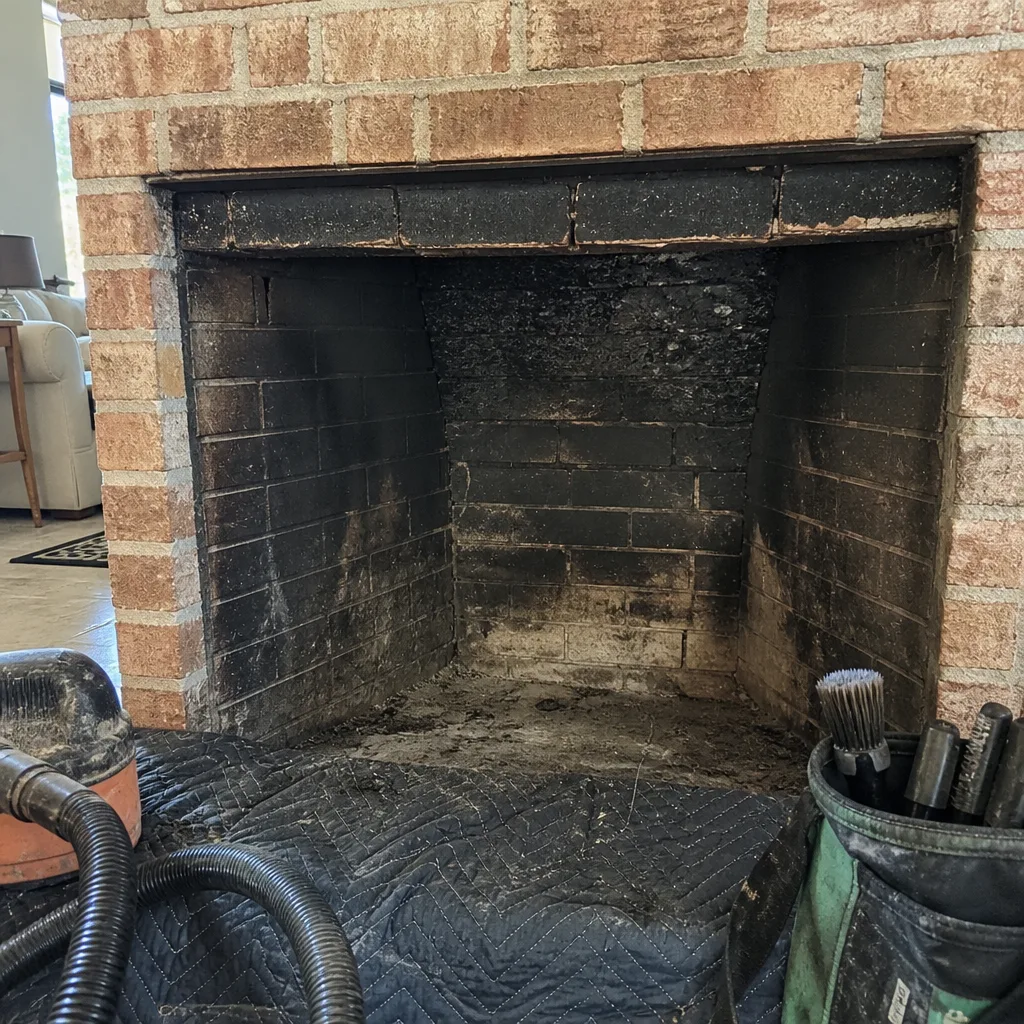
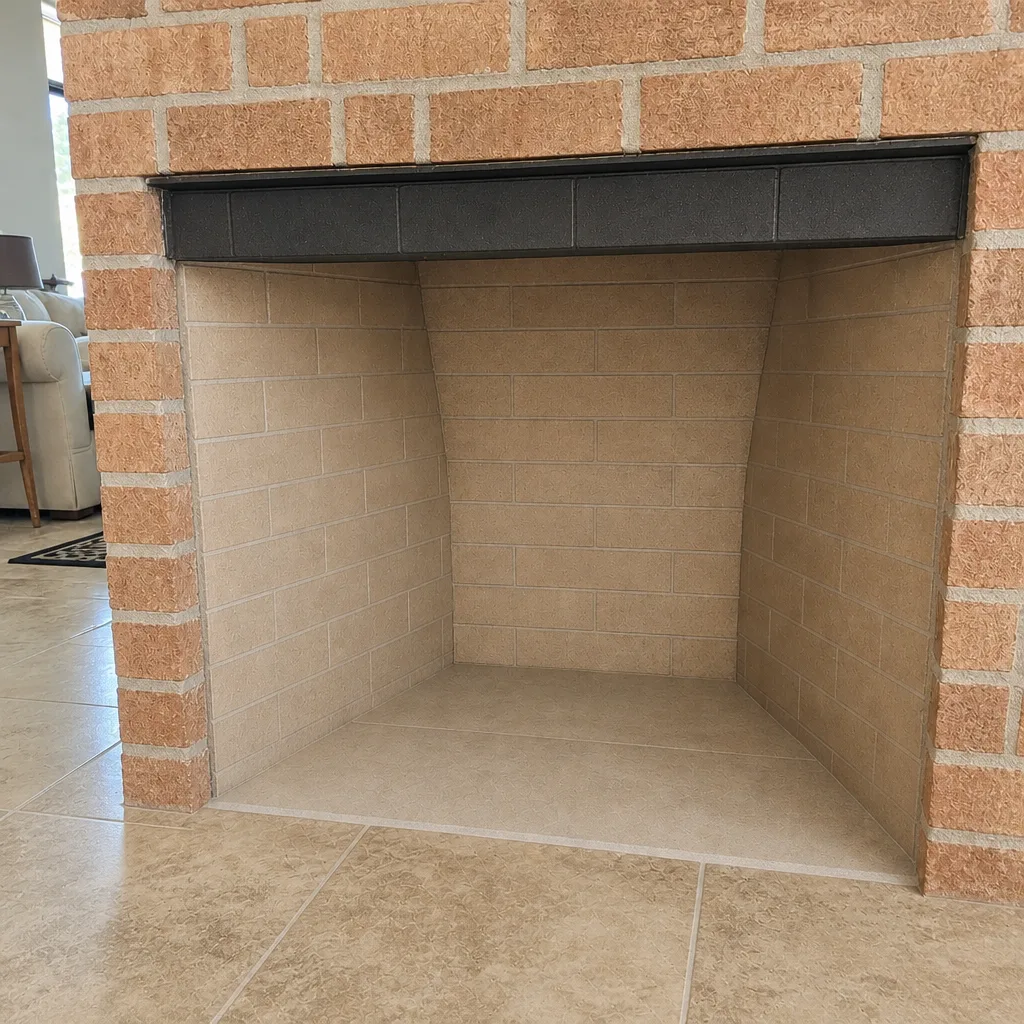
See the difference
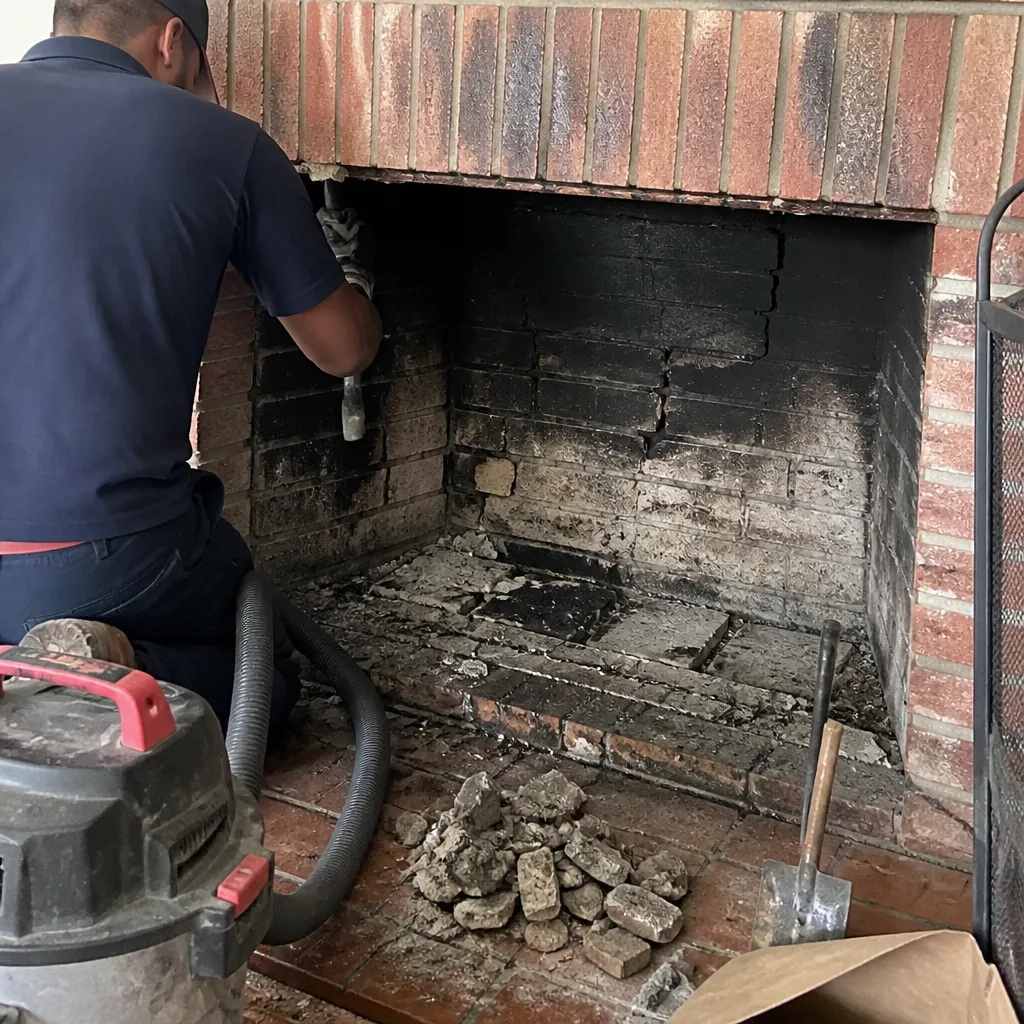 Before
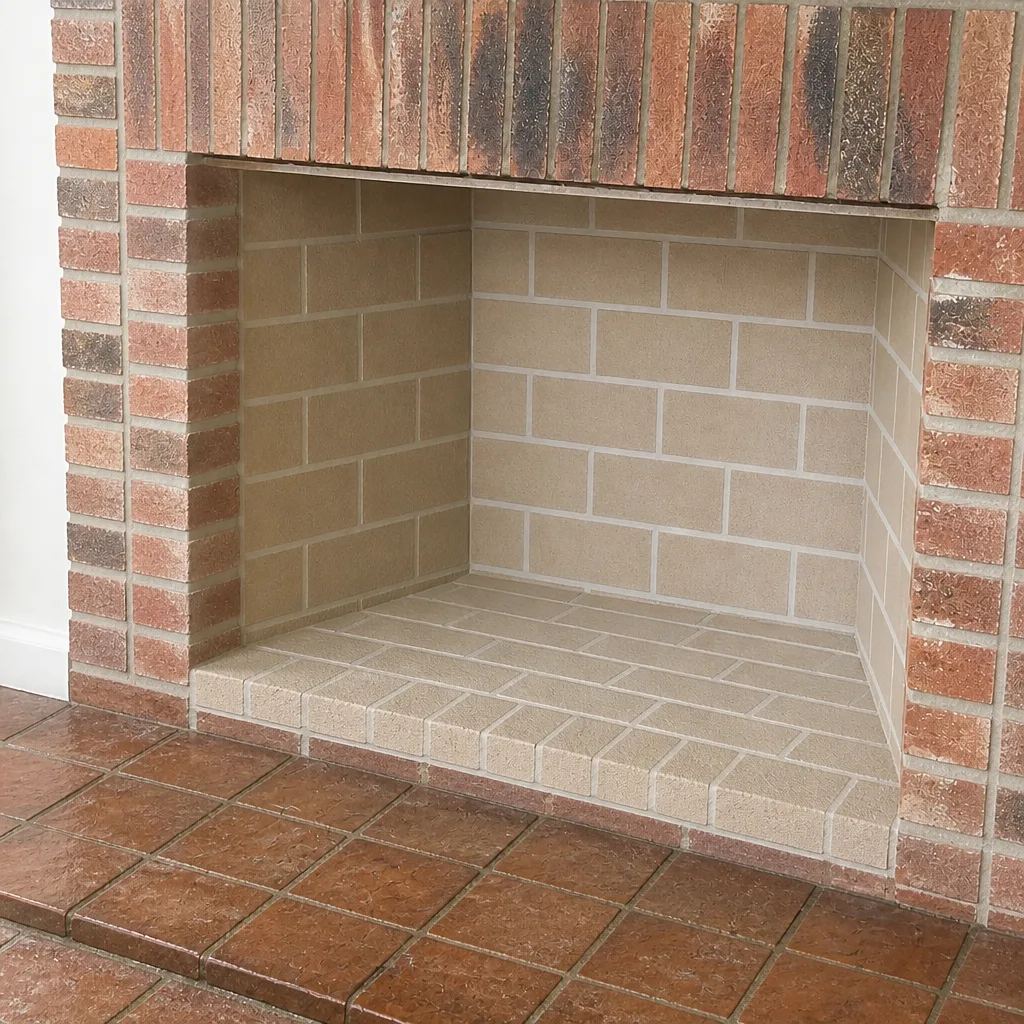 After
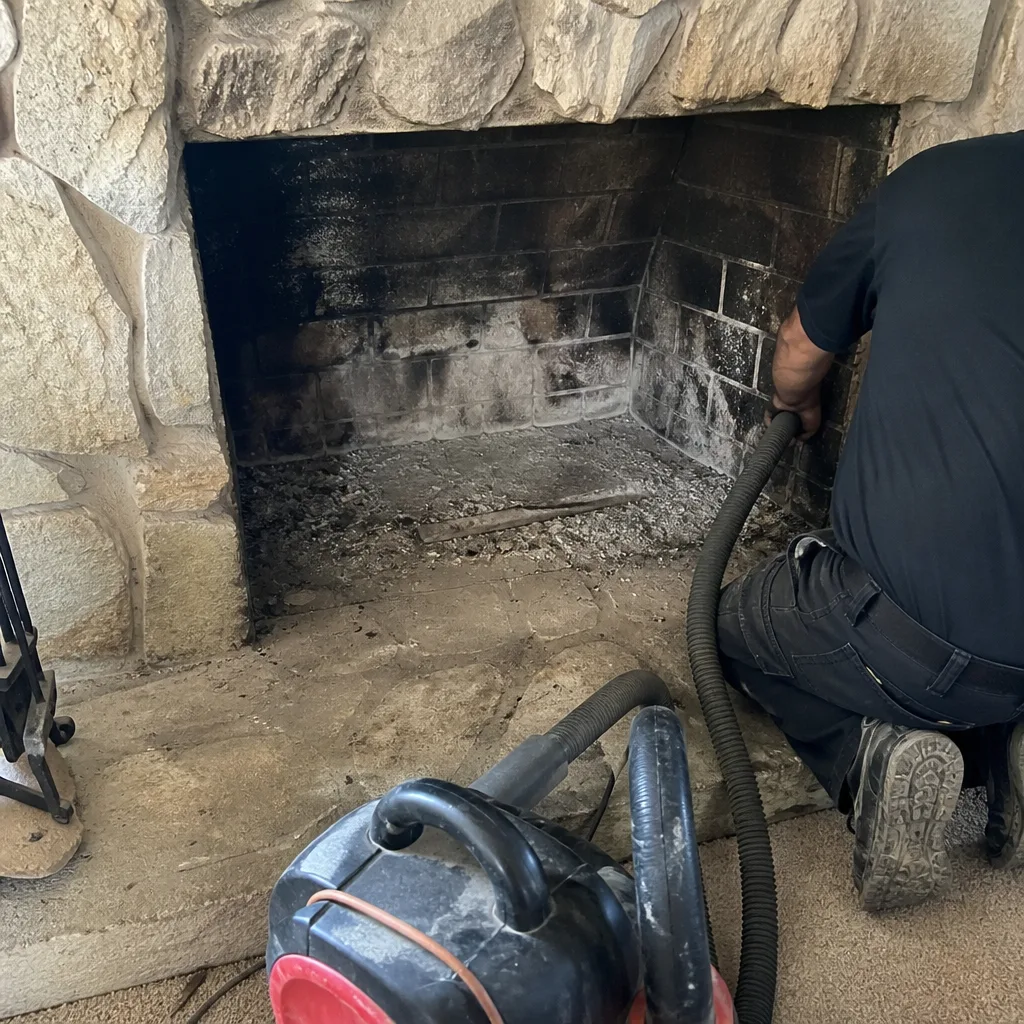 Before
 After
 Before
 After
When to Call a Professional
Call for an inspection when you move into a home with a chimney you didn’t personally maintain, when you’ve had a chimney fire of any size, when smoke backs into the room, when you smell a strong creosote odor in warm weather, or when you see water stains or rust in the firebox. Call for a sweep when your fire has been burning poorly or the flue hasn’t been cleaned in a year of regular use. Call for repair when a technician has shown you a failed crown, a rusted cap, a cracked flue tile, or a damper that won’t close. And call when something about your chimney doesn’t look right and you want a professional eye on it before you light another fire. Chimney Sweep Davie offers free estimates in Davie – call (877) 798-7859. Our technicians have up to 12 years of experience and handle inspection, sweep, and repair as one job.
Frequently Asked Questions
A standard single-flue sweep with a Level 1 visual inspection in Davie typically runs $175 to $350, while a full-scope visit with camera inspection and photo report usually lands between $325 and $550. The final price is set by the written estimate after the technician has seen the chimney, and the estimate itself is free. Call (877) 798-7859 for an exact quote – estimates are free.
Only if the liner is actually failed, which is why the camera inspection comes first. A cracked or spalling clay tile flue can often be restored with HeatShield resurfacing rather than fully replaced, and a liner that’s damaged along its length calls for a flexible stainless reline using a DuraFlex system. You should never buy a reline without seeing the evidence yourself. Call (877) 798-7859 for an exact quote – estimates are free.
Once a year is the standard for a wood-burning fireplace that gets regular use, and once a year regardless if you burn occasionally, because the inspection matters as much as the sweep. A gas insert or gas appliance still needs annual checking for venting and carbon monoxide safety. Low use doesn’t reset the clock. Call (877) 798-7859 for an exact quote – estimates are free.
Creosote accumulates in the flue with every fire, and at a certain thickness it can ignite, which is a chimney fire. A blocked or restricted flue can also push carbon monoxide back into the living space instead of up and out. Neither is a hypothetical; both are why the annual sweep exists. Call (877) 798-7859 for an exact quote – estimates are free.
Because they’re almost always describing different scopes: one flue versus two, visual inspection versus camera, standalone sweep versus full-scope visit with a photo report. Compare the line items, not the totals, and ask both companies the same questions about scope and exclusions. A $79 sweep and a $450 full-scope visit are two different products. Call (877) 798-7859 for an exact quote – estimates are free.
Usually yes. A hairline crack or a crown that’s only partially failed can be sealed or repaired without rebuilding the chimney, which is one of the cheaper fixes on the list. A crown that’s failed structurally or has separated from the flue tile needs to be rebuilt, and that’s priced higher because it’s a masonry job. Call (877) 798-7859 for an exact quote – estimates are free.
The Bottom Line
Chimney cleaning prices in Davie differ mainly because the scope of work differs, and the way to compare quotes is line by line, not number to number. A fair quote names the flue count, the brush type, the vacuum method, the inspection level, and every add-on with a price beside it – and it tells you what’s optional, what’s recommended, and what would change the scope. The cheapest sweep is rarely the cheapest outcome once the second visit is accounted for. When the diagnosis, the cleaning, and the repair come from the same team, you get one plan and one set of evidence. Start with the Chimney Sweep Davie page if you want to see what a full-scope visit looks like.
Contact
If you’d like a written estimate for a chimney cleaning, inspection, or repair in Davie, call (877) 798-7859 for a free estimate. We answer 24/7. Fast dispatch from 7am to 7pm, Sunday through Friday. We’ll walk the chimney, show you what we find, and give you a line-by-line quote before any work starts – and we’ll tell you plainly if the job can safely wait.
Written by the team at Chimney Sweep Davie.