
Last updated November 16, 2026
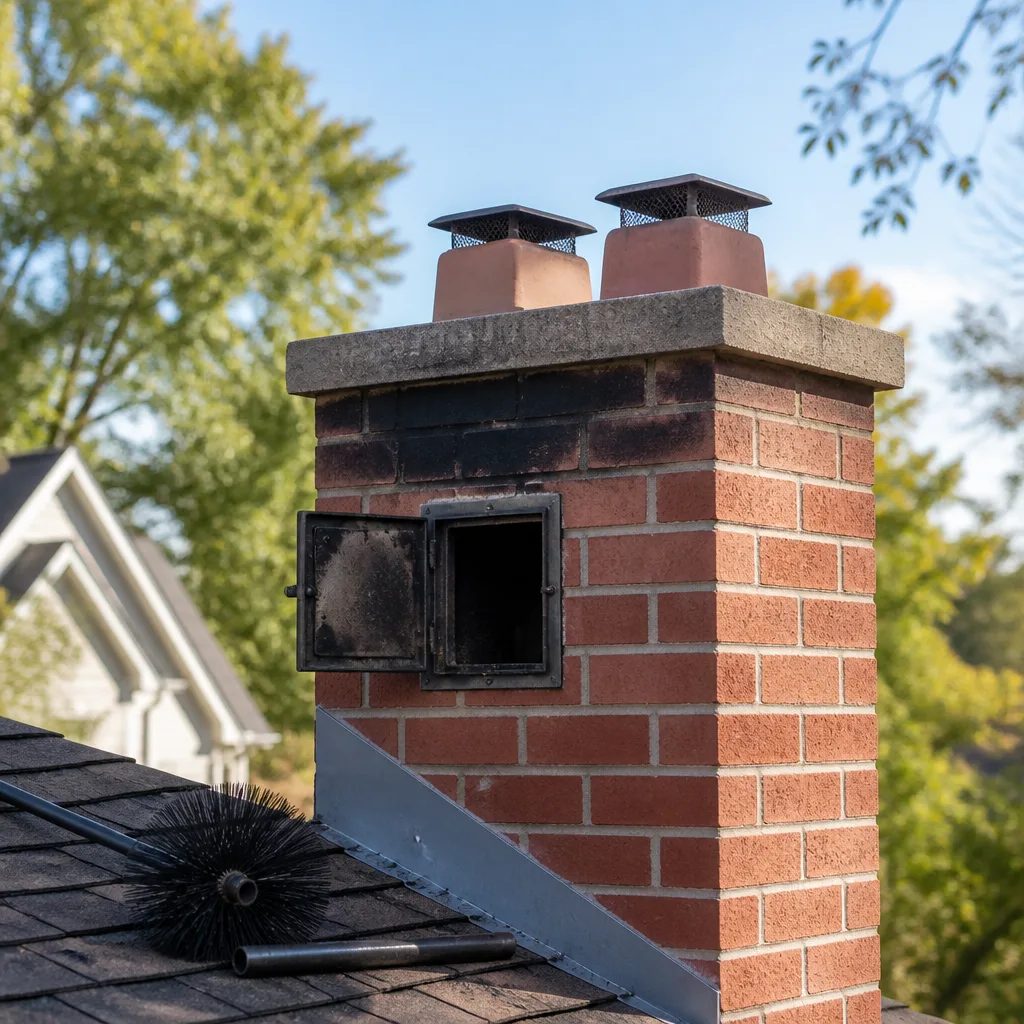 Sweep & inspection
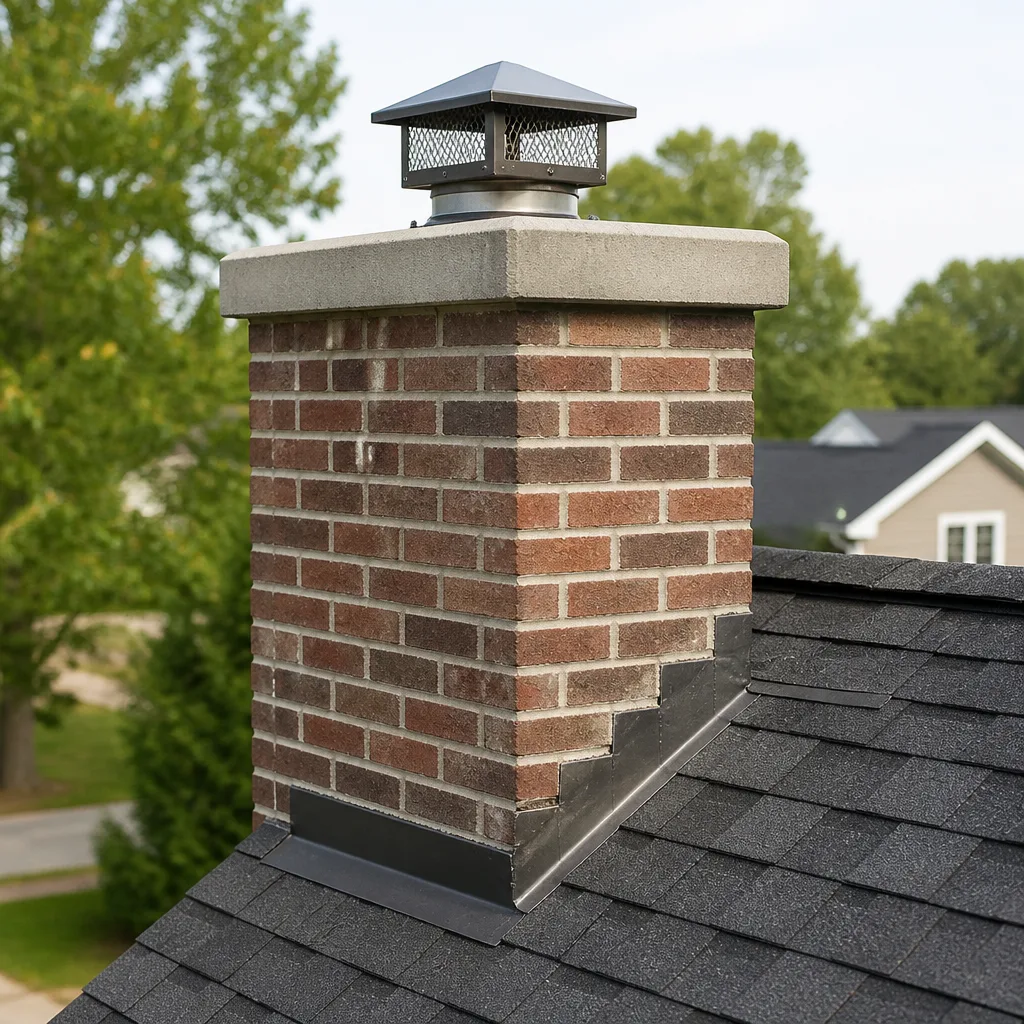 Caps & crowns
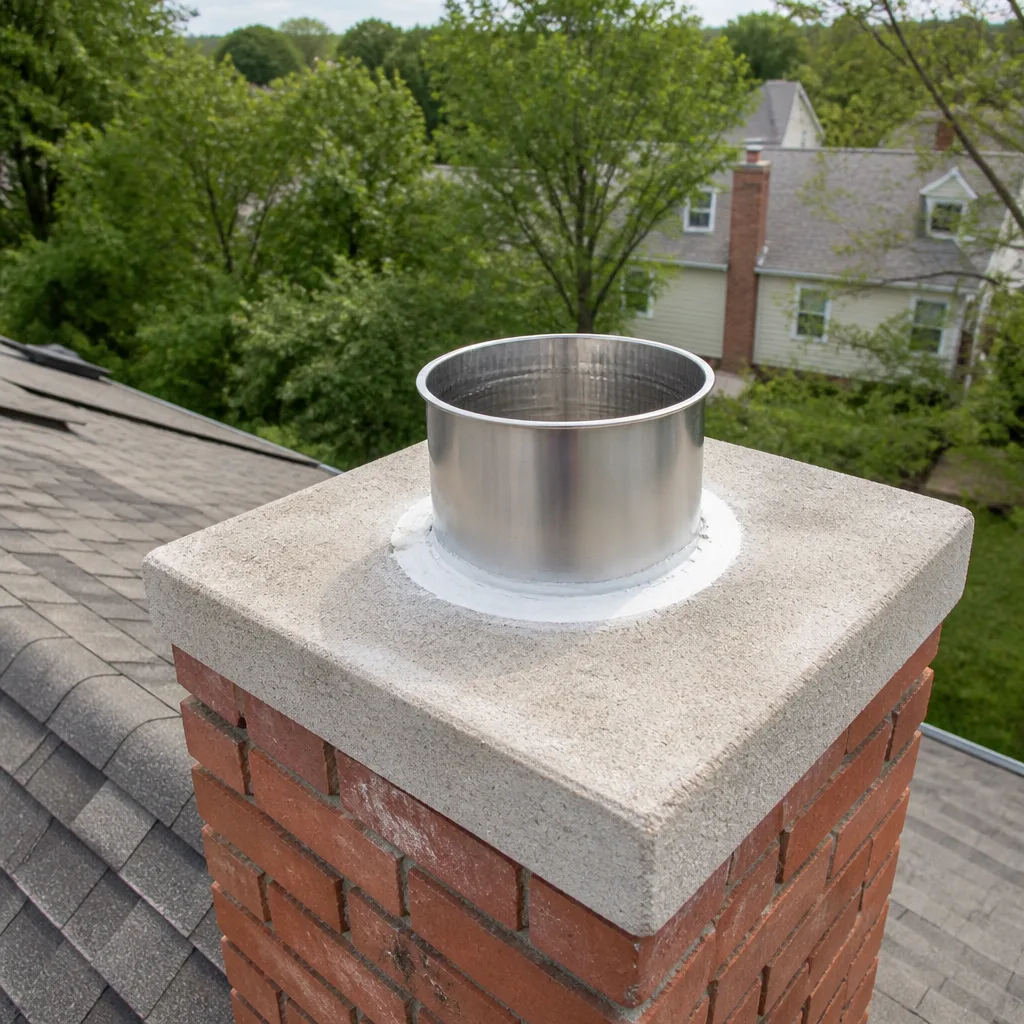 Flue relining
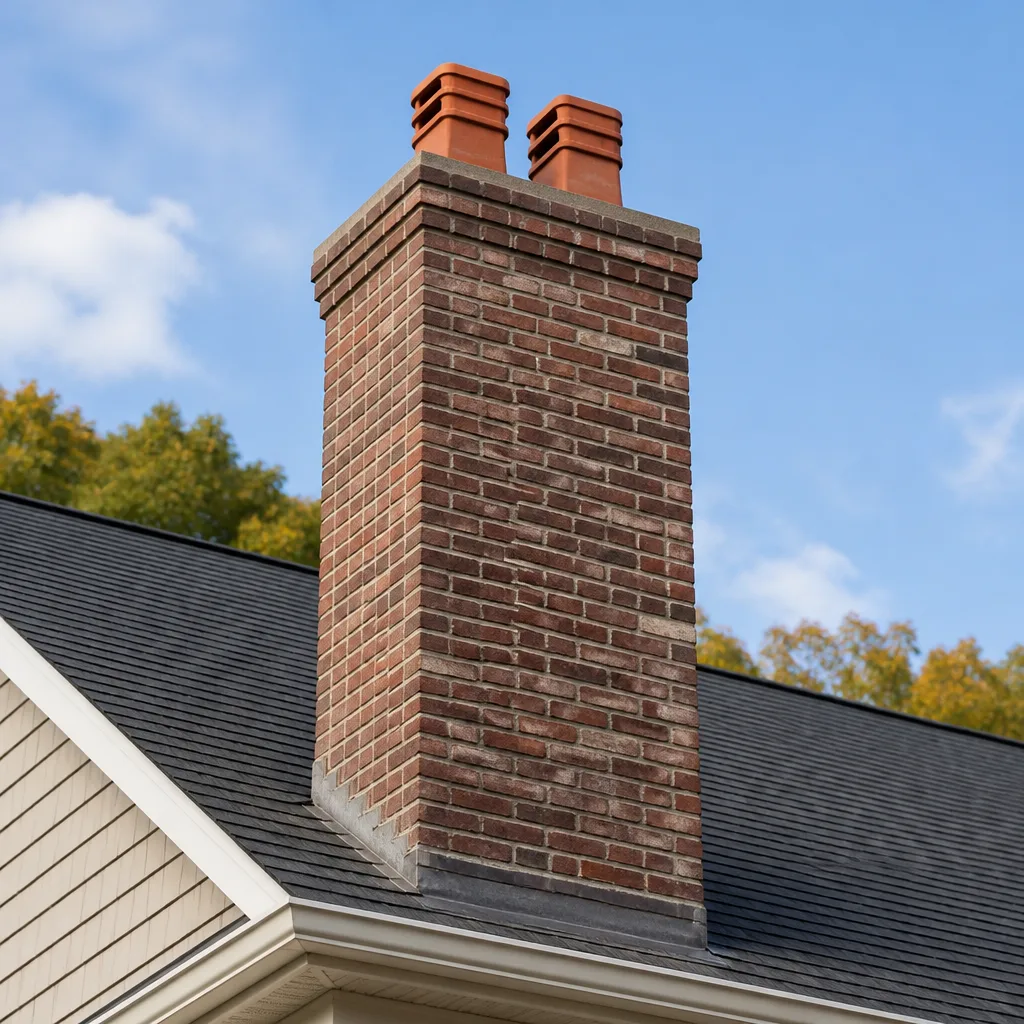 Masonry repair
 Gas fireplace service
Level 1 sweep and inspection to the NFPA 211 annual standard - flue, crown, cap, and flashing checked and photographed
Chimney sweep logs do not sweep chimneys. They loosen some creosote - which then falls where a brush and vacuum still have to collect it.
How to Hire a Chimney Cleaning Contractor in Davie: A Step-by-Step Guide
Most homeowners in Davie assume every chimney sweep is roughly the same transaction: someone shows up with a brush, runs it up the flue, hands you a receipt. That assumption is where things go wrong. The market here includes everything from general handymen carrying a single brush kit to credentialed specialists trained to a national standard, and the two can look nearly identical from a search result. The difference gets expensive when the cheap visit misses a cracked liner or a failing crown because nobody actually inspected anything. This guide walks you through what to verify before you book, the five questions that separate a real sweep from a visual once-over, the red flags hiding in a quote, and how to read reviews for chimney work specifically. Davie has its own context for all of this, and we’ll get to that.
Quick Answer
Hiring a chimney cleaning contractor in Davie comes down to verifying four things before anyone touches your flue: current CSIA certification you’ve confirmed through the CSIA lookup tool, the level of inspection included, whether a camera goes inside the flue, and whether you receive written findings. A credentialed specialist charged more per visit than a generalist, because the inspection, the sweep, and any repair belong to the same accountable team. Price the job after the inspection, not before.
Styles & brands we work with
- Sweep & inspection
- Caps & crowns
- Flue relining
- Masonry repair
- Gas fireplace service
Table of Contents
- What CSIA certification actually requires – and how to verify it
- The five questions to ask before you book
- Red flags in quotes and how to spot them
- Why a specialist’s higher per-visit cost saves money
- How to read online reviews for chimney work
- What makes chimney work in Davie different
- Matching the inspection level to your situation
- Common mistakes to avoid
- When to call a professional
What CSIA Certification Actually Requires – and How to Verify It
CSIA certification is not a logo. It is a credential issued by the Chimney Safety Institute of America, and earning it means passing a written exam, agreeing to a code of ethics, and staying current through continuing education. A certified technician is trained to the inspection and maintenance standards in NFPA 211, the national code that governs chimneys and vents. Someone who bought a brush and watched a few videos has none of that training, and no obligation to follow the standard.
The practical problem is that logos get borrowed. Plenty of websites display a CSIA badge that means a technician attended a seminar once, or a company member signed on years ago, or nothing verifiable at all. A badge on a page has never kept anyone safe. What matters is whether the person standing in your living room holds active certification right now.
Verification takes about two minutes, and you can do it before you book:
- Go to the CSIA’s online lookup tool, which lets you search by company name, city, or technician.
- Search for the contractor’s business name and note whether the result shows active status.
- Search by the specific technician’s name if the contractor provides one, since company membership and personal certification are separate.
- Ask the contractor directly during booking whether the technician performing the work holds current certification, and compare the answer to what the tool returned.
- If the search returns nothing, ask what credentials the company holds instead, and treat a vague answer as a reason to keep calling.
This is the step most homeowners skip, and it is the single most useful thing you can do before letting anyone work on a system that carries fire risk. If a contractor hesitates when you mention the lookup tool, that hesitation is information. Call (877) 798-7859 if you want to walk through it with a technician before scheduling.
The Five Questions to Ask Before You Book
These five questions turn a vague phone conversation into a real screening. Ask them the same way every time, and you’ll hear the difference between a prepared specialist and someone improvising.
1. What level of inspection is included? Chimney inspections come in three levels under the industry standard, and a sweep appointment should always include at least a Level 1 visual inspection. A Level 1 inspection covers readily accessible parts of the appliance, connector, and flue. If you’ve had a chimney fire, a change in appliance, or a long stretch with no service, a Level 2 inspection with a camera is the right call. A contractor who can’t tell you which level they’ll perform is guessing.
2. How do you vacuum? The correct answer involves a high-efficiency vacuum with filtration run through the entire appointment, sealed to the firebox opening. That setup prevents dust from settling on your furniture. A shop vac with a hose draped near the firebox is not the same thing.
3. Will you put a camera in the flue? A visual look down from the top catches some problems. A camera run through the flue catches cracks and gaps in the liner that a top-down glance misses entirely. The answer should be yes for a Level 2 inspection, and you should expect to see the footage or photos.
4. What will I receive in writing? You want a written report describing what was found, not a verbal “you’re all set.” Written findings are the record you compare against next season, and they’re what you take to a second opinion if a repair gets recommended.
5. What happens if you find damage? Good answers sound like this: the technician stops, explains what the camera showed, and leaves the decision with you. A contractor who schedules repair work into the same visit before inspecting is selling, not diagnosing.
We’ve written a longer guide to what a proper chimney sweep appointment involves if you want the full procedure. For booking, these five questions are enough to sort your call list.
Red Flags in Quotes and How to Spot Them
A chimney quote is a short document, and the missing pieces say more than the price line. These are the patterns worth watching for, whether you’re getting a quote in Davie or anywhere else in Broward County.
- A flat-rate sweep with no inspection component. If the price covers sweeping and nothing else, you’re paying for cleaning without diagnosis. Sweeping removes creosote. Repair addresses what creosote leaves behind, and nobody finds the second thing without looking.
- Refusal to provide written findings. “Everything looks fine” is not a report. A contractor who won’t put findings in writing is either not keeping records or not wanting them to exist.
- Pressure to approve repairs the same day. Real damage exists, and some of it is urgent. Even so, you’re entitled to think about a repair estimate and get a second opinion. A hard sell on the spot is a red flag on the diagnosis, not proof of the damage.
- No camera, and a strong opinion anyway. Cracks in flue tile and gaps in a liner are frequently invisible from the top. Confidence without evidence is guesswork wearing a uniform.
- A price quoted before anyone has looked. A repair or relining figure given over the phone, before an inspection, is either a low ball that grows or an upsell that was decided in advance. Nobody can quote a liner replacement without knowing the flue’s condition and dimensions.
- No credentials named, or credentials you can’t verify. Companies should be able to tell you what training their technicians have and which product systems they work with. Vague language about being “fully certified” without specifics is worth a follow-up question.
One more, specific to this climate: a contractor who warns that you need a full rebuild because of moisture damage before showing you any evidence. Davie’s rainy season keeps masonry damp for months, and real spalling does happen. It still needs a photograph and a written explanation, not just a scary sentence.
Why a Specialist’s Higher Per-Visit Cost Saves Money
A general handyman with a brush will usually quote less for a sweep than a dedicated chimney company, and that’s a fair comparison as far as it goes: it just doesn’t go far. The specialist’s price covers a trained technician, a sealed vacuum system, an inspection at the correct level, camera work where it’s warranted, and written findings you can keep. The generalist’s price covers a brush.
The economy plays out over years. A sweep that misses a hairline crack in a flue liner doesn’t prevent anything except creosote buildup. That liner gap lets hot gases and carbon monoxide reach the surrounding structure, and by the time it’s discovered, a resurfacing job has become a relining job. Doing the smaller repair at the right moment is almost always cheaper than the larger one later.
That’s part of why we work with established chimney industry product lines. DuraFlex flexible liner systems let a deteriorated flue be relined rather than rebuilt. HeatShield resurfacing addresses cracked and spalled flue liners by restoring the interior surface. Famco and Copperfield supply dampers, caps, and venting components so a repair can match the flue type rather than whatever a generalist happens to have on hand. Product depth means the repair is sized to your chimney, not to a limited inventory.
The other savings aren’t financial. Booking one company means the specialist who inspects is the same one who sweeps and the same one who repairs. No handoff, no argument about whose diagnosis was right, no second contractor starting from scratch. When you’re choosing, the honest comparison isn’t a sweep versus a sweep. It’s a cleaning versus a cleaning plus a diagnosis.
How to Read Online Reviews for Chimney Work
Reviews for any home service skew generic. “Great service, very professional” could describe a chimney sweep, a locksmith, or a restaurant. Chimney work has a specific signature, and it shows up in reviews that describe what was actually found and done. Look for these markers:
- Detail about findings. Reviews that mention the specific problem discovered (a cracked tile, a bird’s nest, a disconnected liner) suggest the reviewer received an actual inspection.
- Camera and photo mentions. If a reviewer writes that the technician showed them photos of the flue interior, that’s a real inspection being reported, not a marketing script.
- Written report references. A reviewer who mentions receiving a report knows what a completed service looks like.
- Honesty in the other direction. Some of the most useful reviews say the chimney didn’t need work. A company willing to be told “no work needed” and report it publicly is usually one that isn’t selling repairs by default.
- Technician names, occasionally. Not a requirement, but reviews that mention a specific tech’s care or explanation style tend to be written after a full appointment.
The inverse matters too. A page full of short five-star reviews that all say “great job” and nothing else tells you little. Read the two- and three-star reviews for how the company handled a problem. That’s where you learn whether a bad visit gets resolved or argued with. And read the worst reviews for a pattern: if several complain about a surprise repair estimate, that’s a signal worth weighing.
You can also check whether reviewers mention the company by name in a way that suggests a real appointment, and cross-reference what they praise against what the company advertises. If reviews never mention inspection levels or written reports but the website promises them, ask about it directly.
What Makes Chimney Work in Davie Different
Chimney work here doesn’t look like chimney work in New England, and the differences shape both what to ask and what to expect. A few things worth understanding about this corner of Broward County:
The season, not the snowfall, sets the urgency. Davie winters are mild, but they’re cool enough for regular fireplace use, and that’s when creosote accumulates. Our rainy season drives humidity into masonry for months, which is hard on crowns, flashing, and exterior joints. By the time the first cool front arrives, a chimney that’s been quietly absorbing moisture all summer is the one that needs attention. The right time to book is before the burning season, not on the first cold evening.
Older masonry is the norm in established neighborhoods. Much of the housing stock in and around Davie’s older subdivisions has chimneys that predate modern liner requirements. A masonry chimney from decades past may have a clay tile liner that’s cracked, spalled, or never existed in the way current standards require. That’s not a reason to panic, but it is a reason a proper inspection matters more here than in a neighborhood full of new construction.
Hurricane belts mean exterior hardware takes hits. Storms that pass through Broward County are hard on chimney caps, top-sealing dampers, and crown mortar. A cap that’s come loose lets water and animals into the flue. After a significant storm season, an inspection is worth more than a sweep alone.
Humidity and salt-free but damp air. The combination of long rainy seasons and cooling cycles keeps moisture moving through masonry. Cracks and spalling are common findings, and a repair that ignores them because the technician only swept is the most common way a cheap visit becomes expensive.
For more on how a sweep fits into a Davie seasonal calendar, the local guide at our Davie page covers service details in this area.
Matching the Inspection Level to Your Situation
The industry standard defines three inspection levels, and choosing the right one before you book prevents both underdiagnosis and unnecessary work. Here’s how they line up with what you’re likely dealing with:
Level 1 inspection is the baseline. It’s a visual examination of readily accessible parts of the chimney and venting system, done with the tools a technician already has in hand. It’s appropriate for an annual service on a chimney with no known problems, no changes, and no history of chimney fire. Most routine sweep appointments in Davie include one.
Level 2 inspection goes further, using a camera run through the flue to look for hidden defects. It’s the right choice in several common situations: after a chimney fire, after an earthquake or severe storm, when switching to a different fuel type or appliance, when a new home is being purchased, or when a Level 1 inspection turns up something that needs a closer look. It’s also the sensible starting point for any older masonry chimney with no service history.
Level 3 inspection is for a specific diagnostic purpose, when a Level 1 or 2 inspection has revealed a problem that can’t be investigated without opening up parts of the chimney structure. It’s rare, and it should be explained clearly before anyone starts removing masonry.
Ask which level your appointment includes, and ask what that means in practice. A contractor who answers clearly is a contractor who knows the standard. If you already know your repair needs are structural, our chimney repair page covers how resurfacing and relining are sized to the flue. For everything else, the inspection determines the path.
Common Mistakes to Avoid
- Booking on price alone. The cheapest sweep in Davie is often a generalist without inspection training, and the money saved up front usually disappears the first time a real repair is needed. Compare what each quote includes, not just what it costs.
- Never verifying certification. A CSIA badge on a website is not proof of active certification. Search the CSIA lookup tool by company and by technician before booking, and treat the result as part of the quote.
- Accepting a verbal “you’re fine.” Ask for written findings every visit. The written record is what protects you next season and what lets a second opinion catch a mistake.
- Approving repairs the day they’re quoted. You are entitled to consider a repair estimate and get another opinion. If damage is urgent, a contractor can explain why without requiring a signature on the spot.
- Skipping the camera on an older masonry chimney. Top-down visual inspection misses hairline cracks and disconnected liner sections. On a pre-modern liner, a camera is the cheapest way to find out what you’re actually dealing with.
- Waiting for the first cold snap. Davie’s burning season arrives with the cool weather, and booking then puts you in a rush. Book before the season when there’s time to diagnose properly and schedule any repair without pressure.
- Ignoring exterior damage after storm season. A cracked crown or a loose cap lets water into the masonry all rainy season. Have the exterior checked after a heavy storm year even if the interior seems fine.
When to Call a Professional
Some situations don’t need a second opinion; they need a technician. Call a chimney professional if you’ve had a chimney fire, even a small one you think you put out quickly. Call if you smell smoke in the house with the damper open, if a downdraft keeps forcing smoke into the room, or if the firebox or damper won’t operate the way it used to. Call if the chimney has visible cracks in the exterior masonry, a loose cap, or spalling mortar after a storm. Call if you’ve moved into a home in Davie and have no service history for the chimney. Call if your carbon monoxide alarm has gone off and the fireplace was in use. In each case, an inspection is the correct first step, and the diagnosis determines what follows.
Chimney Sweep Davie offers free estimates in Davie. Call (877) 798-7859. Our technicians have up to 12 years of experience, and the estimate is set by the written findings after the inspection, not by a price quoted over the phone.
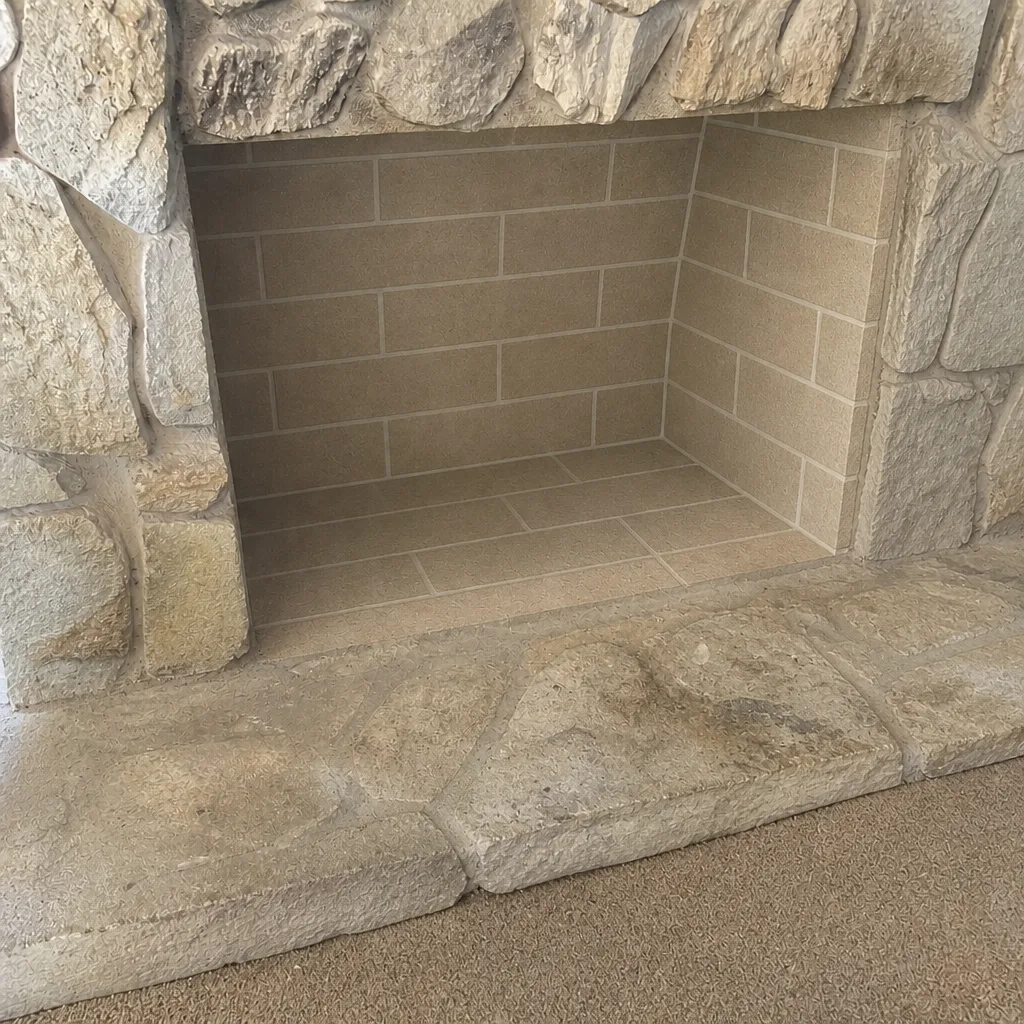
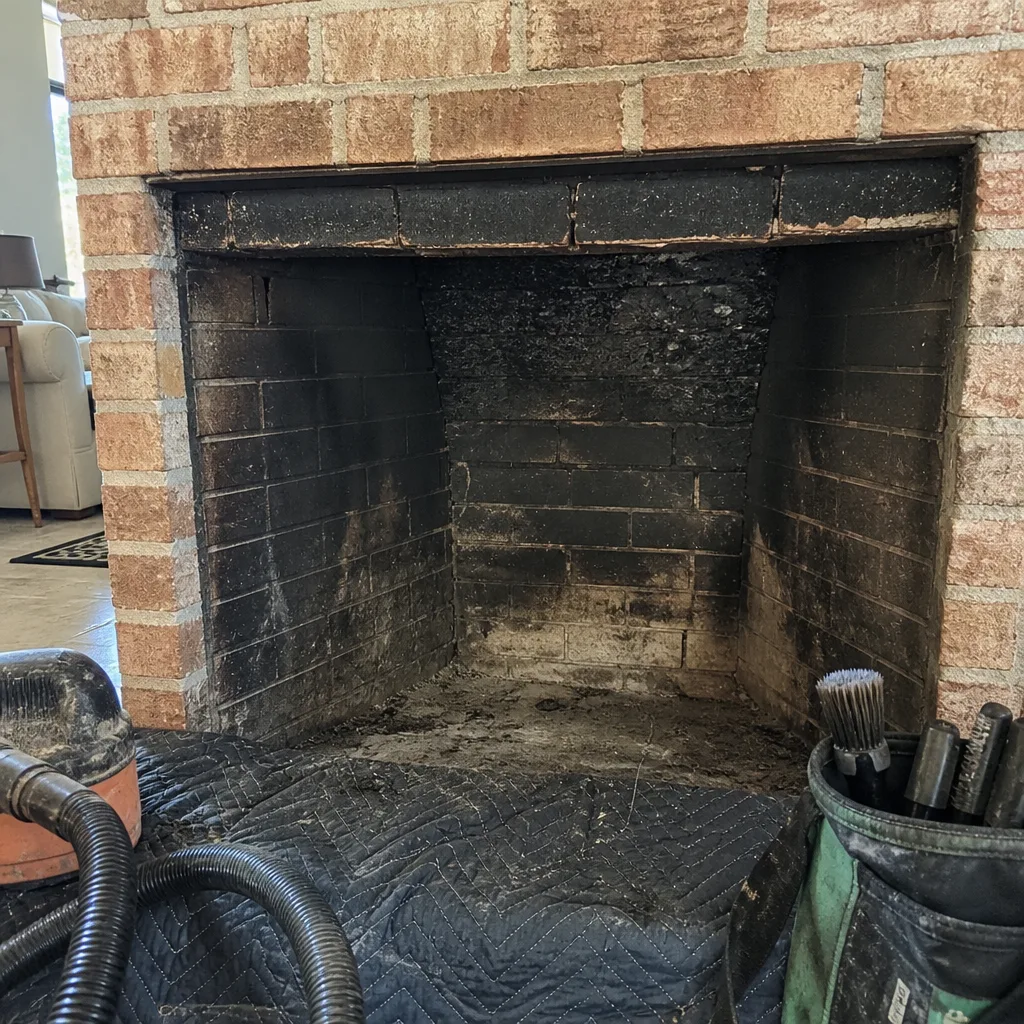
See the difference
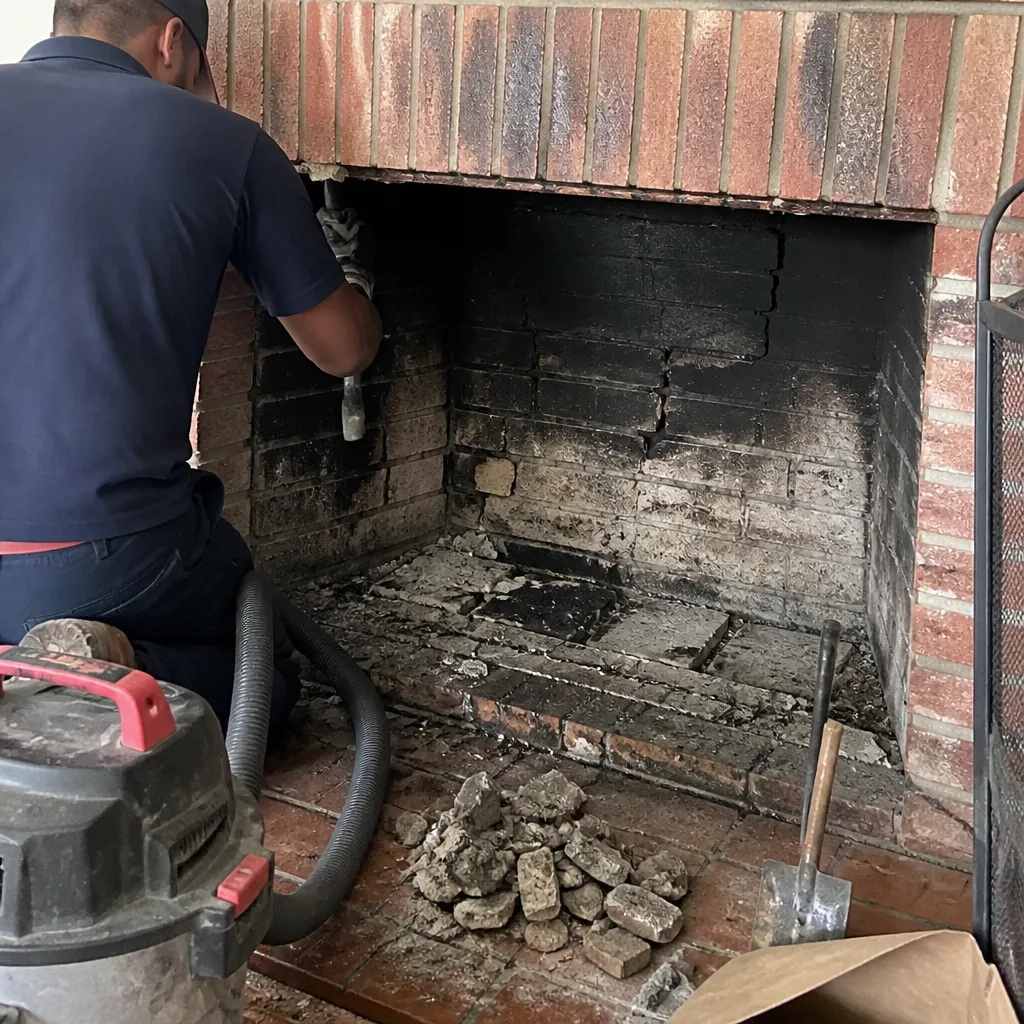 Before
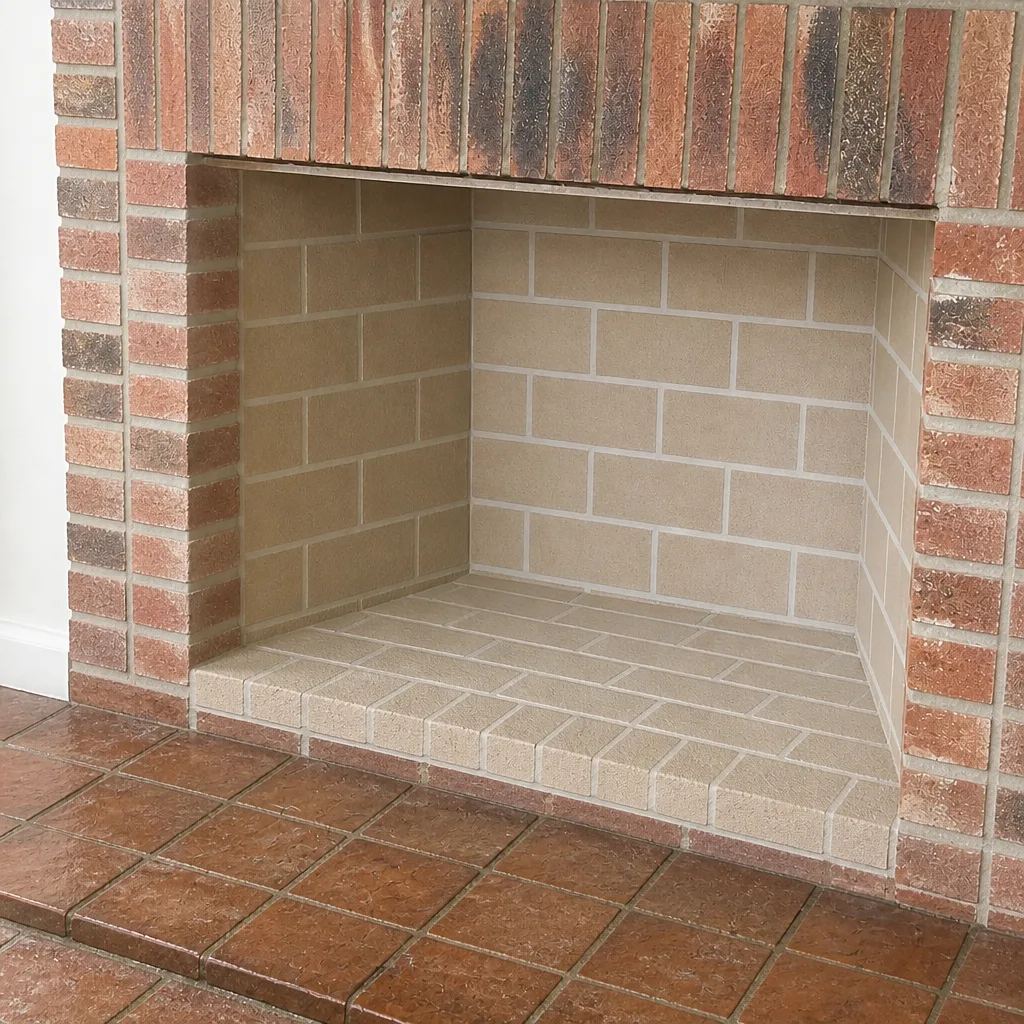 After
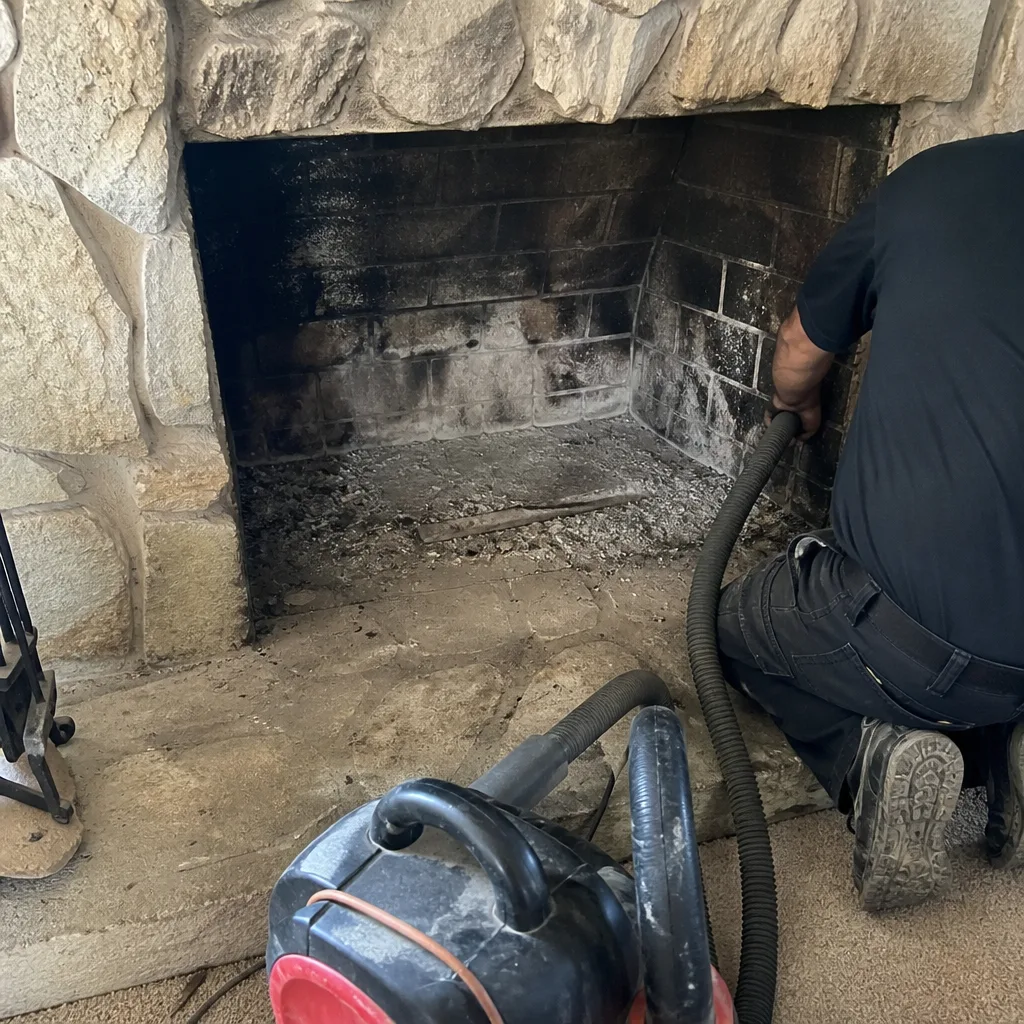 Before
 After
 Before
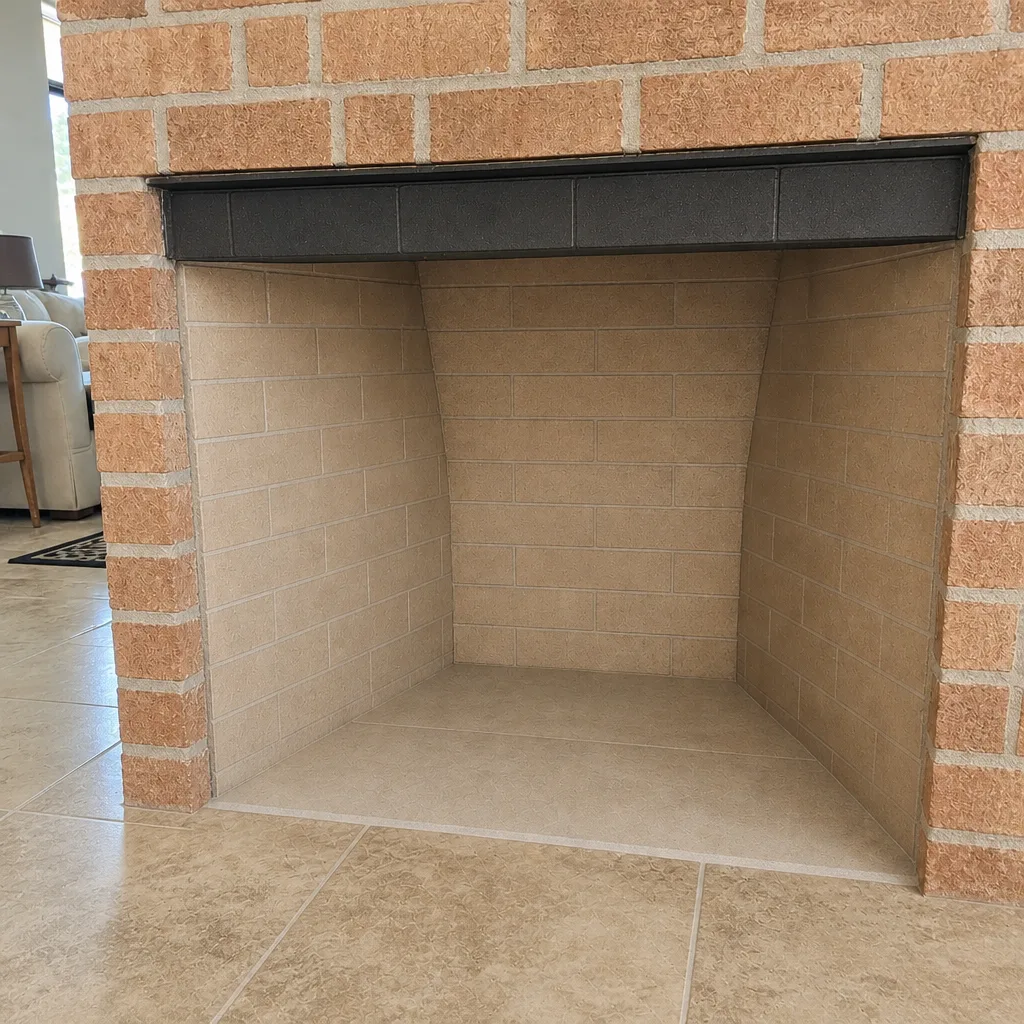 After
Frequently Asked Questions
Most routine chimney sweeps in the Davie market run in the low hundreds of dollars, and a sweep bundled with a Level 2 inspection costs more because it includes camera work and a written report. The exact price depends on the level of inspection, the length of the flue, and whether a repair is needed. Call (877) 798-7859 for an exact quote, since estimates are free and the written estimate sets the final price.
You need a new liner only if a camera shows the existing one is cracked, disconnected, or deteriorated past what resurfacing can restore. A reputable contractor will show you the footage and explain what the standard requires for your appliance. If you’re being told you need relining without photos or a written report, get a second opinion before you book anything. Call (877) 798-7859 if you want a camera-based inspection to answer the question.
Once a year is the usual guidance for a wood-burning fireplace under normal use, and more often if you burn frequently or notice buildup. In Davie’s climate, the case for annual service is as much about catching exterior and moisture damage as it is about creosote. Booking before the burning season gives you time to fix what the inspection finds. Call (877) 798-7859 to schedule before the cool weather arrives.
Creosote builds up on the flue walls with every fire, and heavy creosote is combustible. A chimney fire can follow, and small ones often go unnoticed. The other risk is a hidden liner defect that a sweep would have caught. Nothing about this is meant to alarm you, but skipping service leaves both risks unexamined. Call (877) 798-7859 for an inspection that answers the question for your specific chimney.
Search the CSIA’s online lookup tool by company name and by technician name, and compare the result with what the contractor tells you. Company membership and personal technician certification are listed separately, so check both. If the search comes back empty, ask what credentials the company holds instead. Call (877) 798-7859 if you want to confirm a technician’s credentials before booking.
A handyman can push a brush up a flue, but that isn’t the same as a Level 1 inspection performed to NFPA 211 standards, and it won’t include camera work or a written report. On an older masonry chimney in Davie, the difference between a cleaning and a diagnosis is where most expensive surprises hide. Call (877) 798-7859 for a specialist who inspects, sweeps, and repairs in one appointment.
The Bottom Line
Hiring a chimney contractor in Davie is mostly a verification exercise. Confirm active CSIA certification through the lookup tool. Ask the five screening questions about inspection level, vacuum method, camera use, written findings, and what happens if damage turns up. Read quotes for what’s missing rather than what they cost. Treat a cheap sweep as a cleaning, and price the diagnosis separately, because the visit that catches a cracked liner is the one that actually saves money. Our technicians have up to 12 years of experience, and we work with DuraFlex, HeatShield, Famco, and Copperfield systems so any repair matches the flue. When you’re ready, call (877) 798-7859. We answer 24/7. Fast dispatch from 7am to 7pm, Sunday through Friday. The estimate is free, and the written estimate sets the final price.
Written by the team at Chimney Sweep Davie.