
Last updated November 16, 2026
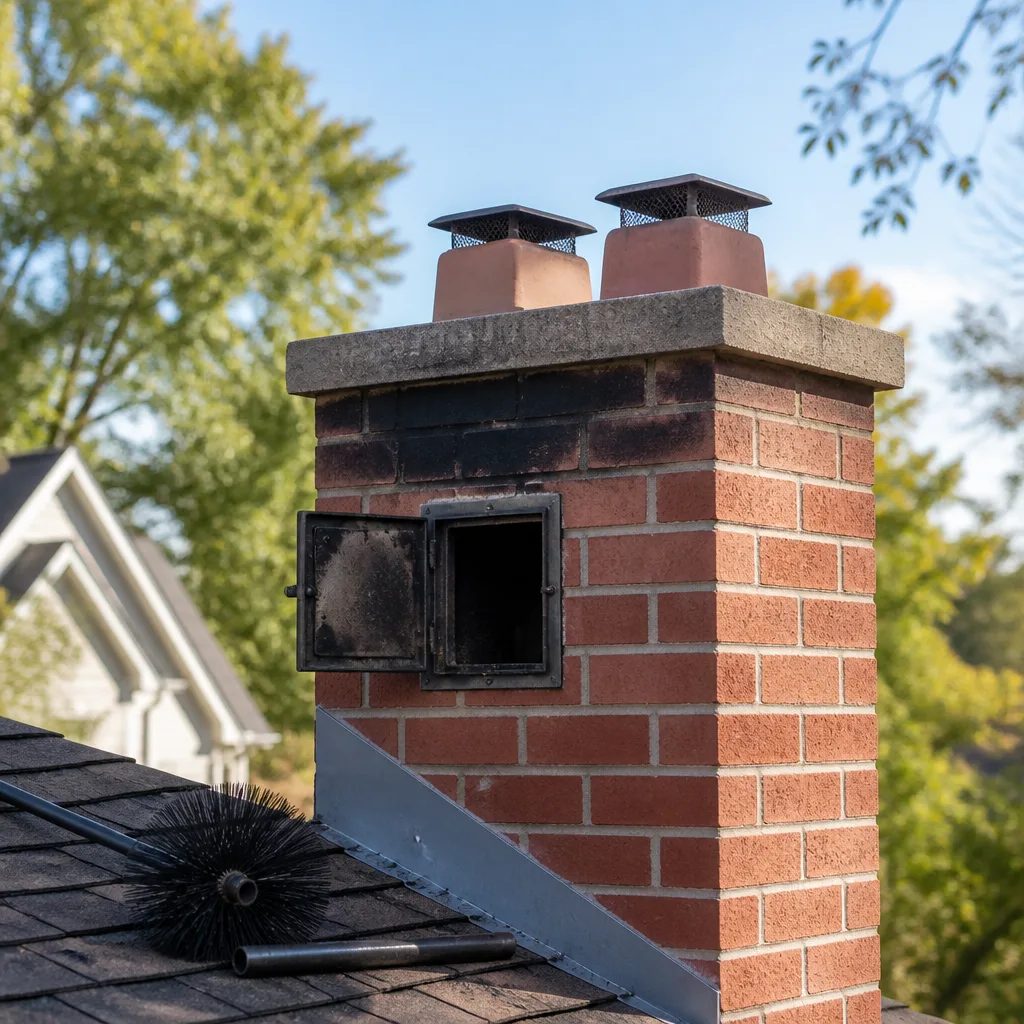 Sweep & inspection
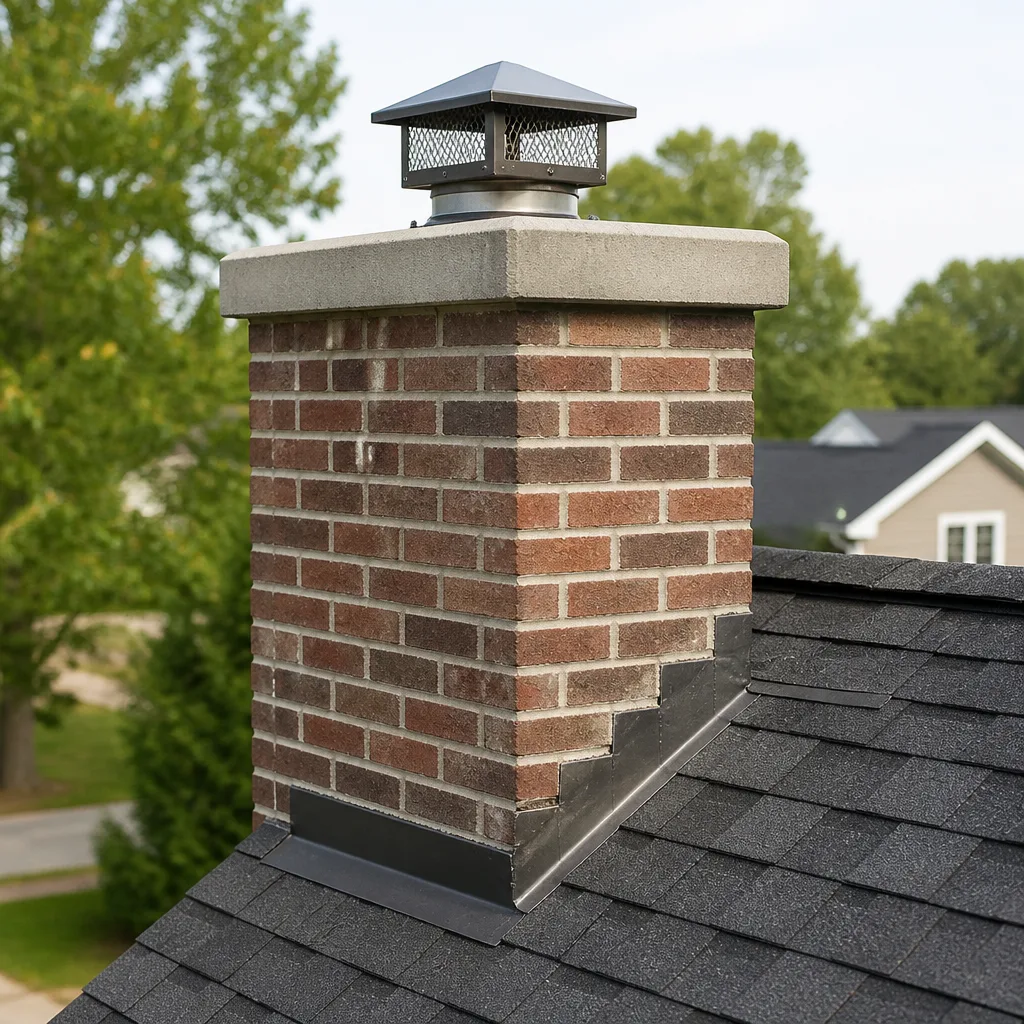 Caps & crowns
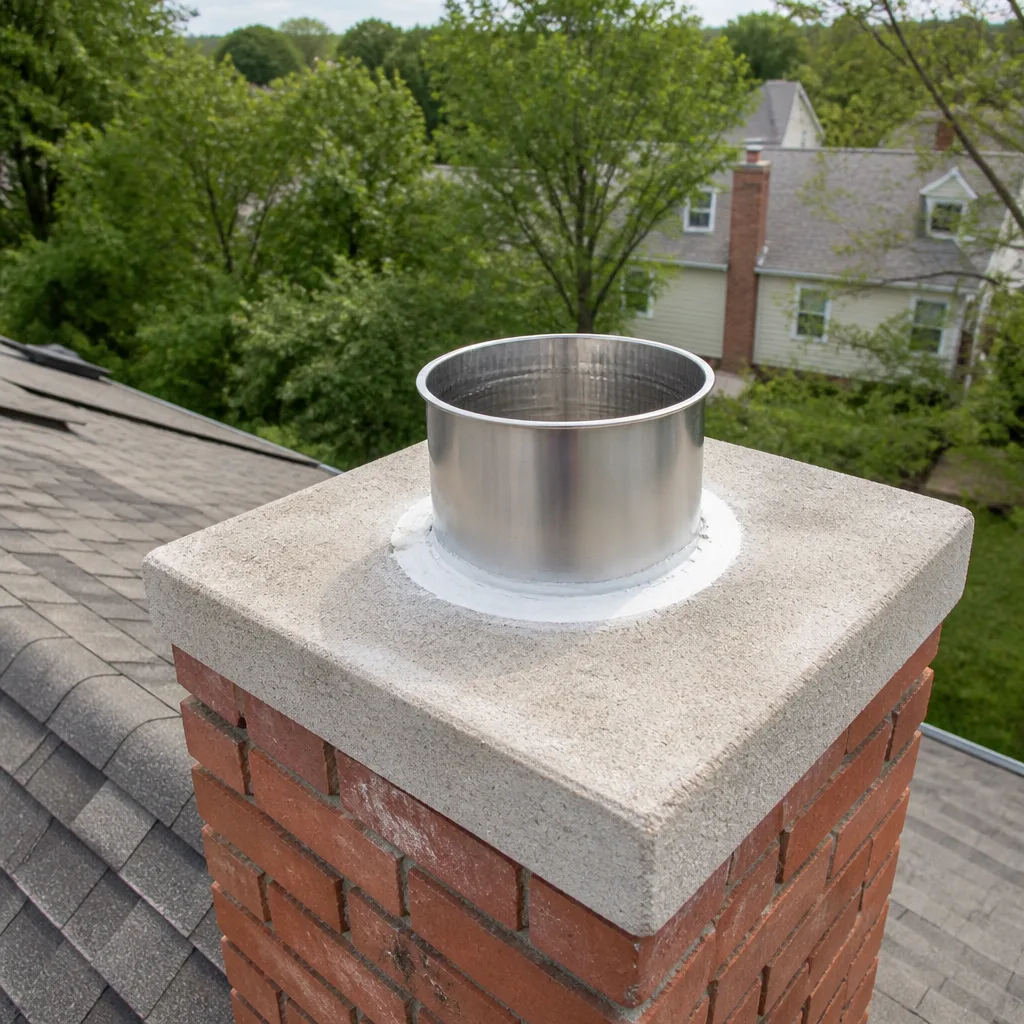 Flue relining
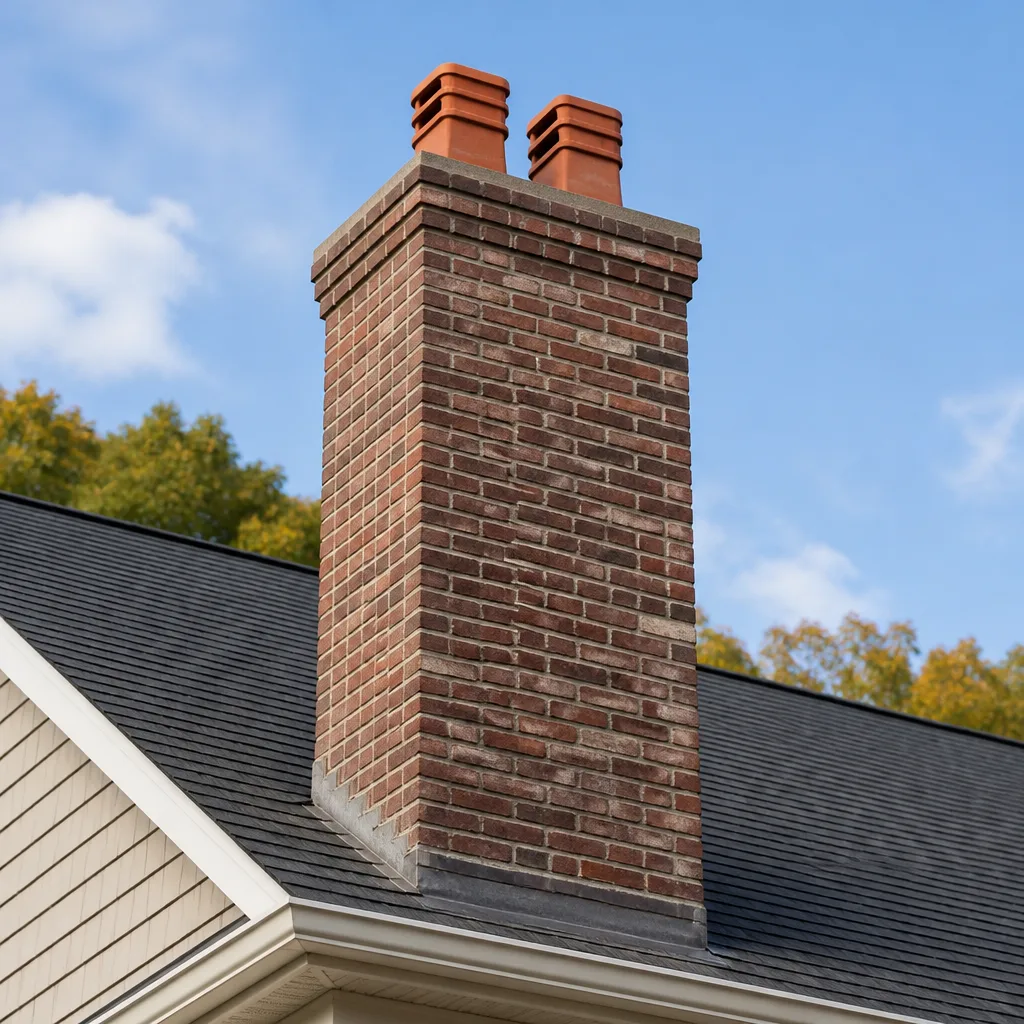 Masonry repair
 Gas fireplace service
Level 1 sweep and inspection to the NFPA 211 annual standard - flue, crown, cap, and flashing checked and photographed
Chimney sweep logs do not sweep chimneys. They loosen some creosote - which then falls where a brush and vacuum still have to collect it.
Chimney Cleaning Warning Signs: A Davie Homeowner’s Reference Guide
A white stain running down the outside of a chimney isn’t a cosmetic issue. It’s efflorescence, and it means water is actively moving through your masonry. The stain shows up long before the structural damage does, which is exactly why it’s easy to ignore. Most of the warning signs in this guide behave the same way: a smoky smell, a stain on the ceiling, a noisy damper. Each one reads as a minor annoyance and each one points to a specific, diagnosable condition. In Davie, where chimneys sit through humid summers and mild winters that never quite dry them out, those conditions tend to move faster than homeowners expect. What follows is a symptom-to-cause reference you can use before you call anyone: what each sign actually means, which ones mean stop using the fireplace today, which ones can wait for a scheduled visit, and how to describe what you’re seeing so the right tools and parts arrive with the technician.
Quick Answer
The warning signs that a chimney needs cleaning or repair are: a strong smoky odor even when the fireplace is cold, white or brown staining on the exterior masonry, rust streaks on the cap or firebox components, black marks on the ceiling or mantel, smoke rolling back into the room, and a damper that no longer seals or moves freely. Signs that mean stop using the fireplace immediately are smoke backing into the living space, visible cracks in the firebox or flue, a damaged or missing cap with debris inside, and any smell of gas. Everything else is maintenance that should be scheduled, not ignored. A professional sweep and inspection turns each of these symptoms into a specific diagnosis, and in Davie the humidity adds a few signs northern guides never mention.
Styles & brands we work with
- Sweep & inspection
- Caps & crowns
- Flue relining
- Masonry repair
- Gas fireplace service
Table of Contents
- The Symptom-to-Cause Reference
- Which Signs Mean Stop Using the Fireplace Now
- White Staining and Water Moving Through Masonry
- Warning Signs Florida Guides Miss
- How Warning Signs Compound Over Two Seasons
- What to Tell Your Technician When You Call
- What You Can Check Yourself and What You Can’t
- A Maintenance Rhythm That Fits Davie
The Symptom-to-Cause Reference
Most homeowners describe a chimney problem by its symptom, and that’s fine. The technician’s job is translating the symptom into the underlying condition, and knowing the translation yourself helps you judge whether the estimate you get makes sense.
- Smoke rolls back into the room when you light a fire. This is a draft problem. Either the flue is partially blocked by creosote or debris, the chimney is too short or cold to establish draft, or negative pressure inside the house is pulling air down the flue. Each cause has a different fix, and a camera inspection is how we tell them apart.
- A smoky smell when the fireplace is cold. Creosote and soot in the flue hold odor, and humid air pushes that smell back down into the house. In Davie this is the most common summer complaint and it usually means the flue is overdue for a sweep.
- White staining on exterior brick. Efflorescence. Water is entering the masonry and pushing mineral salts out through the surface. The stain is the visible part of the problem, not the whole problem.
- Black marks on the ceiling or above the mantel. Incomplete combustion combined with poor draft. Smoke is escaping at the firebox instead of going up the flue. This one carries a carbon monoxide implication, not only a cosmetic one.
- Rust streaks on the cap, damper, or firebox. Water has been getting in and staying in. The metal parts corrode first; the flue lining is next.
- A damper that sticks, clangs, or won’t close flush. A warped or rusted damper, or one with creosote buildup on the blade. A damper that won’t seal lets heated air out of the house and lets humid air in when the fireplace is unused.
- Crumbling mortar or a cracked crown. Moisture erosion of the masonry itself. Left alone, it lets more water in, which accelerates the same process.
Any of these on their own is worth an inspection. Two or more on the same chimney usually means water and creosote are working together, and that’s when the timeline tightens. If you’re not sure which symptom you’re looking at, a chimney sweep and inspection gives you a documented answer instead of a guess.
Which Signs Mean Stop Using the Fireplace Now
Some warning signs are maintenance. Others are a stop sign. The distinction matters because a chimney fire or a carbon monoxide problem doesn’t give you a second chance to schedule a visit.
Stop using the fireplace and call us before you burn again if you notice any of these:
- Smoke backing into the living space. Draft has failed or the flue is blocked. Burning in that condition pushes combustion products into the room.
- Visible cracks in the firebox, the flue tiles, or the exterior masonry. A crack in the flue lining is a direct path for heat and gases into the structure of the house.
- A missing, loose, or damaged cap, or visible debris inside the flue. In Davie, an open flue is an invitation for birds, squirrels, and nesting material, and a nest in a flue is a chimney fire waiting to happen.
- Any smell of gas from a gas insert or gas log set. Stop, ventilate, and treat it as a gas concern first.
- A loud roaring sound from the chimney, or creosote flakes falling into the firebox. These are signs of a chimney fire, whether or not you saw flames from outside.
- Headaches, nausea, or drowsiness that appear while a fire is burning. Carbon monoxide is odorless. Symptoms that clear when you leave the room are a reason to stop and get the system inspected.
Everything in the previous section is scheduleable. Everything in this list is not. When in doubt, don’t burn. The cost of an inspection is small compared to the cost of being wrong about a crack you can’t see. We work with DuraFlex flexible liner systems and Olympia Chimney components, so if a liner does turn out to be compromised, the repair is handled by the same team that found the problem.
White Staining and Water Moving Through Masonry
Efflorescence is the white, chalky stain you see on exterior brick or mortar. It forms when water moves through masonry, dissolves mineral salts, and deposits them on the surface as the water evaporates. The important word is moves. A stain on the surface means water is traveling through the wall, and it’s traveling through the wall before the damage is visible.
On a chimney, water gets in through three predictable routes:
- A failed crown. The concrete cap at the top of the chimney cracks with age and lets water run straight down into the masonry.
- A missing or damaged cap. The spark arrestor cap keeps rain out of the flue. When it’s gone or rusted through, water goes directly into the flue lining.
- Failing mortar joints. Brick and mortar expand and contract with moisture and temperature. Over years, the joints erode, and water finds the gaps.
Efflorescence alone doesn’t mean the chimney is failing. It means the chimney is wet, and you need to find out where the water is coming from before it does mean that. That’s an inspection job, not a scrubbing job. And it’s the reason the stain is worth a phone call rather than a coat of paint. Painting over efflorescence traps the moisture inside the masonry and speeds up the damage you were trying to hide.
Humidity in Davie makes this the single most common exterior sign we see. Fireplaces here sit unused from roughly May through October, the masonry stays damp, and by the first cold snap the signs are already there. When we inspect a chimney in Davie, the crown and the mortar joints get checked before the flue does, because that’s where the water starts.
Warning Signs Florida Guides Miss
Chimney reference guides are mostly written for cold climates, and the signs they list assume the chimney is working hard all winter. A Davie chimney sits idle more months than it burns, and it sits through a humid season the northern guides never address. These are the signs that matter here:
- Rust streaking from the cap and the firebox. Continuous humidity corrodes steel components. Rust on the cap or the damper is the earliest sign that water has been getting in and staying in.
- Mortar erosion from seasonal moisture cycling. Not freezing, just wetting and drying. The mortar softens with wet summers and contracts in the dry season, and over the years the joints recede. On older Davie masonry chimneys, receded joints are a common finding.
- Vegetation intrusion in an infrequently used chimney. A chimney that sits idle for six months a year is a structure to birds and squirrels. Nests, twigs, and seed material block the flue and burn hotter than they should. A cap in good condition is the fix, and Famco caps and dampers are the kind of hardware we fit for exactly this reason.
- A musty smell inside the house after summer. That’s flue odor, not a plumbing problem. Or it usually is. A humid, closed-up house pulls air down an unused chimney, and whatever’s inside the flue comes with it.
- Mildew on the firebox or the surrounding drywall. Water is getting in or the chimney is holding moisture. In this climate, mildew inside the chimney enclosure is a real signal, not a cosmetic one.
If you’re used to reading chimney advice written for cold climates, none of these will ring a bell. Add them to the list. You don’t need to know what’s causing the sign to call, only that the sign is there. When you describe the sign and where you saw it, we’ll match the right tools and the right hardware to the visit before we get there.
How Warning Signs Compound Over Two Seasons
Warning signs don’t stay in one category. A leaking cap that looks like a nuisance in year one becomes a liner problem by year two. Here’s how the chain usually runs, using the most common version in Davie:
- A missing or rusted cap lets rain in. Water runs down the inside of the flue, sits in the smoke chamber, and works its way into the firebox.
- The damper and metal components corrode. The rust you see at the firebox is the visible end of a process that’s been running for months inside the chimney.
- The flue lining begins to deteriorate. Moisture plus acidic flue gases degrade flue tiles, and clay tiles crack as they age. This is the point where water has gone from a nuisance to a structural concern.
- The flue no longer contains heat reliably. A cracked flue tile is a path for heat and combustion gases into the structure around it. This is where a repair becomes necessary rather than optional.
- The repair grows in scope. A call that could have ended with a new cap and a sweep ends with a reline instead.
That’s the real argument for acting on the signs early. Not because a homeowner has to buy a new liner, but because a chimney that stays sealed and swept doesn’t reach step three. When we do find a deteriorated flue lining, the repair is a DuraFlex flexible liner sized to the flue and matched to the appliance, or HeatShield resurfacing for a flue that’s cracked but still structurally sound. The inspection decides which. Nothing gets replaced because a technician decided so; it gets replaced because a camera shows a crack you can watch on the monitor with us.
Same chain runs from the inside as well. Creosote in a flue that is also wet becomes a harder, glazed deposit, and glazed creosote is the kind that ignites. So a leaking cap in year one isn’t just a liner problem in year two. It’s a creosote problem in year two, and a chimney fire risk in year three. If you want the full timeline of what sweeping actually removes and when, our guide to a Chimney Sweep Davie explains the process step by step.
What to Tell Your Technician When You Call
You don’t have to diagnose the problem yourself. You do need to describe it, because a description tells the technician what tools to load and what hardware to expect. This is the difference between a visit that’s done in one trip and a visit that turns into three. Here’s what helps, in order of how much difference it makes:
- What you see, and where. Not “the chimney’s broken,” but “white stain on the outside brick, left side, from the crown down about a foot.”
- When you see it. Only when it rains? Only when a fire is burning? All the time? Each points to a different cause.
- What the fireplace does when you light it. Light cleanly with a strong draft, or smoky with a slow start? Does smoke enter the room before the flue warms up?
- How long it’s been since the last sweep. If you don’t remember, say so. That’s useful information too.
- What kind of appliance you have. Wood-burning fireplace, gas insert, or gas log set. Each gets a different inspection routine.
- What you can hear or smell. Rattle, whistle, smoky odor in summer. Include it all.
If you’ve already taken a photo, send it. A phone photo of the cap from the yard, or of a ceiling stain, gives us enough to plan the visit. The point is not to self-diagnose. The point is for the technician to arrive prepared, and for you to have an honest conversation about what the inspection is likely to find. That’s a fair question to ask on the call, and a good technician will tell you.
What You Can Check Yourself and What You Can’t
Some checks are safe with a flashlight and five minutes. Some require a trained professional, and no amount of caution makes them a homeowner job.
Safe for you to check:
- Look at the exterior of the chimney from the ground. Staining, rust streaks, missing cap, cracked crown, receded mortar.
- Look at the ceiling and the wall above the mantel for soot marks or water stains.
- Open the damper fully and check that it moves freely and seals when closed.
- Look into the firebox with a flashlight for cracks in the masonry or the firebrick.
- Smell the firebox and the surrounding room when the fireplace has been cold for days.
Not a homeowner check:
- Climbing on the roof to inspect the crown or the flue from above. Height work on a roof is a fall hazard, and it’s not worth it for a visual check.
- Looking down an open flue without the right lighting. Without a camera you can’t see past the first tile.
- Removing creosote or attempting to clean a flue. Creosote is combustible and corrosive, and a chimney brush is not a shop vac. The flue lining is fragile, and a damaged flue tile is a much bigger problem than a dirty flue.
- Anything to do with a gas insert or gas line. That’s a gas technician’s job, and we’ll say so.
- Evaluating a flue lining yourself. A cracked tile looks like a normal tile at the bottom of a dark flue. Camera inspection is the only reliable answer.
The safe list tells you whether to call. It doesn’t tell you what’s wrong. That said, if you’ve done the ground-level check and something looks off, make the call. And if the chimney looks fine but it’s been several seasons since the last sweep, call for a sweep and ask for a camera inspection with the report. A sweeping without an inspection is a cleaning, not a diagnosis.
On the gas side, be practical about it. Gas inserts and gas log sets still produce combustion byproducts and still need venting checked. We inspect those venting systems. We don’t touch the gas supply side, and we’ll tell you to call a licensed gas technician if the problem is with the supply or the burner. The vent is our job, the gas line is theirs, and knowing the difference saves you a bad call to the wrong trade. Dampers, caps, and venting components from Famco and Copperfield are what we fit for the chimney side of that work.
A Maintenance Rhythm That Fits Davie
The general rule is to sweep when the creosote layer reaches about 1/8 inch, which for most homes means once a year with regular use, or a bit less often if the fireplace is a secondary heat source. In Davie, the season matters as much as the frequency, so the rhythm looks a little different here:
- Inspect before the first cool snap. Get the camera inspection done in the fall, before the fire season starts. That’s when the signs from the humid summer are fresh and before the first fire runs a full season of creosote through a chimney that had a problem all summer.
- Sweep when the inspection says to. If the creosote layer is heavy, sweep. If it’s not, don’t. A chimney that’s clean doesn’t need to be cleaned again, and a sweep is a maintenance visit, not an annual bill.
- Deal with the cap and the crown. These are the water routes. Sealing them keeps years off the repair timeline more than any other single step.
- Check after a season of no use. If you skipped a fire season, expect some sign of wildlife intrusion. Vegetation in an unused flue is the single most common off-season finding we make.
- Keep the damper closed when the fireplace is cold. In a humid climate this is the one habit that matters most for keeping the firebox dry.
That rhythm serves the system better than an arbitrary annual appointment. If the signs you’ve been reading are already there, a chimney repair visit and an inspection are the same trip, and the estimate tells you exactly what you’re looking at.
Common Mistakes to Avoid
- Painting over efflorescence. Paint traps the water inside the masonry and accelerates the damage it was meant to hide. Fix the water source first, then think about appearance.
- Treating a smoky room as a fire-building problem. It’s a draft or blockage problem, and it’s the most common reason carbon monoxide shows up in living space. Add fire starter and open a window and you’ve trained yourself to ignore a real symptom.
- Leaving an open flue through the summer. In South Florida the idle season is long, and that’s when nests find the flue. A cap in good repair is cheap prevention.
- Assuming a sweep is the same as an inspection. Sweeping removes creosote. Inspection finds the crack the creosote was hiding. You need both, and one is not the other.
- Calling a general handyman with a brush. A chimney is not a gutter. The flue lining is a structural system, and a mis-sized brush or a heavy-handed attempt can damage tiles. Whether it’s a sweep or a reline, the diagnosis should be done by someone who works on chimneys full time.
- Waiting for the first cold snap in Davie. The phone lines on the first cool morning are the worst time to schedule anything. The signs were there in May. Use them in spring.
- Hiring the first estimate without asking what’s in it. An estimate that doesn’t include a camera inspection or a written scope is a number, not a diagnosis. Ask what evidence you’ll be shown.
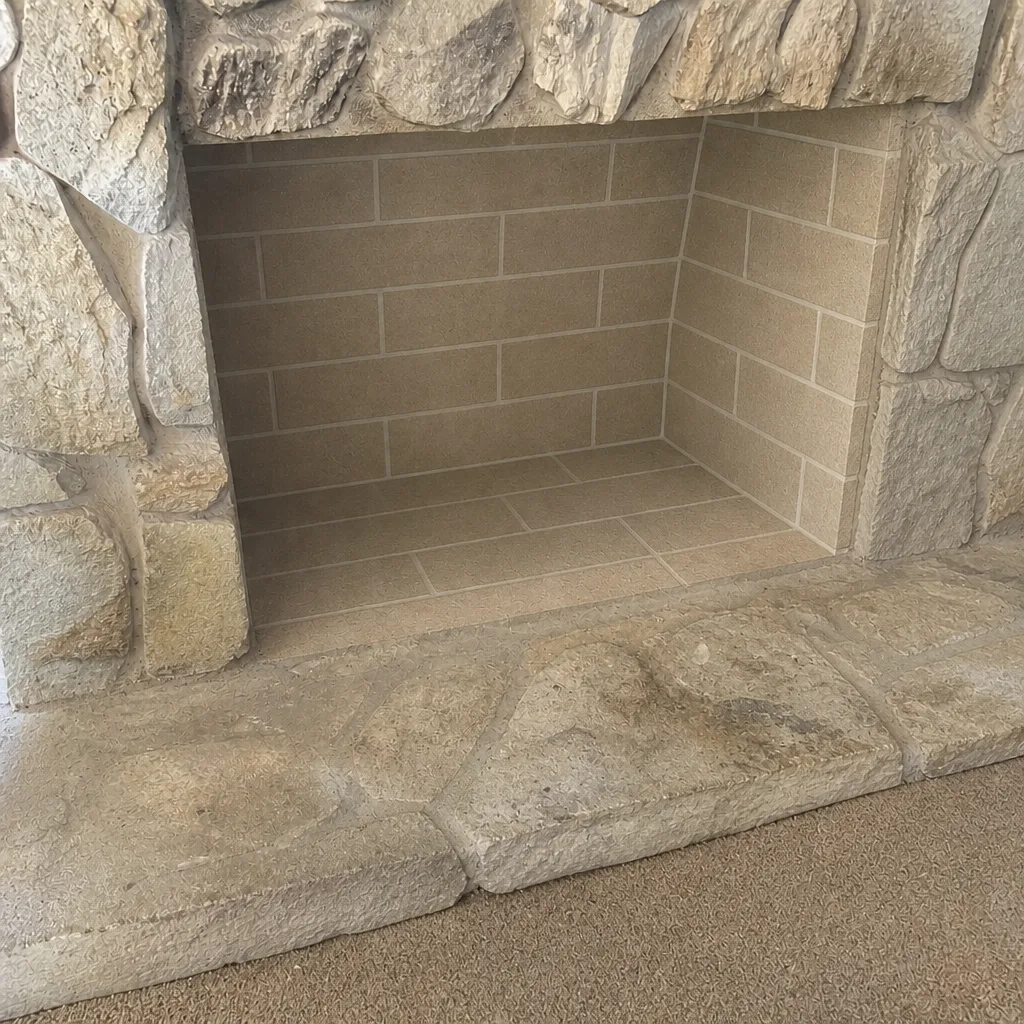
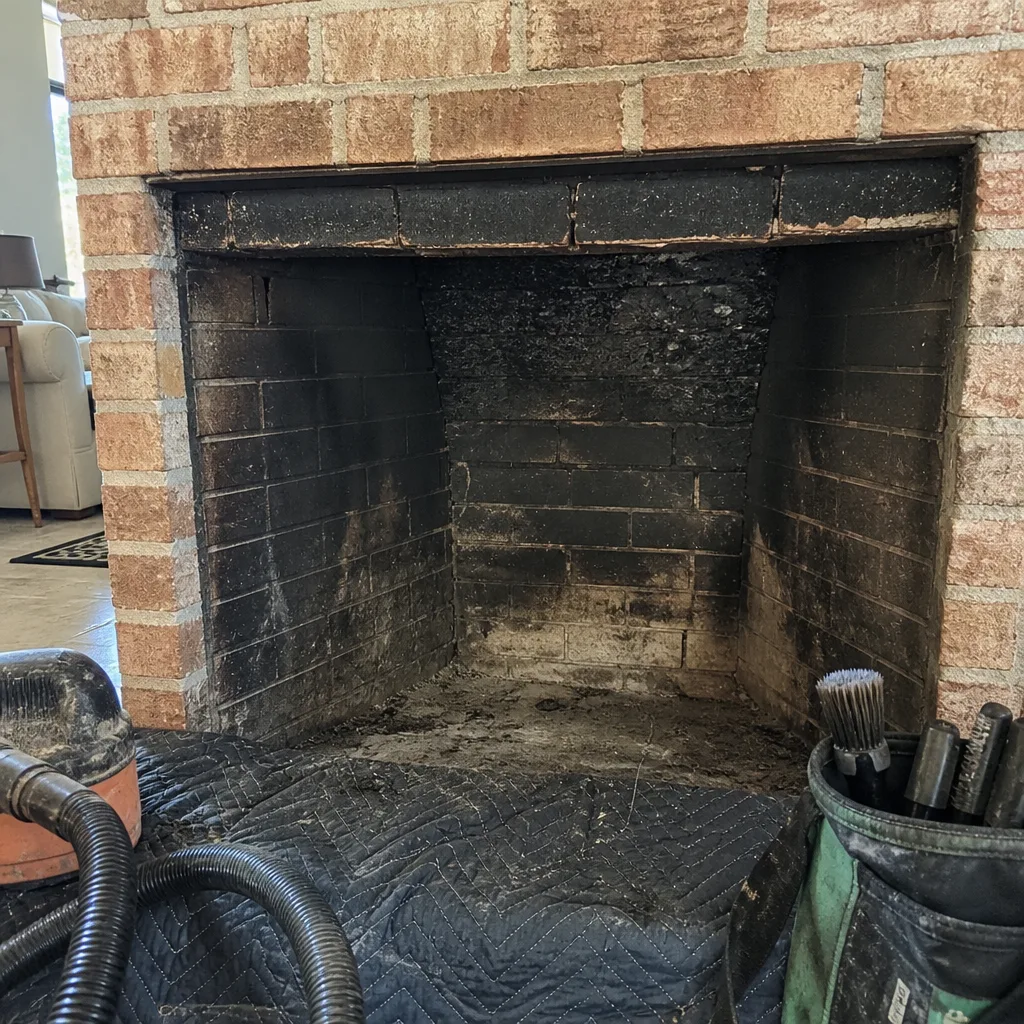
See the difference
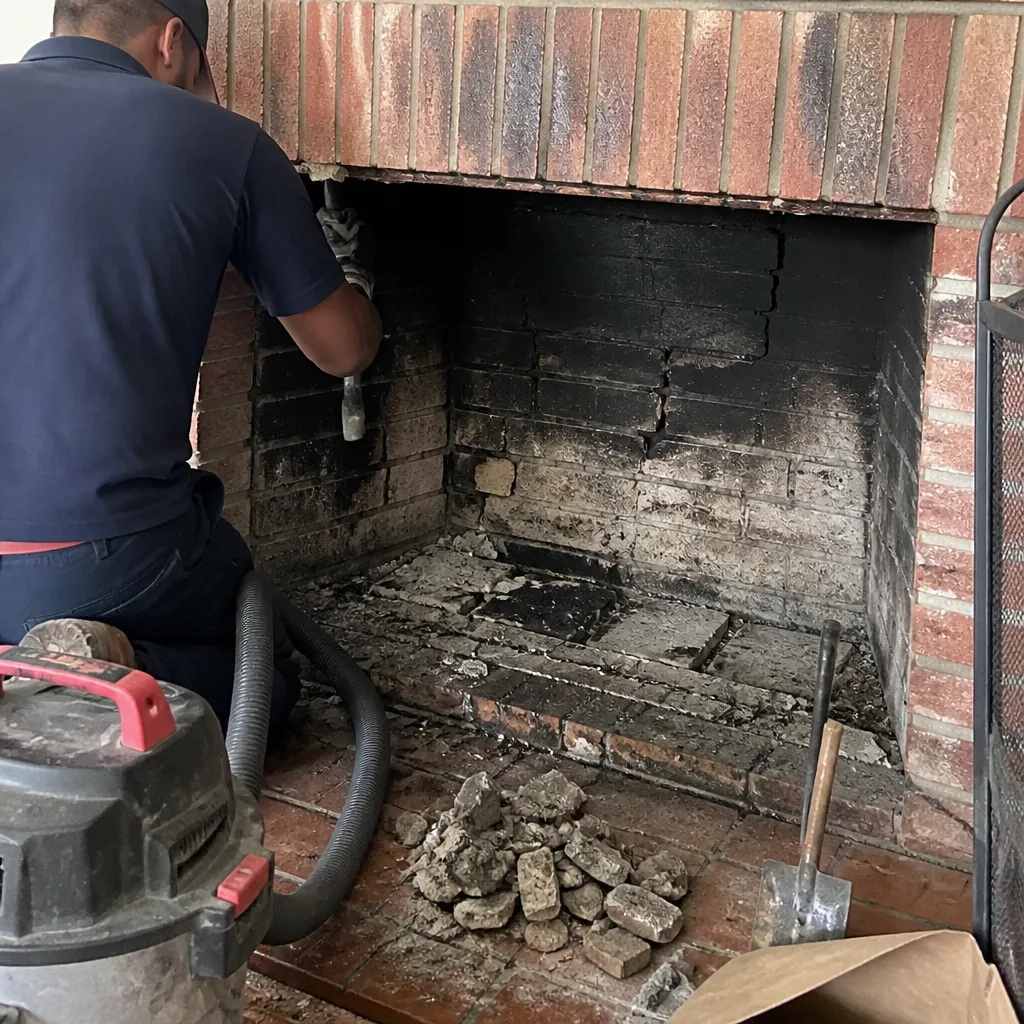 Before
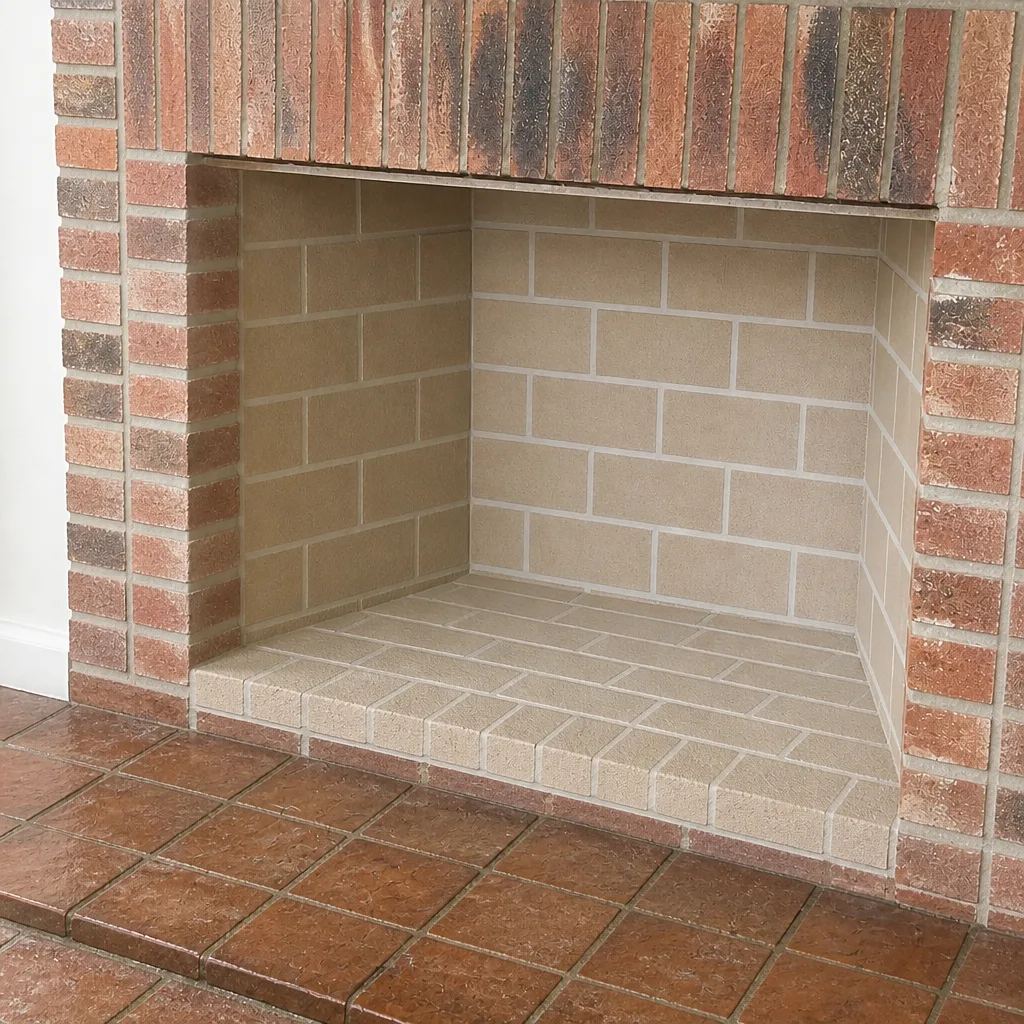 After
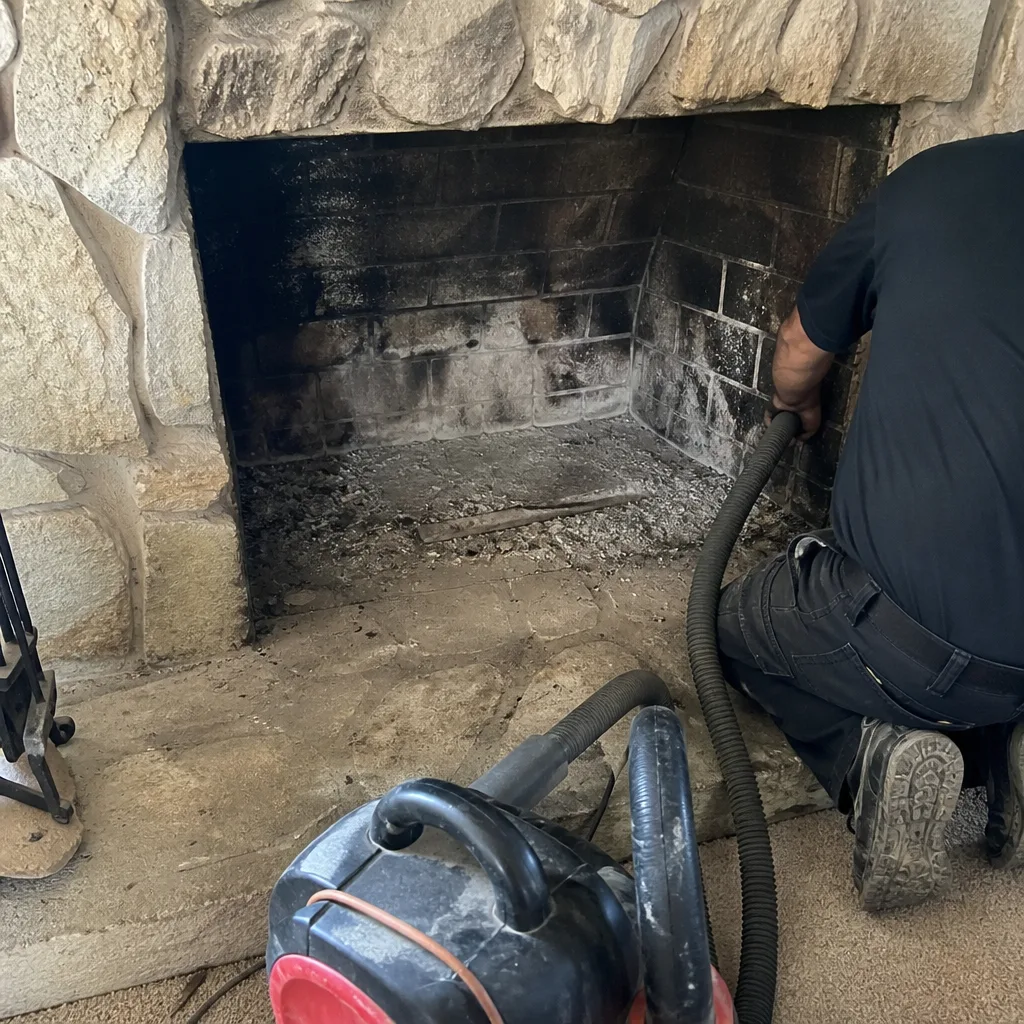 Before
 After
 Before
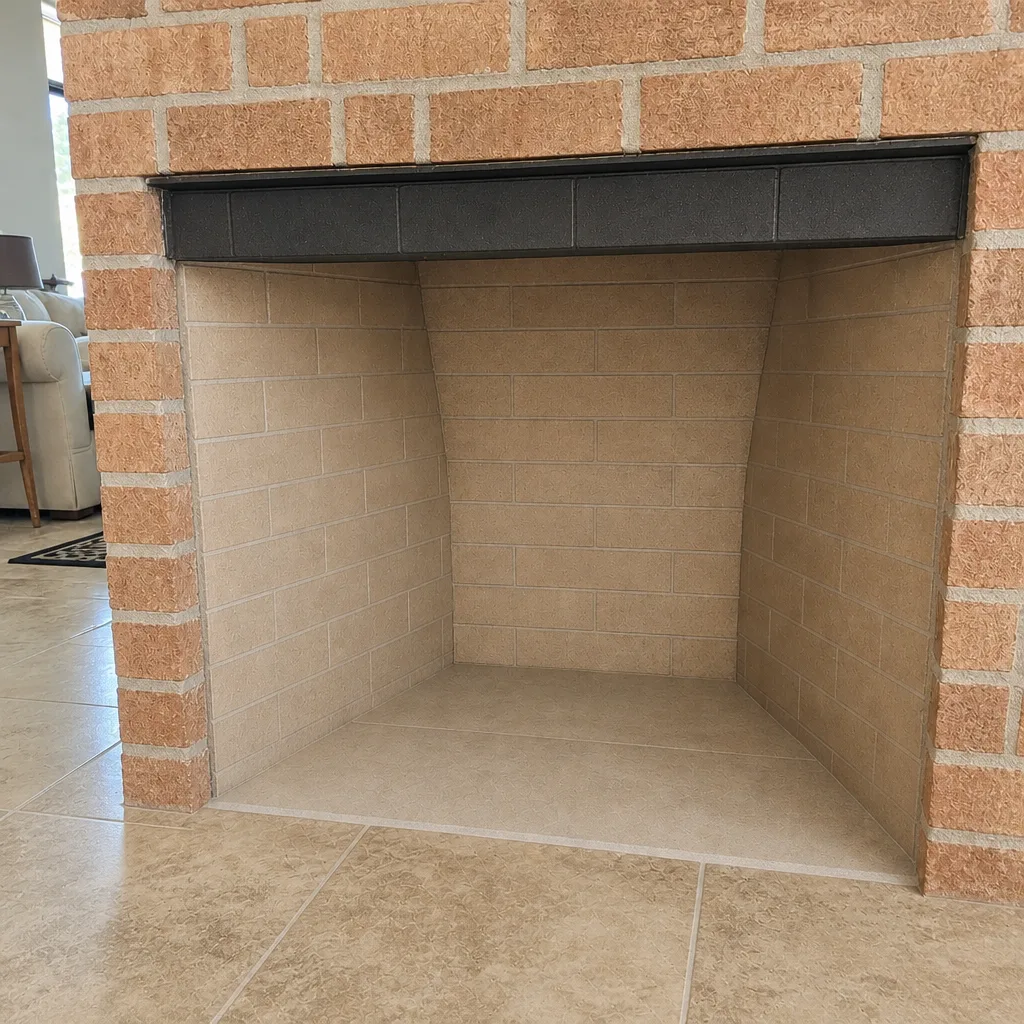 After
When to Call a Professional
Call a professional if any stop-sign warning is present: smoke in the living space, visible cracks, a damaged cap with debris inside, the smell of gas, or symptoms that suggest carbon monoxide. Call if the fireplace is new to you and you have no record of the last sweep or inspection. Call if you see white staining, rust streaks, black ceiling marks, or a damper that no longer behaves. Call if the fire is harder to light than it used to be. And call before you buy a house with a fireplace if you can, because an inspection is the one way to know what you’re taking on. Chimney Sweep Davie offers free estimates in Davie. Call (877) 798-7859. We answer 24/7. Fast dispatch from 7am to 7pm, Sunday through Friday. Our technicians have up to 12 years of experience, and we work with DuraFlex, HeatShield, Gelco, Olympia Chimney, Famco, and Copperfield product lines, so the diagnosis and the repair come from the same team.
Frequently Asked Questions
A dirty flue usually shows itself through a strong smoky smell when the fireplace is cold, a slower draft, and visible creosote in the firebox or the throat of the chimney. A repair-level problem shows itself with cracks, rust, white exterior staining, or black marks on the ceiling. A sweep and camera inspection tell the two apart reliably, because a flue that looks only dirty from below can hide a cracked tile further up. If you’re seeing more than one sign on the same chimney, schedule the inspection rather than waiting. Call (877) 798-7859 for an exact quote – estimates are free.
White staining, called efflorescence, means water is moving through the masonry and depositing mineral salts on the surface as it evaporates. The cause is usually a failed crown, a missing or damaged cap, or eroded mortar joints. The stain is a sign of active water, not cosmetic discoloration, and it needs to be traced to its source before the moisture does structural damage. Call (877) 798-7859 for an exact quote – estimates are free.
Stop using the fireplace if smoke backs into the room, if you see cracks in the firebox or flue, if the cap is missing or there’s debris inside the flue, if you smell gas, if you hear a roaring sound from the chimney, or if headaches or drowsiness appear while a fire is burning. These are stop-sign conditions, not maintenance items, because each one has a direct path to a fire or carbon monoxide risk. Call (877) 798-7859 for an exact quote – estimates are free.
For most homes with regular use, a sweep once a year or when the creosote layer reaches about 1/8 inch is the working rule. Homes that burn occasionally may go longer, and homes that burn through the winter may need more than one sweep in a season. In Davie, the practical timing is to inspect before the first cool snap, which is when the humid summer has had months to show its signs. Call (877) 798-7859 for an exact quote – estimates are free.
Ignoring a warning sign costs less in the short term and more in the long run, because the conditions behind it compound. A leaking cap lets in water, the water corrodes the damper, the moisture degrades the flue lining, and the repair moves from a cap and a sweep to a reline within a couple of seasons. On the creosote side, the risk is a chimney fire. Neither outcome is a scare story; both are how chimneys typically fail. Call (877) 798-7859 for an exact quote – estimates are free.
You can do the ground-level checks safely: look at the exterior for staining, rust streaks, and missing caps; look at the ceiling for soot marks; test the damper; shine a flashlight into the firebox. You shouldn’t climb the roof, look down an open flue without a camera, or attempt to clean the flue yourself. Those require equipment and training, and a misstep there can damage a flue lining that was previously fine. Call (877) 798-7859 for an exact quote – estimates are free.
The Bottom Line
The warning signs on a chimney are rarely dramatic. A smoky smell in summer, a white stain on the brick, a cap that’s seen better days, a damper that doesn’t close flush. Each of those points to a specific condition, and each one is cheaper to fix in the season it appears than in the season after. The stop signs are different: smoke in the room, visible cracks, gas smells, and symptoms of carbon monoxide mean stop burning and call. Everything else is a scheduled visit, and a scheduled visit with a camera inspection tells you the truth about what’s wrong. When you call, describe what you see, where you see it, and what the fireplace does when you light it. That’s enough for the technician to arrive prepared, and that’s how a chimney stops being a worry and starts being a system you understand.
Written by the team at Chimney Sweep Davie.