
Last updated November 16, 2026
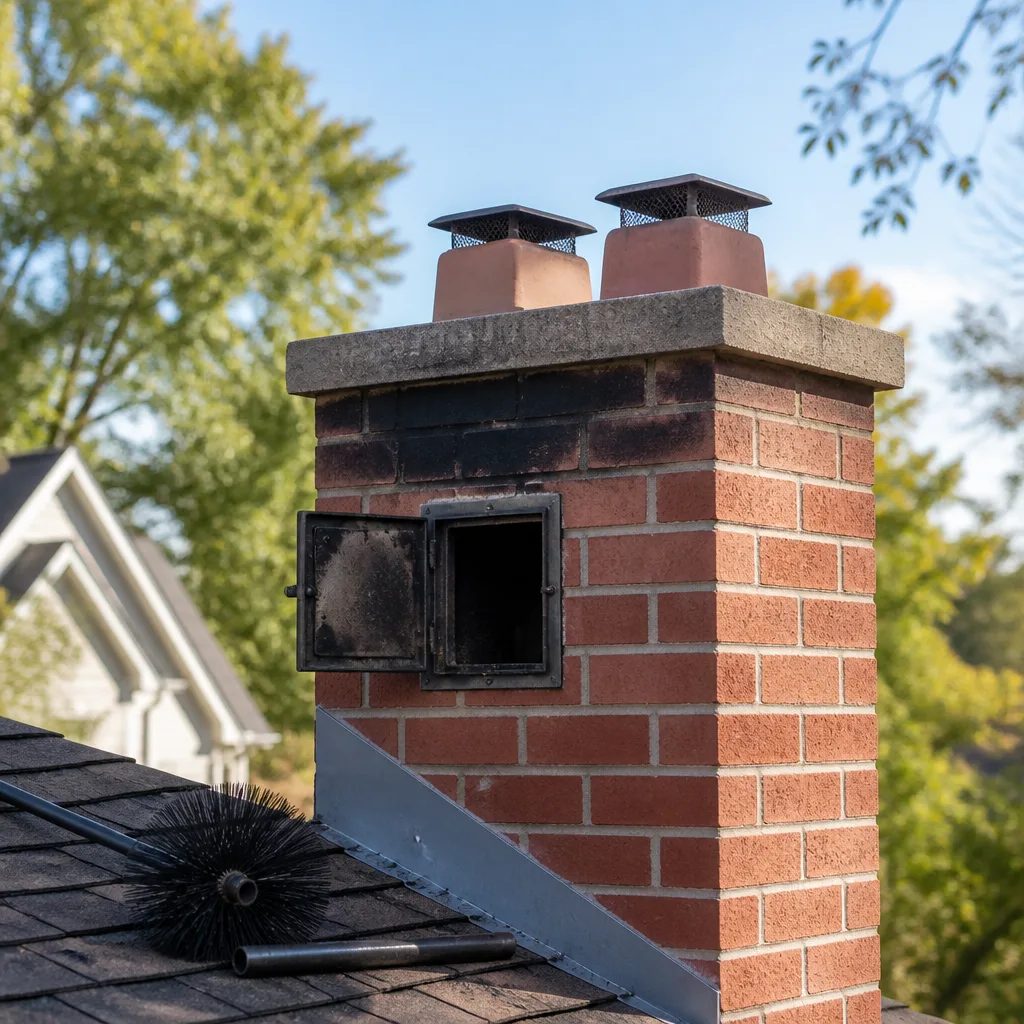 Sweep & inspection
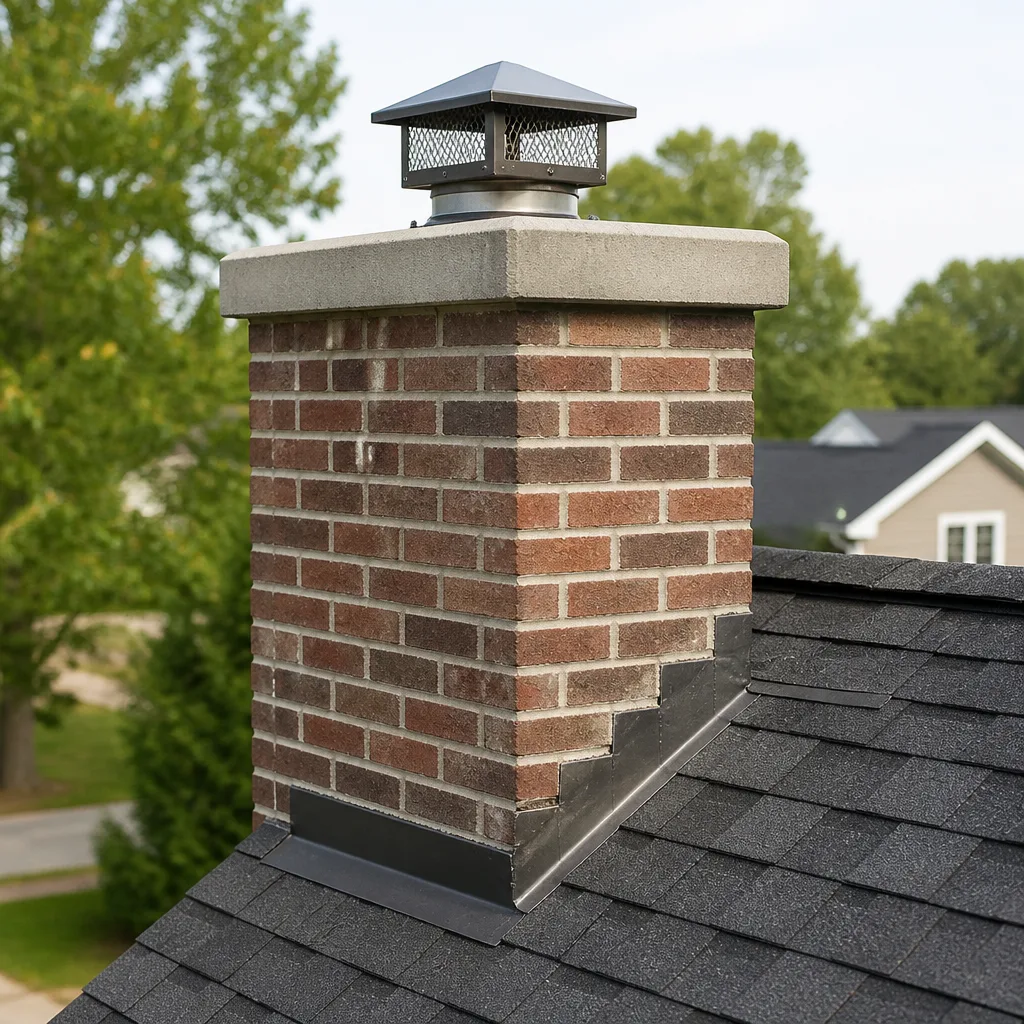 Caps & crowns
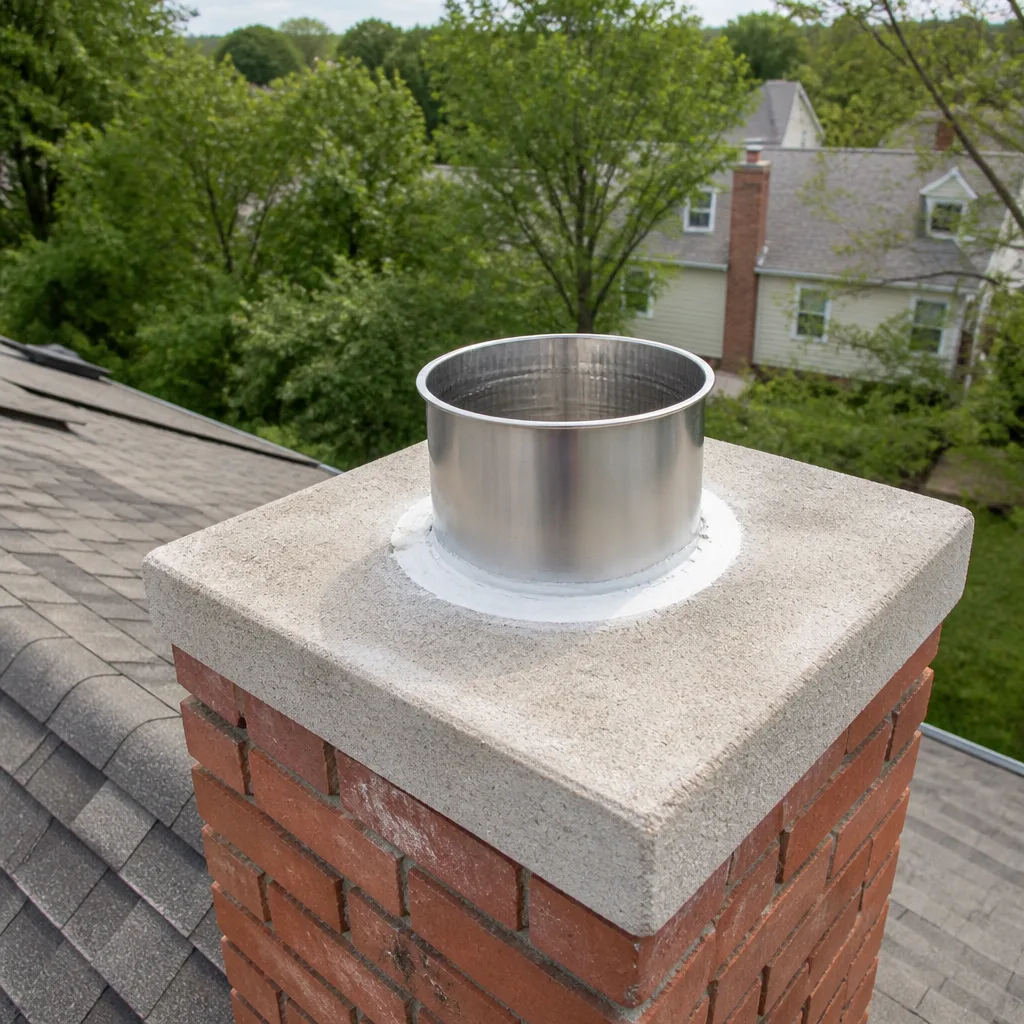 Flue relining
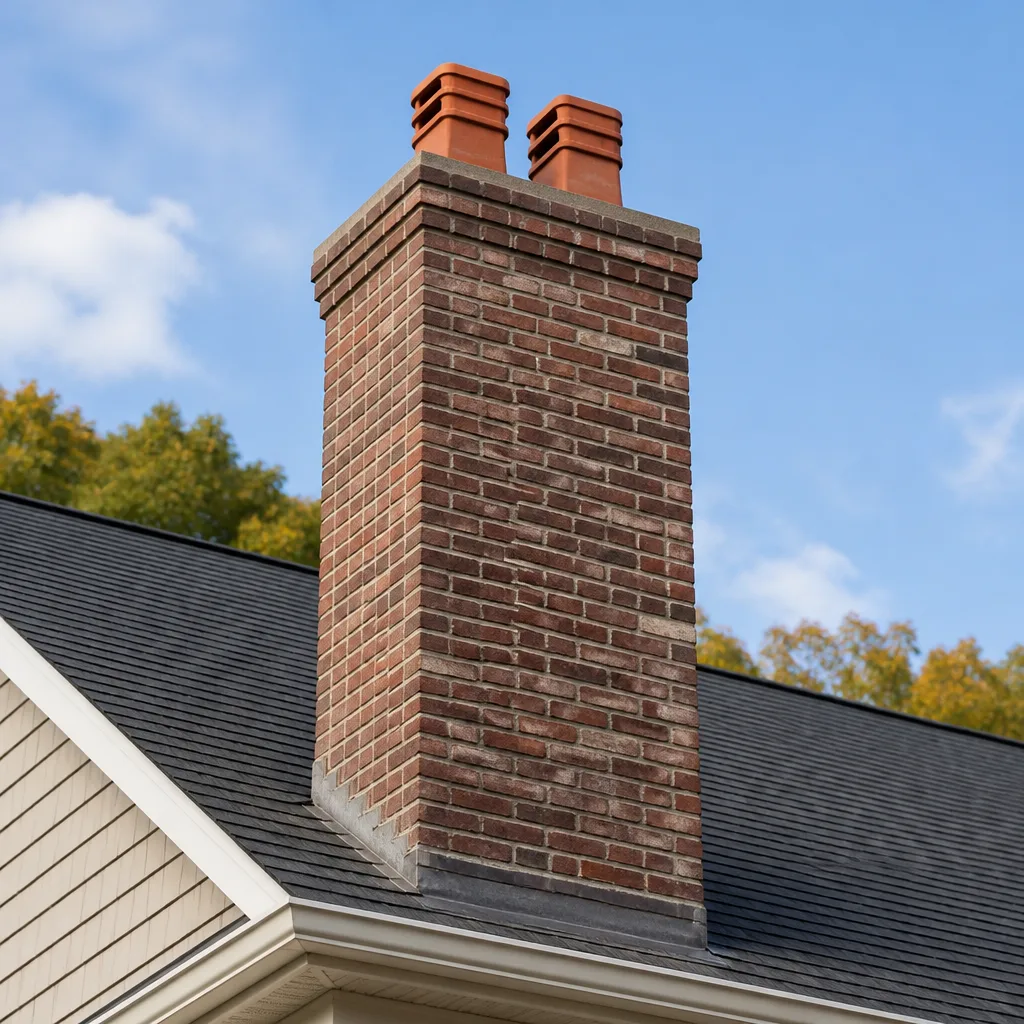 Masonry repair
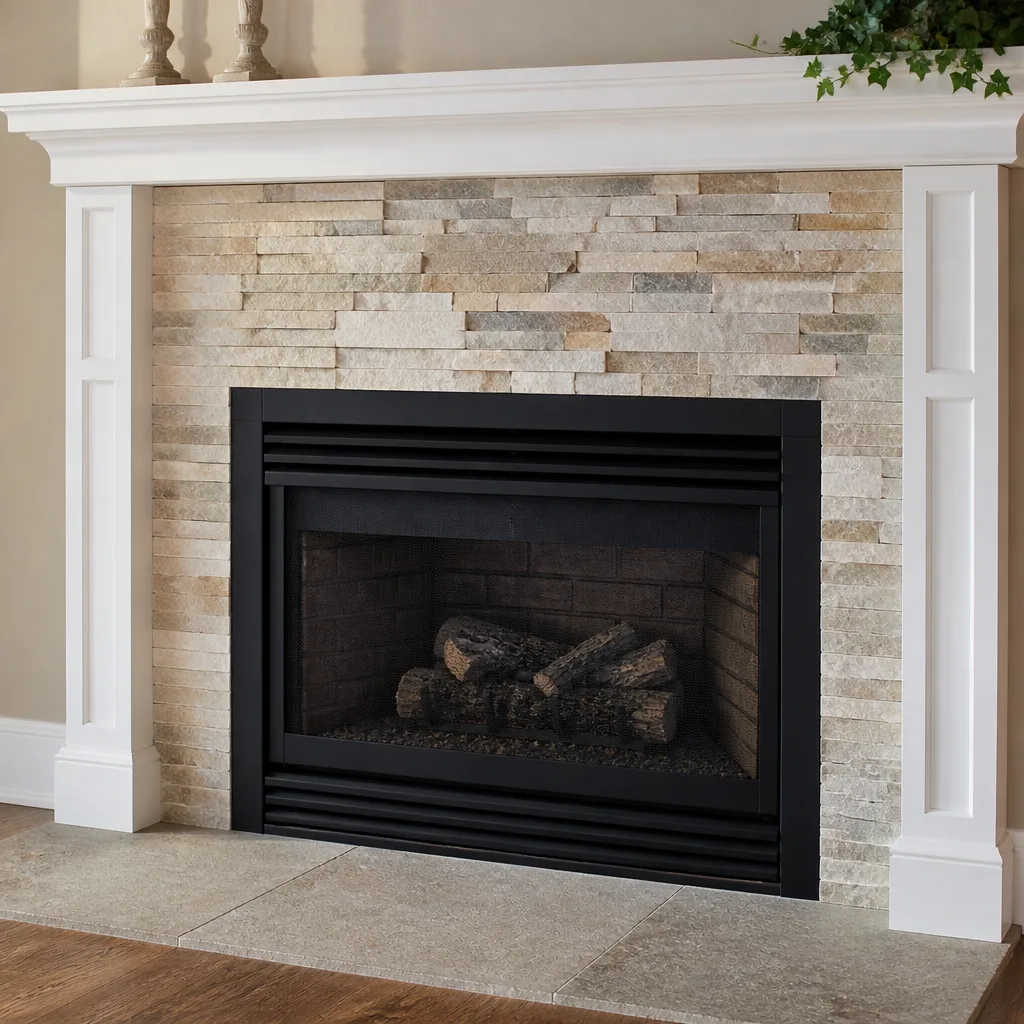 Gas fireplace service
Level 1 sweep and inspection to the NFPA 211 annual standard - flue, crown, cap, and flashing checked and photographed
Chimney sweep logs do not sweep chimneys. They loosen some creosote - which then falls where a brush and vacuum still have to collect it.
DIY vs Professional Chimney Cleaning: The Davie Homeowner’s Decision Guide
Most homeowners who ask whether they can clean their own chimney are asking the wrong question. It’s not whether you can learn to run a brush up a flue – you can. It’s what a brush leaves behind. Creosote forms in three distinct stages, and a consumer brush kit is built for exactly one of them. The other two stages don’t come off with bristles, and the damage underneath them often isn’t visible from the firebox. This guide breaks down what DIY actually removes, what a camera catches that your eyes can’t, the real safety risks in Davie homes, and the narrow set of cases where doing it yourself between professional visits genuinely makes sense. By the end you’ll know which side of that line your chimney sits on.
Quick Answer
A homeowner with the right brush kit and a straight flue can remove light, flaky creosote, but can’t verify whether Stage 2 glaze or Stage 3 glazed crust has formed higher up, can’t inspect the liner with a camera, and can’t confirm the damper sits correctly after reassembly. Professional cleaning pairs the sweep with an inspection by a trained technician who recognizes early liner damage and combustion byproduct type. Most Davie homeowners are better served by a combined professional sweep-and-inspect than by a DIY attempt followed by a paid inspection anyway.
Styles & brands we work with
- Sweep & inspection
- Caps & crowns
- Flue relining
- Masonry repair
- Gas fireplace service
Table of Contents
- The Three Creosote Stages and What a Brush Kit Actually Removes
- The Inspection Gap: What You Can See vs What the Camera Sees
- The Real Safety Risks of DIY Cleaning Done Wrong
- When DIY Between Professional Visits Actually Makes Sense
- Total Cost: DIY Plus a Required Inspection vs a Combined Sweep
- Davie-Specific Considerations: Climate, Housing Stock, and Burn Habits
- What to Look For in a Davie Chimney Sweep
The Three Creosote Stages and What a Brush Kit Actually Removes
Creosote isn’t one substance. It’s a family of combustion byproducts that build up in the flue at different densities depending on how the fire burns, how much moisture is in the wood, and how much draft the chimney pulls. The industry classifies it in three stages, and the stage determines what tool removes it – or whether a brush can touch it at all.
- Stage 1: flaky, soot-like deposit. A soft, granular layer that looks like fine ash or black flakes. A standard poly brush kit removes this without much trouble. It’s the deposit most DIY homeowners are actually dealing with when their flue looks “sooty” from below.
- Stage 2: tar-like glaze. A denser, shiny, sticky layer that forms when the fire runs cool or the wood is wet. Standard brushes skate over it rather than cut it. It often requires chemical treatment or a rotary cleaning tool with a specific head, and a trained eye to judge how deep it goes.
- Stage 3: hardened glazed crust. A rock-hard, fuel-rich coating fused to the liner. A poly brush will not remove it in any practical sense. It has to be broken down with specialized equipment or, in severe cases, addressed through HeatShield resurfacing or relining work because the liner surface itself is compromised.
Consumer brush kits are designed for Stage 1. That’s the honest limit of the tool. If your flue is in Stage 2 or 3, brushing at it yourself doesn’t reduce the fire risk – it may harden the surface further or push material into places you can’t reach. In a humid climate like we have in Davie, cool-burning fires are common because the burn season is short and wood often sits for months between uses. That combination tends to produce Stage 2 buildup more often than homeowners expect.
We work with chimney sweep equipment that’s matched to the creosote stage, not one kit that assumes the best case. That’s the practical difference between a brush in a bag and a sweep that actually clears the flue.
The Inspection Gap: What You Can See vs What the Camera Sees
From the firebox opening, a homeowner can see maybe the first three to four feet of the flue on a straight run. On anything with an offset, a smoke shelf, or a damper assembly, that number drops fast. The bulk of the flue, the smoke chamber, and the top of the liner are effectively invisible without looking from above or running a camera.
Here’s what a camera reveals that the firebox never will:
- Mid-flue liner cracks and gaps. Hairline separations in clay tile liners, or voids in a pumice or cast-in-place liner, that don’t show from below. These are the entry points for heat and carbon monoxide into the structure of the house.
- Smoke chamber condition. The corbeled transition between the firebox and the flue is where a lot of early deterioration starts. It’s also where creosote tends to accumulate in a way a brush alone can’t clear.
- Offset ledges and shoulders. Any bend in the flue creates a shelf where deposits settle and where a brush can ride past without touching.
- Crown and top-plate condition. Water entry, cracked crown mortar, and a rusted or missing cap all show up from the top and are frequently the root cause of what looks like a mysterious draft problem.
- Flue sizing per appliance. A wood fireplace, a gas insert, and a wood stove each need a specific flue size to draft correctly. A camera pass confirms what’s actually installed versus what the appliance needs.
A trained technician doesn’t just point the camera and take pictures – they read what the pictures mean. A cracked tile in a masonry liner is one thing; a cracked section in a manufactured liner is another. The remedy differs completely. Our technicians have up to 12 years of experience reading those signs, and when we find a compromised section, we work with DuraFlex flexible liner systems or HeatShield resurfacing to fix it properly rather than brush past it.
If you’re considering one of our chimney repair visits, the camera inspection is where the conversation actually starts. Nothing gets recommended that the homeowner can’t see for themselves in the photo record.
The Real Safety Risks of DIY Cleaning Done Wrong
The fire risk from skipping a sweep is well known. The specific risks introduced by cleaning your own chimney incorrectly are less discussed, and they’re worth taking seriously before you decide to give it a try.
Dislodging a blockage without containment. A clogged flue, a bird nest, or a collapsed tile section is often held in place by pressure and soot. Running a brush up from the firebox can break that loose and drop it – into the smoke chamber, onto the damper, or onto the top of the firebox floor. Without drop cloths, negative-air containment, and a shop vacuum rated for fine soot, that material ends up in the room, on furnishings, and into the HVAC return. Worse, a partially dislodged nest high in the flue can shift to a narrower point and make the draft problem worse than it was.
Missing a cracked liner section. This is the one that matters most. A poly brush will happily pass a hairline crack without any indication. The chimney will still draft, the fire will still burn, and the homeowner has no reason to suspect anything. But that crack is now a path for hot gases and carbon monoxide into wall cavities and attic spaces. The only way to know is to look with a camera and recognize what you’re seeing.
Improper damper reassembly. Many damper assemblies come out or hinge open to allow rod access. If the damper frame isn’t reseated square, or a hinge pin is dropped, the damper either won’t close fully (heat loss and constant cold draft into the house) or won’t open fully (restricted draft and smoke spillage into the room). A technician checks damper operation before leaving the site. A DIY homeowner often doesn’t know to.
There’s also the ladder work. Chimney tops on Davie’s single-story and two-story homes are frequently on pitched roofs, sometimes with tile or shingle surfaces that give uncertain footing. Falling from roof height is a genuine hazard, and it’s the reason we recommend a trained professional handle any roof-level work even on the DIY question – the flue brush is the smaller risk.
When DIY Between Professional Visits Actually Makes Sense
There is a legitimate place for homeowner maintenance between professional visits. It’s narrow, but it’s real, and we’d rather be straight about it than pretend the only answer is “call us.”
The scenario where DIY makes sense looks like this:
- You’ve had a professional sweep and inspection within the last 12 months and the report confirms the liner is intact, the flue is properly sized, and the stage of buildup was Stage 1.
- Your burn volume is modest. If you burn a cord or less per season, or you’re running a gas insert with an occasional decorative fire, the creosote load is low and a homeowner can keep up with surface soot between annual sweeps.
- The flue is straight and accessible from the firebox. A straight vertical run with a cleanout at the bottom or easy top access through a safe roof path is the only configuration where homeowner cleaning is even practical.
- You’re not going onto the roof. If the top of the flue can only be reached by climbing, stay off the roof. DIY stops at the bottom of the flue in that case, and even then only for surface soot.
- You keep a sweep-and-inspect appointment on the calendar regardless. The DIY pass is additive maintenance, not a replacement for the annual visit. The camera inspection is what confirms the liner is still sound.
What DIY does not cover, in that scenario or any other: relining decisions, damper and cap inspection, crown condition, smoke chamber cleaning, chimneys that run gas appliances, anything with an offset, and anything showing Stage 2 or Stage 3 buildup. Those are specialty calls, and the whole point of a purpose-built sweep is that the same visit handles diagnosis and cleaning together. The team that inspects is the team that sweeps, and if repair is needed, the same team handles it with DuraFlex or HeatShield materials rather than handing it off.
Total Cost: DIY Plus a Required Inspection vs a Combined Sweep
Here’s where the economics stop favoring DIY. A homeowner who decides to sweep their own chimney still needs a professional inspection to confirm nothing is cracked, blocked, or mis-sized. That inspection appointment costs money regardless of who did the brushing. So the honest comparison isn’t “DIY cost vs sweep cost” – it’s “DIY kit plus inspection” vs “combined sweep and inspection.”
Line-item comparison for a typical Davie single-flue home:
- Consumer brush kit (brush, rods, drop cloths, shop vacuum): typically $60-$200 depending on flue size, rod length, and quality. This is a one-time purchase you can amortize across a few seasons.
- Professional chimney inspection (camera, written report): typically $150-$350 for a Level 2 inspection, which is the level that includes a camera scan of the flue. You still need this even if you did the brush work yourself.
- Combined professional sweep plus inspection: typically $200-$420 for a single-flue home, with the inspection report included. The two tasks share one visit and one technician dispatch.
- Damper or cap replacement, if needed: priced per job on a written estimate; the inspection determines whether it’s needed at all.
- Liner repair or relining, if the camera shows damage: priced per job by written estimate based on the length and material of the reline. HeatShield resurfacing for cracked clay is one route; a DuraFlex liner for more extensive deterioration is another. Neither is ever quoted before the camera evidence is shown to you.
Add those numbers up and the DIY-plus-inspection route is only marginally cheaper than the combined professional visit in year one, and it’s more expensive in year two once the kit is amortized but the inspection is still required. The professional visit also delivers a written record – useful if you’re buying or selling a home in Davie, or if a future insurance question comes up. Call (877) 798-7859 for an exact quote on your chimney; estimates are free, and the written estimate sets the final price.
One more thing on cost: nothing about the price changes based on the stage of the job or the day you book. The written estimate is the price.
Davie-Specific Considerations: Climate, Housing Stock, and Burn Habits
Chimney condition varies by climate and how the home is built, and Davie has a specific combination that shapes what we find in local flues.
- Short burn season, long idle periods. Most homes here run the fireplace only in the coolest stretch of winter. That means fires tend to be less frequent but also less hot – the wood sits longer, gains moisture in our humid air, and burns cooler. Cooler fires produce more Stage 2 tar-glaze than hot, dry fires do. Homeowners who think they’re “not burning enough to need a sweep” are often the ones with the more stubborn deposit type.
- Humidity and moisture in stored wood. Wood stored outdoors or in a garage through a Davie summer picks up moisture that would be unusual in drier climates. A moisture meter on the firewood and a hot fire after a purchase of dry wood go a long way toward reducing Stage 2 formation. An inexpensive moisture meter is one of the most useful homeowner tools for chimney health.
- Stucco and tile exteriors with painted metal caps. The mixed building stock around town – from older ranch homes to newer construction in neighborhoods like Pine Island Ridge and Cooper City-adjacent developments – means we see a lot of chimneys with painted metal rain caps that have begun to fail, and stucco crowns that have cracked. Neither is dangerous on its own, but both let water in, which damages the liner over time. Cap and crown checks belong in the inspection.
- Attic insulation and chase construction. Many local homes are single-story with the chimney running through an interior chase alongside attic insulation. That construction makes liner cracks a more sensitive topic, because a compromised liner routes gases into a space that’s easy to overlook. This is the specific reason we push camera inspection as the default here rather than an upgrade.
- Gas insert prevalence. A good number of homes have converted wood fireplaces to gas inserts. Gas generates its own venting issues – particularly around the venting type and clearance – and it’s not a “nothing to sweep” appliance. Inserts need annual inspection too, though the cleaning scope differs.
If you’re booking a sweep in Davie, ask whether the technician is familiar with this mixed building stock and can advise on caps and crowns as part of the visit. Call (877) 798-7859 to schedule. We answer 24/7. Fast dispatch from 7am to 7pm, Sunday through Friday.
What to Look For in a Davie Chimney Sweep
Not all sweep visits are equal, and the questions to ask before booking are worth a two-minute call. Here’s what separates a proper sweep from a quick brush-and-go:
- Camera inspection is included, not quoted as an upgrade. If a company advertises sweeping without any mention of camera inspection, you’re paying for the part a homeowner could have done themselves.
- The sweeping and the diagnosis are done in the same visit. A company that sweeps now and hands off to “someone who does repairs” is a pass-through, not a specialist. Ask directly whether the technician who inspects is the same one who would recommend relining or resurfacing, and whether the same company performs that work.
- Familiarity with professional-grade product lines. A chimney specialist works with systems like DuraFlex and HeatShield because those materials are engineered for chimney flues specifically. A general handyman with a generic drop-in liner isn’t the same thing. Ask what product line they’d use for your flue type.
- Written estimate with photo record. Any recommendation larger than a sweep should be backed by photos from the camera pass, and a written estimate that clearly separates what’s urgent from what can wait. Nothing should be recommended that the homeowner can’t see.
- Clear scope boundaries. A chimney specialist handles chimney inspection, sweeping, and repair. If a company also offers to fix your gutters and remodel your bathroom, the chimney isn’t their specialty. Look for a chimney-only business.
- Damper operation verified before the visit ends. Ask that the technician confirm the damper opens and seals properly after any brushing, and that you see it tested.
We work with the full arc of chimney work – inspection, sweep, and repair – under one company, using product lines from DuraFlex, HeatShield, Gelco, Olympia Chimney, Famco, and Copperfield. The reason that matters for a Davie homeowner is simple: the person who diagnoses your chimney is the same one who maintains it and, if needed, restores it. No handoff, no second visit, no conflicting recommendations.
Common Mistakes to Avoid
- Buying a consumer brush kit without checking the flue size. A brush that’s too small leaves deposit on the walls; too large gets stuck. Measure the flue interior at the firebox before ordering, and check the flue at the top too, since some Davie chimneys change dimension mid-run.
- Brushing a Stage 2 or Stage 3 flue. If the buildup looks shiny, sticky, or hard, a brush will not remove it, and it may push partially dislodged material into the smoke chamber. Call for a professional opinion instead of spending an afternoon fighting it.
- Skipping the roof-level inspection because “the fire burns fine.” A chimney can draft acceptably with a cracked liner for a long time before anything shows inside. Cap condition, crown cracks, and liner deterioration all sit outside the firebox view.
- Cleaning a chimney serving a gas insert as if it were wood. The venting clearances and the cleaning scope differ. Using a wood-brush kit on a gas insert flue can damage the venting.
- Assuming a wetter or greener firewood is fine. Wood stored outdoors in Davie’s humidity gains moisture. A moisture meter reading above 20% means the wood isn’t ready and will produce more Stage 2 buildup next season.
- Forgetting the damper check. After any brush work, verify the damper opens fully, closes fully, and seals. A partially seated damper lets heat out all summer and lets cold air in.
- Skipping a professional visit entirely because you did a DIY pass. The homeowner can remove Stage 1 and call it a success. Only an inspection confirms the liner is intact and the flue is sized right for the appliance.
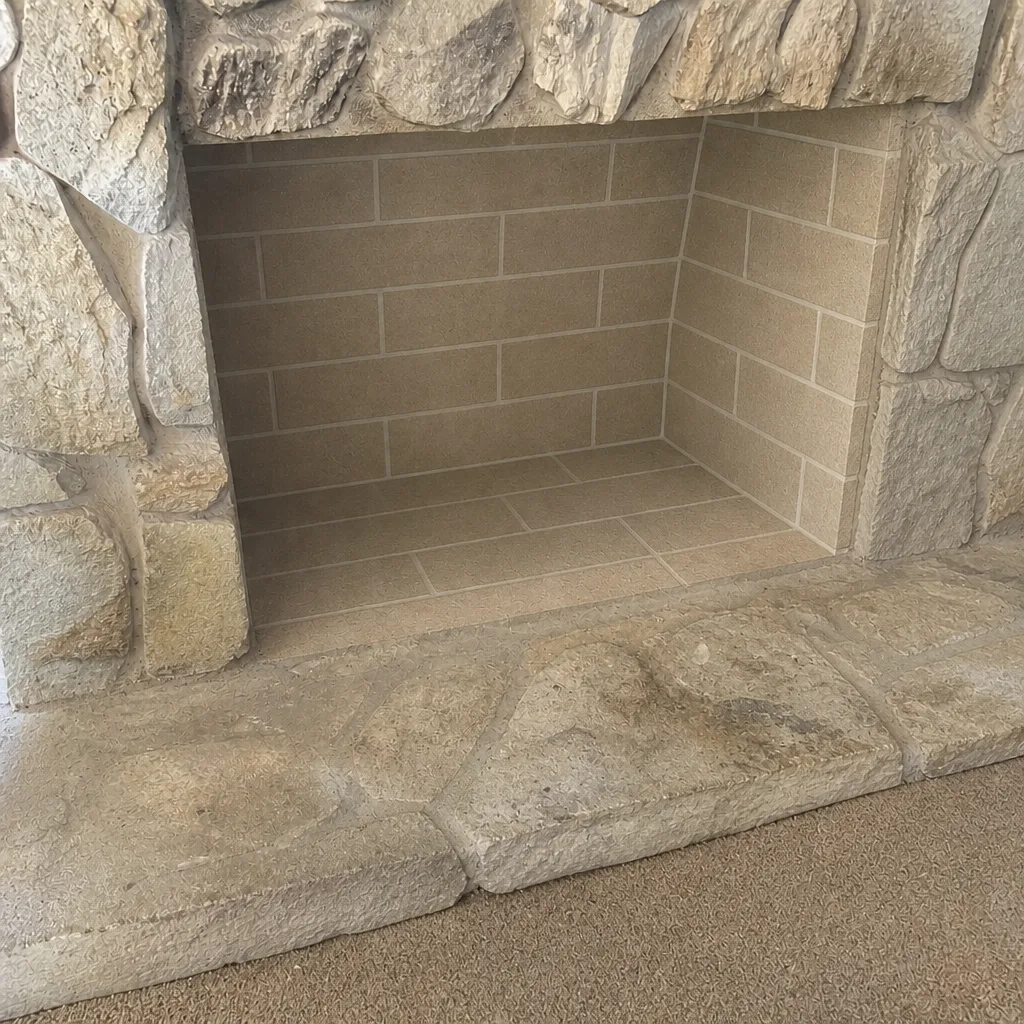
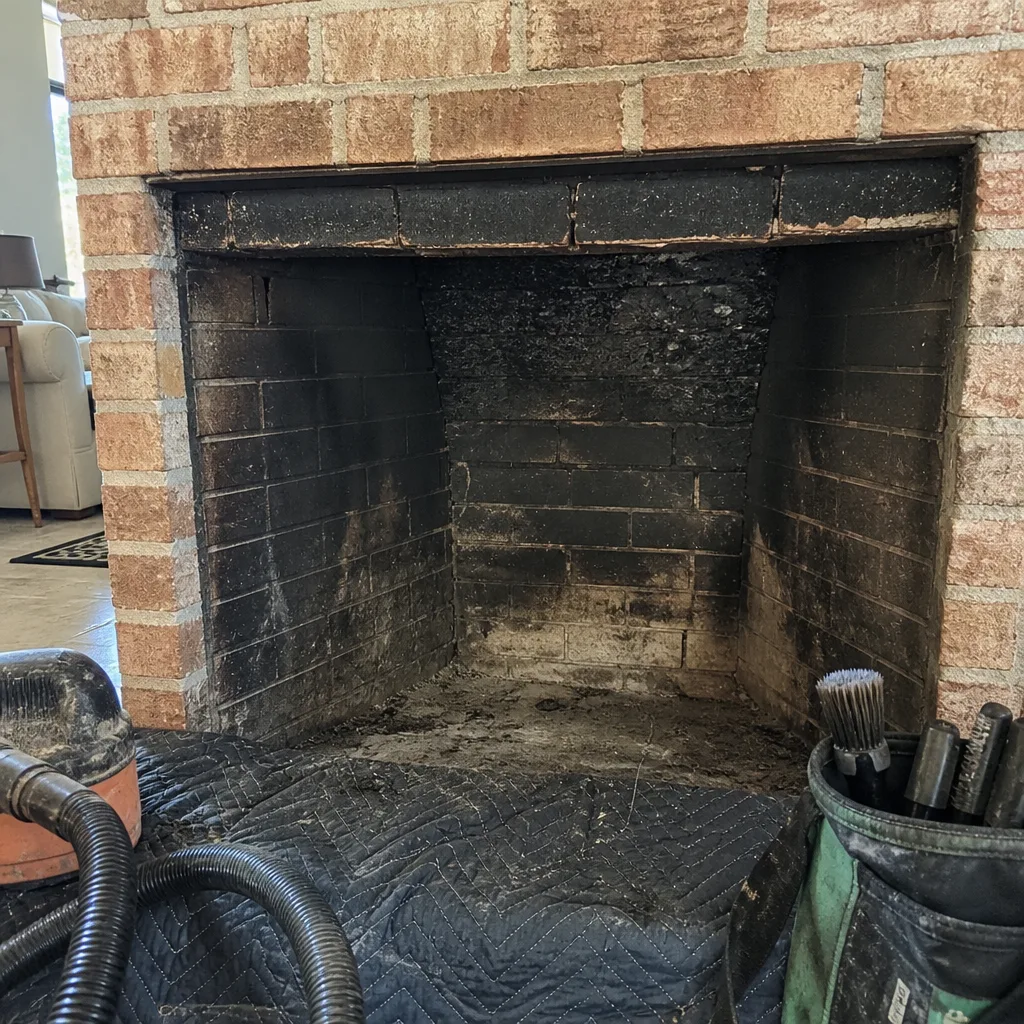
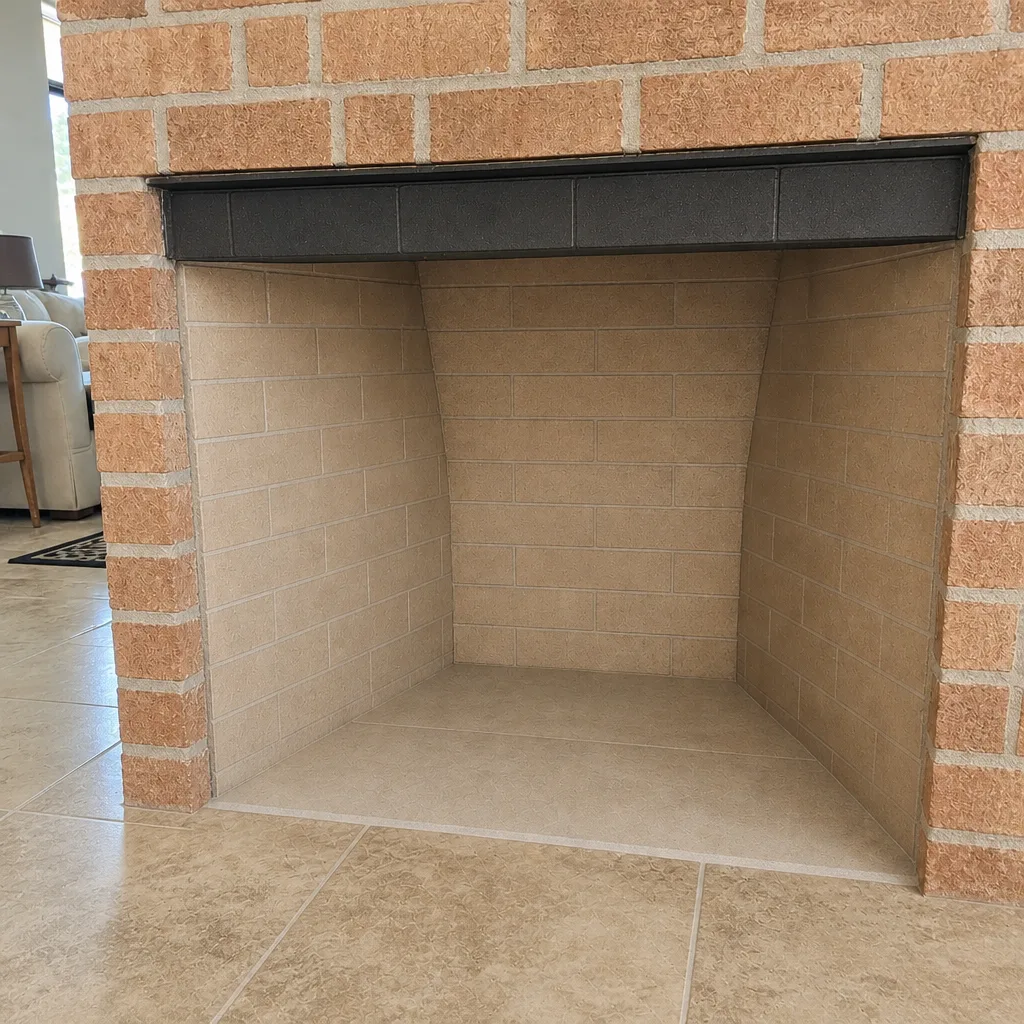
See the difference
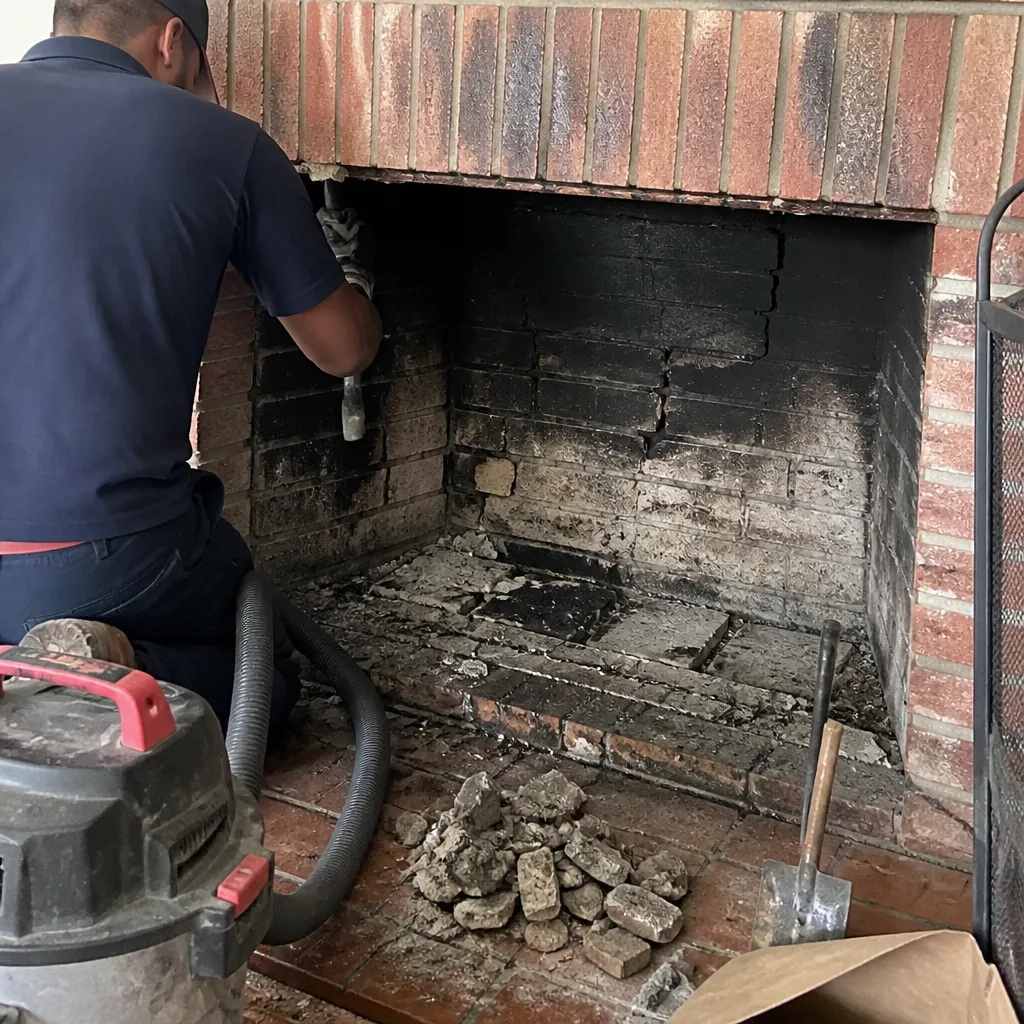 Before
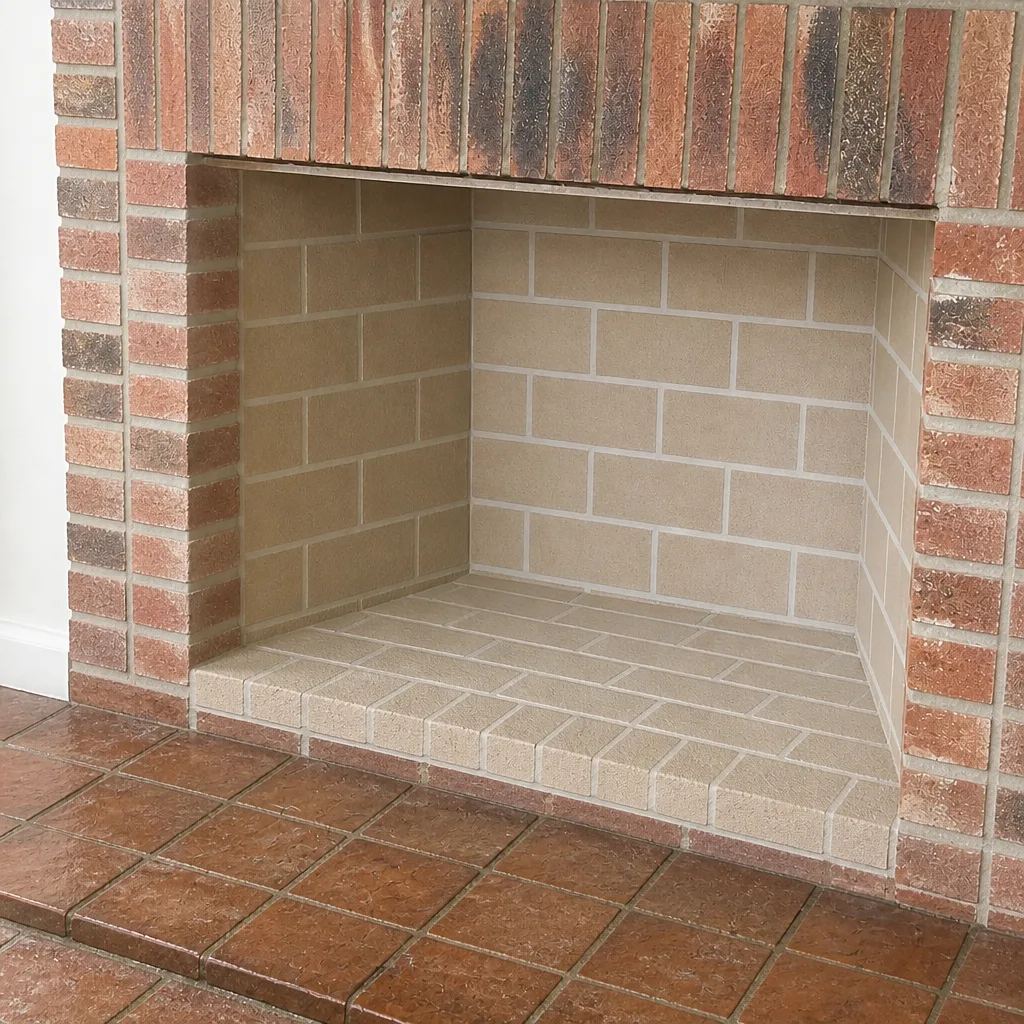 After
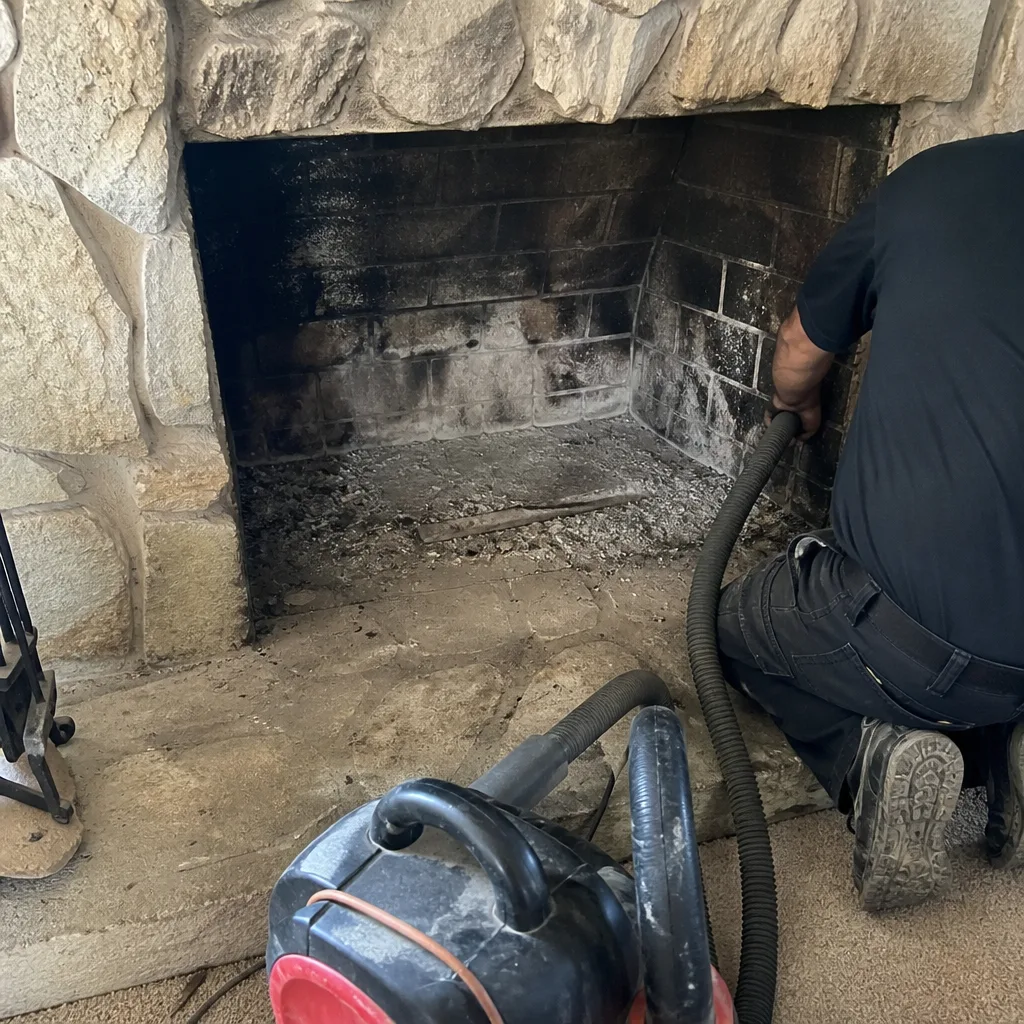 Before
 After
 Before
 After
When to Call a Professional
Call a professional sweep when any of these apply: you haven’t had the chimney inspected within the last 12 months, the fire has ever run smoky or backed up into the room, the flue shows any shiny or hard deposit, the home has changed ownership since the last inspection, the appliance was replaced or converted (wood to gas or gas to wood), the cap or crown has visible damage, or your firewood has ever been stored uncovered through a Davie summer. Any of those alone is a good reason to book. Two or more, and the chimney should be inspected before the next fire. Chimney Sweep Davie offers free estimates in Davie – call (877) 798-7859. Our technicians have up to 12 years of experience and work with the DuraFlex, HeatShield, Gelco, and Olympia Chimney product lines so any repair is matched to the flue you actually have. A chimney inspection isn’t a formality – it’s how we find the problem before it becomes a fire risk.
Frequently Asked Questions
A combined professional sweep and inspection on a typical single-flue home in Davie runs roughly $200-$420, and the written estimate sets the final price. The range covers a standard flue with normal Stage 1 buildup and a camera inspection with a photo record. Heavier deposits, additional flues, or repair work are quoted per job after the inspection. Call (877) 798-7859 for an exact quote; estimates are free.
You need a new liner only if a camera inspection shows your current liner is cracked, deteriorated, or improperly sized for the appliance – not because a chimney needs one on principle. We don’t recommend relining without camera evidence you can see yourself. Clay tile cracks that are limited in scope can sometimes be addressed with HeatShield resurfacing rather than a full DuraFlex reline. If the liner is intact and correctly sized, you don’t need one, and we’ll say so. Call (877) 798-7859 to book the inspection that answers it.
Most wood-burning chimneys should be inspected annually and swept when the deposit reaches about an eighth of an inch on the flue walls – which for many Davie homes works out to every one to three years depending on burn volume and wood moisture. Gas inserts should be inspected annually as well. The homeowner can’t measure a quarter-inch of creosote on a flue wall from the firebox; a technician can. Call (877) 798-7859 to schedule an inspection and sweep together.
Creosote builds up in the flue until it can ignite, causing a chimney fire that can damage the liner and, in severe cases, spread into the structure of the house. Even before that point, restricted draft can push carbon monoxide into the living space if the liner has cracked. Neither outcome is guaranteed by skipping a season, but the risk climbs with each unburned season of deposit. If it’s been more than a year, book an inspection now by calling (877) 798-7859.
No – the homeowner can brush out Stage 1 surface creosote, but only a camera inspection confirms the liner is intact, the flue is correctly sized, and the smoke chamber and cap are in condition. Skipping the inspection means flying blind on the part that actually determines fire and carbon monoxide risk. The most economical approach is a combined professional sweep and inspection; call (877) 798-7859 and ask for both in one visit.
Yes, and in a way that usually surprises homeowners. Many Davie homes have a chimney running through an interior chase near attic insulation, which means a cracked liner is harder to spot and more dangerous if it goes unrecognized. That construction makes camera inspection the sensible default here rather than a nice-to-have. If your home was built before insulated chimney chases were standard, the inspection matters more. Call (877) 798-7859 to book one.
The Bottom Line
DIY chimney cleaning is a real option for one narrow case: a straight, accessible flue in a home that’s had a clean inspection within the last year, with Stage 1 buildup only, brushing from the bottom of the flue, with a professional sweep-and-inspect booked anyway. Outside that box – meaning most homes in Davie – the brush is the easy part and the inspection is the part that protects the house. A consumer kit can remove soot. It cannot recognize a cracked tile, clear Stage 2 glaze, or confirm the liner still keeps gases inside the chimney. For nearly every local homeowner, the practical answer is a combined professional sweep and inspection, with the camera record in hand, and DIY maintenance between visits treated as a supplement rather than a substitute. From the firebox to the crown, one team handles the full job.
Call (877) 798-7859 for a free estimate. We answer 24/7. Fast dispatch from 7am to 7pm, Sunday through Friday. Book a sweep and inspection for your Davie home and see the Chimney Sweep Davie difference – camera evidence in hand, written estimate in front of you, and a straight answer about what can safely wait.
Written by the team at Chimney Sweep Davie.