
Last updated November 16, 2026
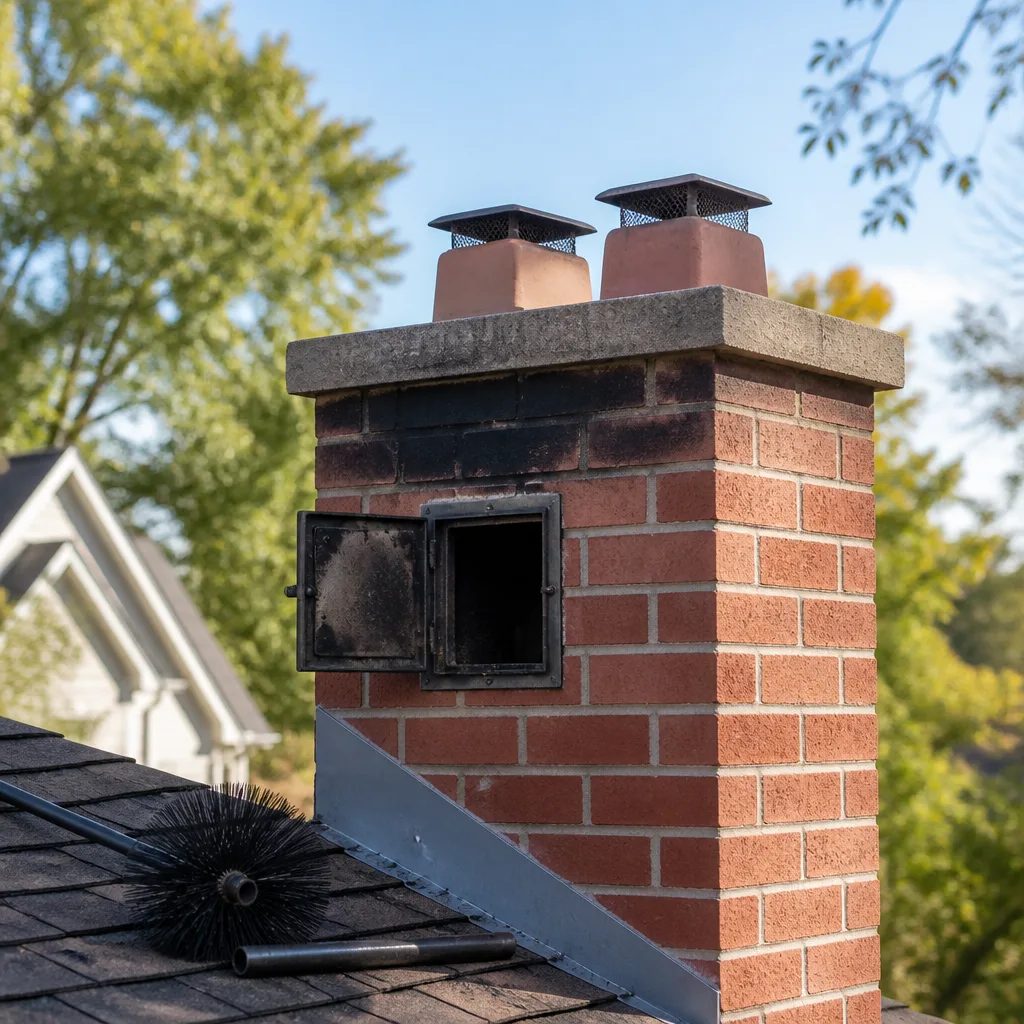 Sweep & inspection
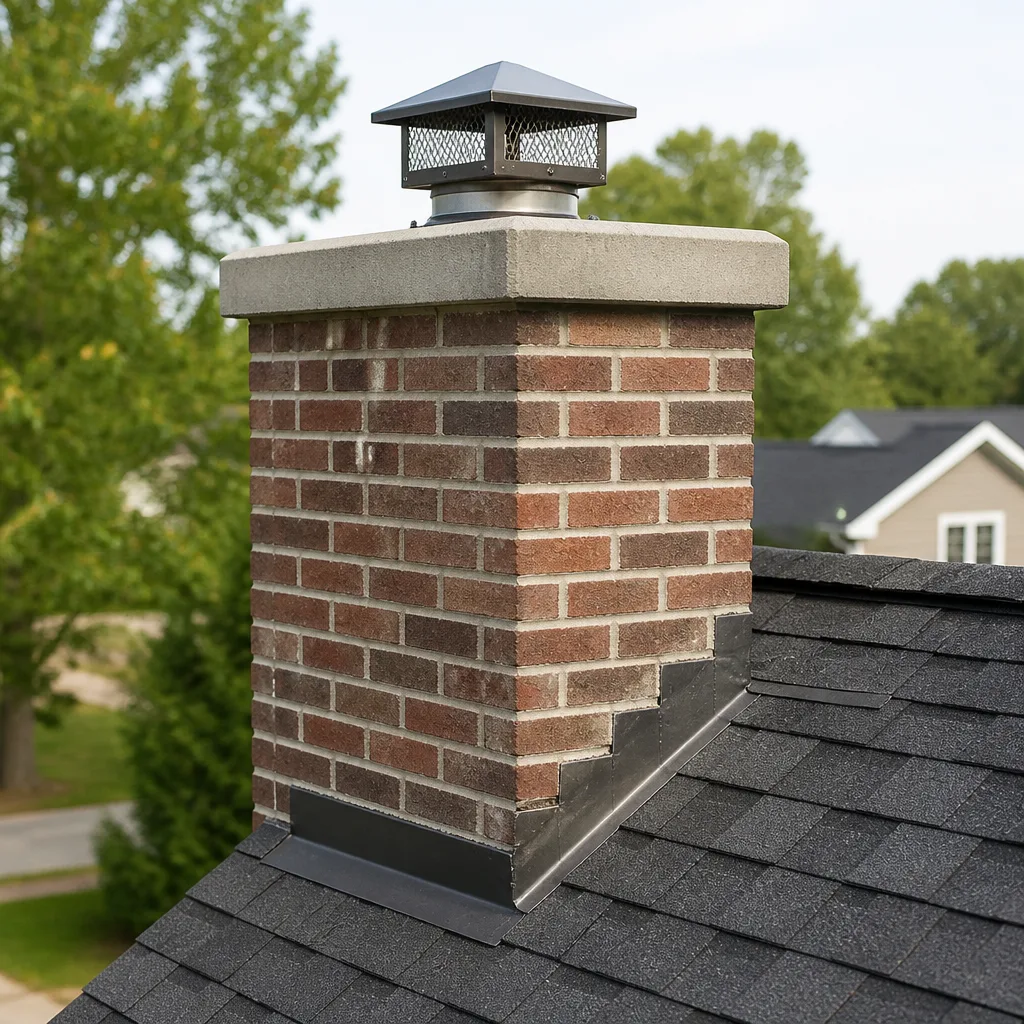 Caps & crowns
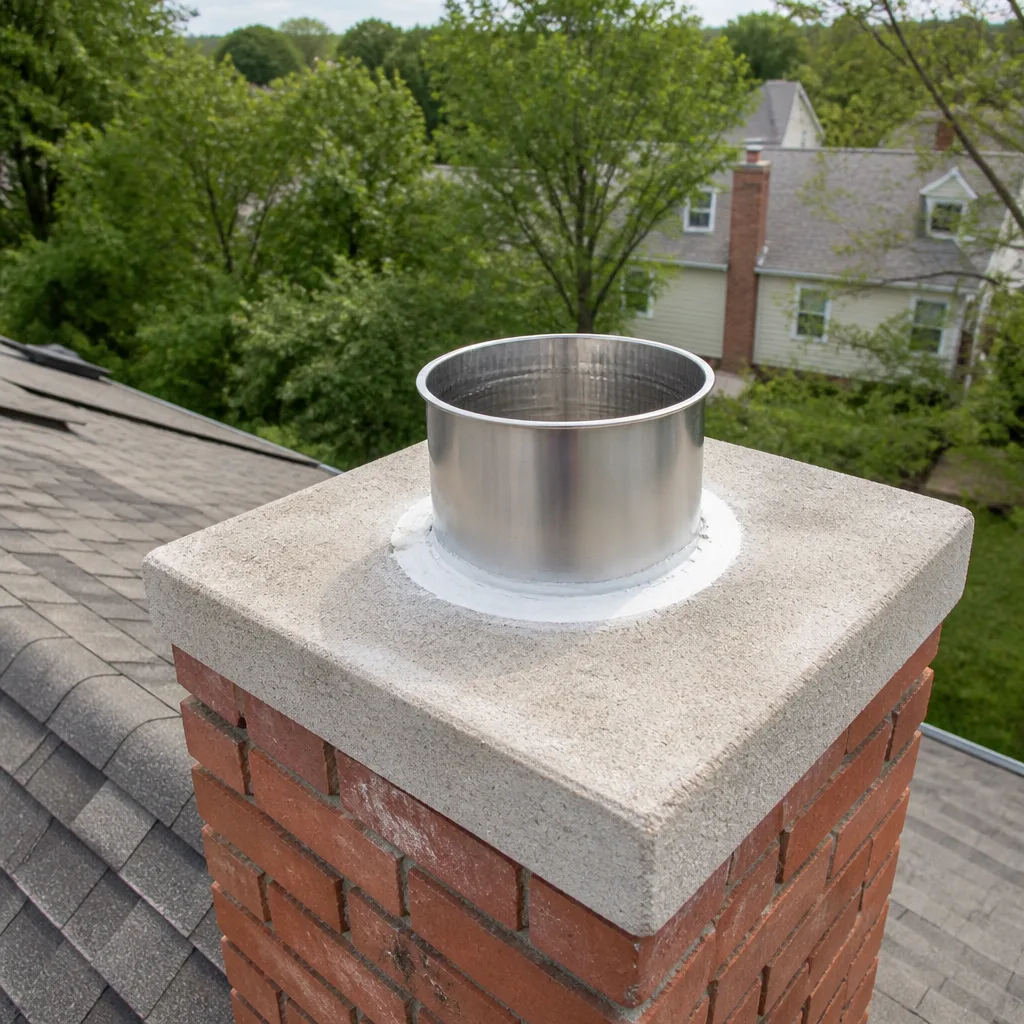 Flue relining
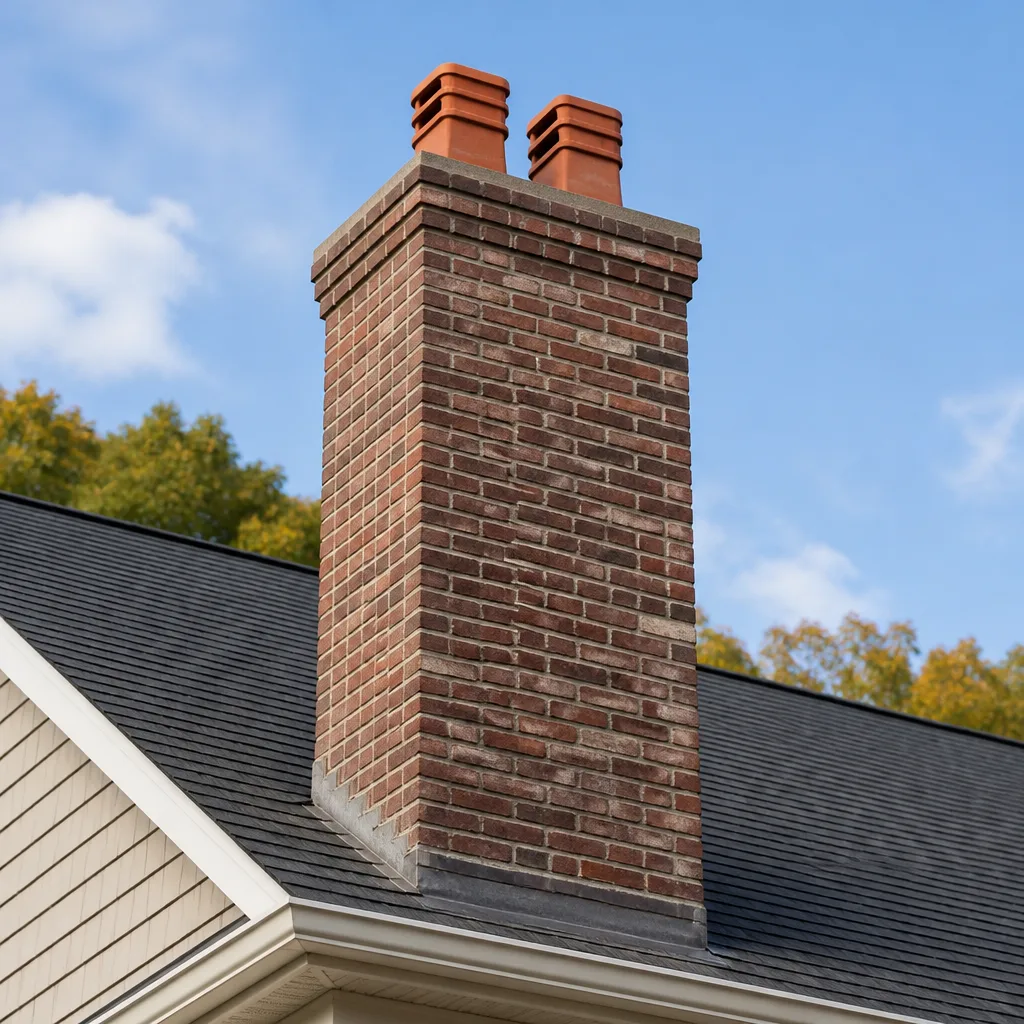 Masonry repair
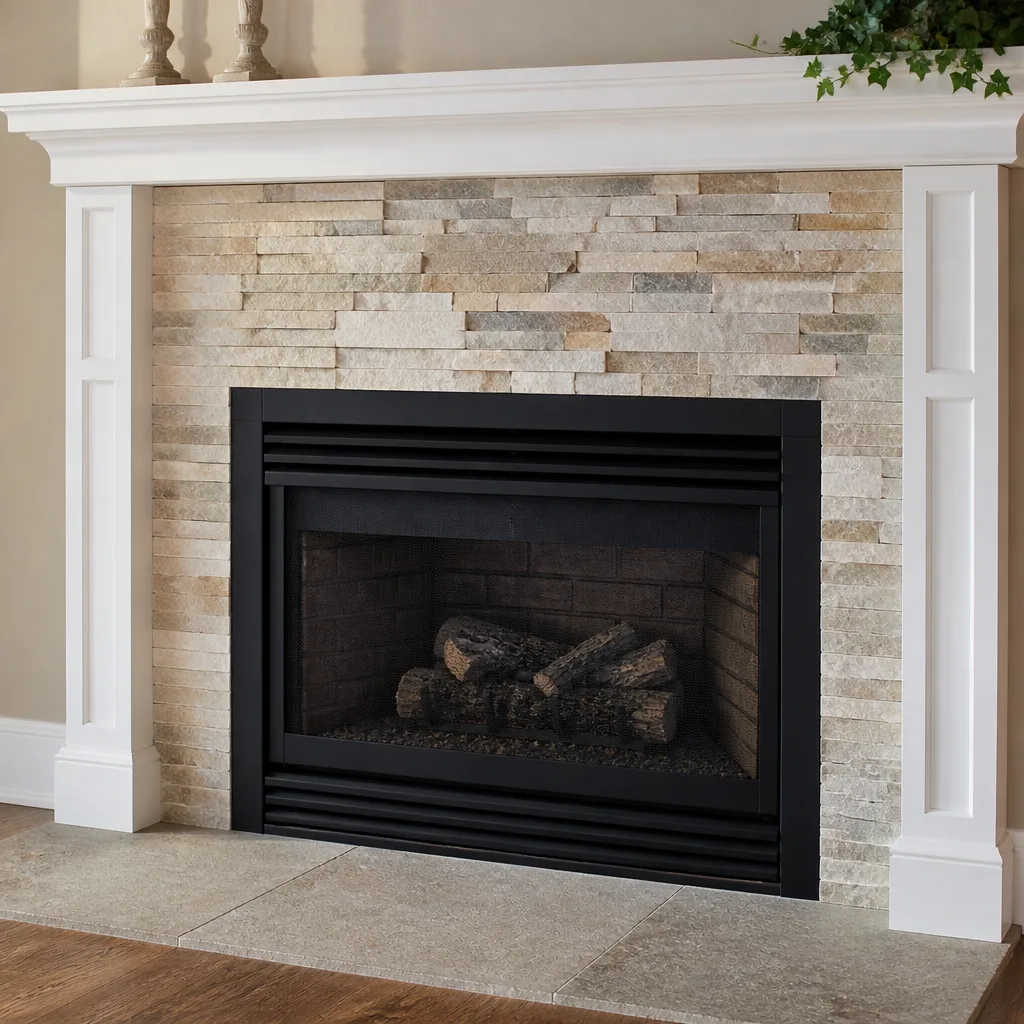 Gas fireplace service
Level 1 sweep and inspection to the NFPA 211 annual standard - flue, crown, cap, and flashing checked and photographed
Chimney sweep logs do not sweep chimneys. They loosen some creosote - which then falls where a brush and vacuum still have to collect it.
Chimney Inspection Troubleshooting in Davie: Common Problems and How to Fix Them
A white stain on your firebox wall isn’t a cosmetic problem. It’s efflorescence, the visible evidence that water has been moving through your masonry long enough to leach salts to the surface. Most of the problems Davie homeowners describe to us are symptoms like that one: smoke rolling back into the room, a damper that won’t seat, brick faces flaking off, scratching sounds above the damper. Each points to something mechanical behind the wall, and treating the symptom without finding the source wastes money and leaves the actual hazard in place. This guide maps the visible warnings to their likely sources, so you can describe what you’re seeing in terms a technician can act on.
Quick Answer
Most chimney problems in Davie trace to one of four sources: water moving through masonry or a failed crown, restricted draft from a blocked or deteriorated flue liner, a damaged or seized damper assembly, or animals entering through an open or damaged cap. A professional inspection identifies which source is active by looking at the evidence, not just the complaint. Fixes range from capping and crown repair to relining with DuraFlex or resurfacing with HeatShield, depending on what the inspection actually finds.
Styles & brands we work with
- Sweep & inspection
- Caps & crowns
- Flue relining
- Masonry repair
- Gas fireplace service
Table of Contents
- Mapping the Symptom to the Source
- Why Efflorescence Means More in Davie’s Humidity
- Draft Problems: House Pressure Versus Flue Damage
- Reading a Crack: Surface Damage or Flue Penetration
- Damper and Smoke Chamber Problems
- Animals, Caps, and What Gets Past Them
- When Troubleshooting Upgrades to a Level 2 Inspection
- Moisture Repairs: Crown, Flashing, and Masonry
Mapping the Symptom to the Source
Every complaint we hear describes a symptom. The job of troubleshooting is to walk backward from the symptom to the mechanical source, and that mapping is usually consistent. When a homeowner in Davie tells us smoke rolls into the room when they light a fire, we’re listening for a draft failure. When they mention a rusted damper, we’re thinking about water entry that has been happening long enough to corrode steel. When they point at spalling brick, the question becomes where the moisture is coming in. When they hear scratching, the first check is the cap and the flue top. Each symptom narrows the field before anyone climbs on a roof.
Here’s the mapping we use, in plain form:
- Smoke in the room – negative pressure in the house, a flue that’s too cold, an undersized flue for the appliance, or a blocked or broken liner.
- Rusted or seized damper – chronic moisture reaching the smoke chamber, usually from a failed crown, damaged flashing, or an uncapped flue.
- Spalling or flaking brick – water inside the masonry that expands as it dries, pushing the brick face off in layers.
- White chalky stains (efflorescence) – moisture actively moving through the masonry and depositing salts on the surface as it evaporates.
- Scratching, chirping, or nesting material – an open flue top, a missing or damaged cap, or a cap that a raccoon has pulled loose.
- Creosote smell in warm weather – draft reversal pulling flue odors back into the house, often when the outdoor temperature climbs above the indoor temperature.
None of those symptoms tells you the whole story on its own. What they do is point the inspection at the right part of the system first. On a Davie home with a masonry chimney and a wood-burning fireplace, that first pass usually saves time and keeps the conversation honest, because we’re checking one specific thing rather than guessing at six.
Why Efflorescence Means More in Davie’s Humidity
Efflorescence is the white, chalky deposit left behind when water carries dissolved salts through masonry and evaporates at the surface. In a dry climate, it can take a long time to show up, and a light dusting can sit on brick for years without much happening. In Davie’s humidity, it’s a more reliable early-warning sign, because the moisture cycle is faster. Warm, moist air keeps pushing water into the masonry from the inside and the outside, and the drying phase that leaves the salt behind happens more often. The result is a chimney that shows its water problem sooner than the same chimney would in a drier place.
Here’s the part that matters for troubleshooting: you can’t tell an active leak from an old stain by looking alone. Old staining may sit unchanged for years after the source was repaired. Active infiltration keeps changing. Our approach is to look for the signs that separate the two during the inspection:
- Check whether the efflorescence is soft and powdery or hard and crusted. Fresh, active deposit tends to be softer and easier to wipe away.
- Look for a wet edge or darker masonry adjacent to the stain. That suggests water is still moving.
- Trace the stain upward to a candidate entry point: crown, flashing, brick joints, or the flue top.
- Note the pattern. A stain that widens toward the bottom of a wall often means water is entering higher and traveling down inside the masonry.
We work with Chimney Sweep Davie as our home page, and our technicians have up to 12 years of experience reading this kind of evidence in South Florida conditions. If the efflorescence is active, the repair is aimed at the entry point, not the stain. Sealing over efflorescence before the source is fixed traps the moisture inside and makes the problem worse over the next wet season.
Draft Problems: House Pressure Versus Flue Damage
Smoke in the room doesn’t automatically mean a damaged chimney. In many Davie homes, the cause is negative pressure inside the house, not a flue defect. A modern house sealed tight, a kitchen exhaust fan running while the fire is lit, or a second flue in the same stack competing for air can pull smoke back down your chimney. Draft failure from pressure is a house problem. Draft failure from a blocked, collapsed, or wrong-sized liner is a chimney problem. They feel identical to the person sitting in front of the fire, and they require completely different fixes.
The simplest way to separate them is to run a few checks before the technician arrives:
- Open a window near the fireplace a crack and light a small piece of paper. If the smoke draws up the flue, pressure is likely the issue.
- Turn off kitchen and bathroom exhaust fans and see if the draft improves.
- Check that the damper opens fully and stays open.
- Note the outdoor temperature. A cold flue drafts hard; a warm flue can stall until it heats up.
If those checks don’t fix it, the flue itself is the next suspect. A liner with a crack, a collapse, or a misaligned section chokes the draft regardless of what’s happening in the house. On older masonry chimneys in Davie, we often find a flue sized for an open fireplace now serving an insert, which changes the draft requirements entirely. During the inspection, we can scope the flue with a camera and show you what’s actually inside it. Repair in that case usually means a liner, and we match the material to the flue type using product lines like DuraFlex for flexible relining or HeatShield for resurfacing a cracked but structurally sound liner.
Reading a Crack: Surface Damage or Flue Penetration
Two cracks that look similar from the ground carry very different repair urgency. A hairline crack in the exterior brick veneer may be cosmetic and have nothing to do with the flue. A crack in the interior clay tile liner opens a path between the flue and the combustibles around it, which is a fire hazard. You can’t tell which is which by squinting from the driveway. You need to see the flue from the inside, and that means a camera inspection.
What separates the two:
- Location. Cracks in the outer wythe of brick are usually cosmetic. Cracks in the flue tile are structural and require repair.
- Direction and pattern. A single vertical hairline in a flue tile may be from normal heat cycling. A spiderweb pattern, horizontal cracks, or spalling flue tile means the liner is failing.
- Evidence of passage. Soot staining on the back of the brick behind a cracked flue tile is direct proof that combustion gases have escaped the liner.
- Age and construction. Older masonry chimneys with clay tile liners are more likely to have developed gaps at the joints.
The judgment call belongs to the inspection, not the repair estimate. During the visit, we look at the flue from the firebox up to the top and photograph what we find so you can see it. If the crack has penetrated to the flue, the options are resurfacing with HeatShield when the liner is still sound enough to hold the coating, or a full reline when the tile is broken or misaligned. If it’s surface-level, we say so and move on. Nothing gets recommended without evidence you can see for yourself, and we’ll tell you plainly when a repair can safely wait.
Damper and Smoke Chamber Problems
A damper that won’t open, won’t close, or is rusted solid almost always points to moisture that has been reaching the smoke chamber over time. The steel damper blade reacts first because it’s in the path of any water coming down the flue. Rust is the visible outcome; the cause is usually a crown that’s failed, flashing that’s lifted, or a flue top that’s been left uncapped. Replacing the damper without fixing the entry point means the new one corrodes the same way.
The smoke chamber sits above the damper and below the flue. Its sloped walls are supposed to channel smoke smoothly upward. Over time, soot buildup and rough original construction can both interrupt that flow, and a smokey, turbulent draft follows. During a sweep, we check the smoke chamber for buildup and for signs of damage; during a repair, components like a new top-sealing damper or a properly sized replacement come from product lines we trust, including Famco and Copperfield.
The practical troubleshooting order for a damper problem looks like this:
- Try to operate the damper by hand with the fire cold. If it won’t move, note whether it’s stuck open, stuck closed, or seized.
- Look for rust streaking on the damper frame and the firebox above it.
- Check the flue top and crown from the outside; if water is the entry point, that’s usually where it starts.
- Have the smoke chamber inspected during the sweep and note any gaps, soot buildup, or rough construction.
If the damper is only partially seized, there’s often a small window where a cleanup and adjustment will get it working again without replacement. Once it’s fully rusted, replacement and capping usually solve the problem together.
Animals, Caps, and What Gets Past Them
Scratching, chirping, or the smell of nesting material coming from the firebox means something has gotten into the flue from the top. In Davie, raccoons, birds, and squirrels all use open chimneys, and a rain cap that’s been knocked loose or has rusted through is the usual entry. The animal is a symptom. The missing or damaged cap is the source.
The steps to resolve it are straightforward, but they need to be done in order:
- Do not light a fire while an animal may be in the flue. Wait until the flue has been cleared and inspected.
- Have the chimney professional remove the animal safely and check for nesting material throughout the flue.
- Sweep the flue after removal, because nesting material and droppings leave residue that needs to come out.
- Inspect the flue and cap, and check for damage the animal may have caused on the way in.
- Install a properly sized, correctly attached cap. A stainless cap from a line like Olympia Chimney or Copperfield will typically outlast a cheap hardware-store replacement by a wide margin.
If a flue has been open for any length of time, we also look at the smoke shelf and damper area, since debris collects there. Capping the flue is one of the cheapest repairs with the longest effect on the health of the chimney, and it’s usually the single most important change a Davie homeowner can make after an animal problem.
When Troubleshooting Upgrades to a Level 2 Inspection
A basic level 1 inspection covers what’s visible without special tools. A Level 2 inspection adds a video camera scan of the flue, and it’s called for whenever the chimney’s condition is in question or the use of the appliance changes. The upgrade isn’t automatic; the technician makes that call on the visit based on what the level 1 inspection has shown. In our experience, certain conditions should push the visit straight to a Level 2 scope.
- The appliance has changed since the last inspection: a wood insert added, a gas log set installed, or a new fireplace altogether.
- The home has been through a chimney fire, a lightning strike, or a significant storm event.
- There’s evidence of water intrusion, spalling, or efflorescence in the firebox.
- The chimney has had a change in the way it drafts, or smoke has started backing up out of nowhere.
- The home is being sold, or the buyer is requesting documentation of the chimney’s condition.
- The flue is behaving like it’s blocked, but a visual check from the firebox doesn’t show the obstruction.
When the technician recommends a Level 2 scope, the camera is what separates guesswork from evidence. A liner with a hairline crack looks fine without a camera and looks like a repair priority with one. The point of the upgrade is that you see the evidence and hear the reasoning, so the repair conversation is grounded in something you can check for yourself. On the visit, we’ll tell you if the crack or obstruction has reached the level where repair can’t wait, and where it can.
Moisture Repairs: Crown, Flashing, and Masonry
When the inspection shows water coming in, the repair is aimed at the entry point and not at the staining. The crown, the flashing where the chimney meets the roof, and the brick joints are the three most common entry points on a Davie chimney, in roughly that order of frequency. A cracked crown lets water sit on top of the masonry and press down into the flue; a lifted flashing lets water run behind the brick veneer; and open or crumbling mortar joints let moisture migrate sideways into the stack.
Diagnosis and repair order for a moisture problem usually looks like this:
- Look for the highest visible water clue: a wet edge at the crown, a gap in the flashing, or a soft brick face high on the stack.
- Repair the crown if it’s cracked or has pulled away from the flue. A properly sloped crown sheds water away from the flue tile rather than letting it pool.
- Repair the flashing where it meets the masonry and roof, and check that it’s still counter-flashed into the brick.
- Repoint any masonry joints that have opened enough to admit water.
- Cap the flue if it isn’t already capped.
Once the entry point is fixed, existing efflorescence may stay on the surface but stops progressing. If active infiltration was feeding water inside the flue long enough to damage the liner, that’s where resurfacing with HeatShield or relining with DuraFlex comes into play, and the repair sequencing starts with the moisture, not the liner. For the resurfacing and relining side of the work, the chimney repair page goes deeper into how each method is chosen and how the finished flue is verified.
Common Mistakes to Avoid
- Sealing efflorescence without fixing the water source. Sealing over active efflorescence traps moisture inside the masonry and accelerates spalling. Find the entry point first, repair it, and then address the surface if you want to.
- Treating a draft problem with a fan or a different fire. A draft booster or a hotter fire masks the problem without diagnosing it. The flue either drafts correctly or it doesn’t, and the reason matters.
- Replacing a rusted damper without fixing the water entry. The new damper will rust the same way for the same reason. Crown and flashing repairs come first.
- Skipping the cap because “it drafts fine without it.” Drafting well doesn’t keep raccoons, rain, and nesting birds out of the flue. A proper cap is cheap insurance against a much larger repair.
- Assuming a crack in the exterior brick means the flue is damaged. It may be entirely cosmetic. Only a camera inspection of the flue tells you which kind of crack you have.
- Hiring a sweep who won’t show you the camera footage. In Davie, where humidity accelerates the water damage cycle, “trust me, it’s bad up there” isn’t good enough. Ask to see the evidence before agreeing to any structural repair.
- Putting off an animal removal because the animal has gone quiet. Nesting material and droppings left in the flue are a fire risk even after the animal has moved on. The flue still needs clearing and inspection.
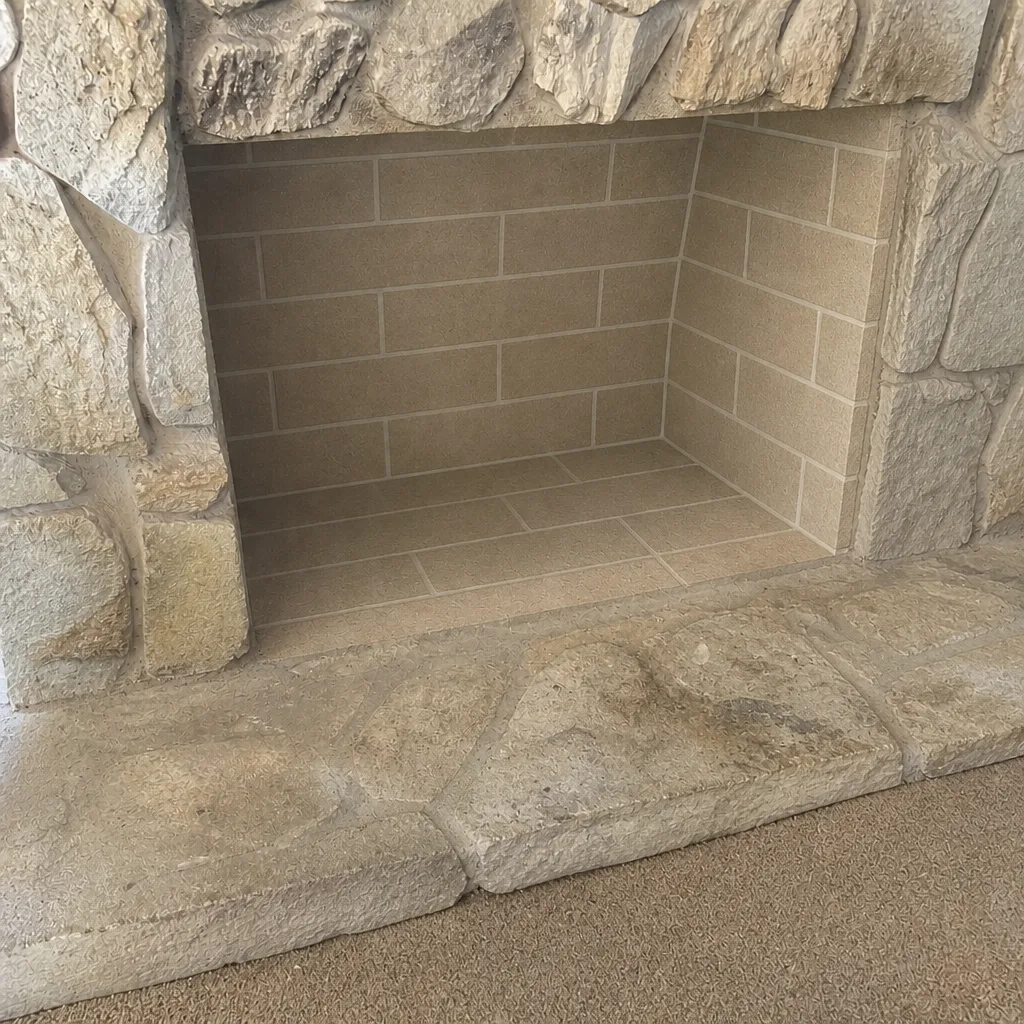
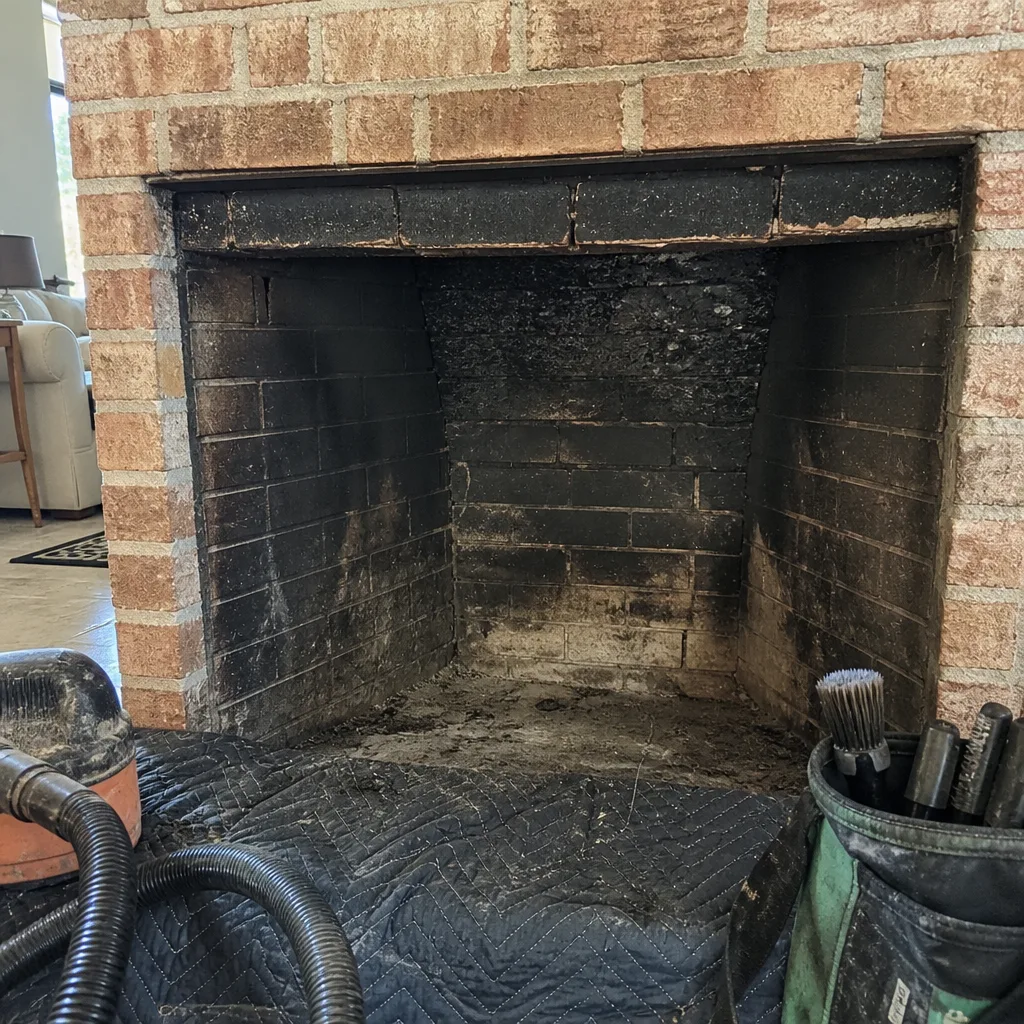
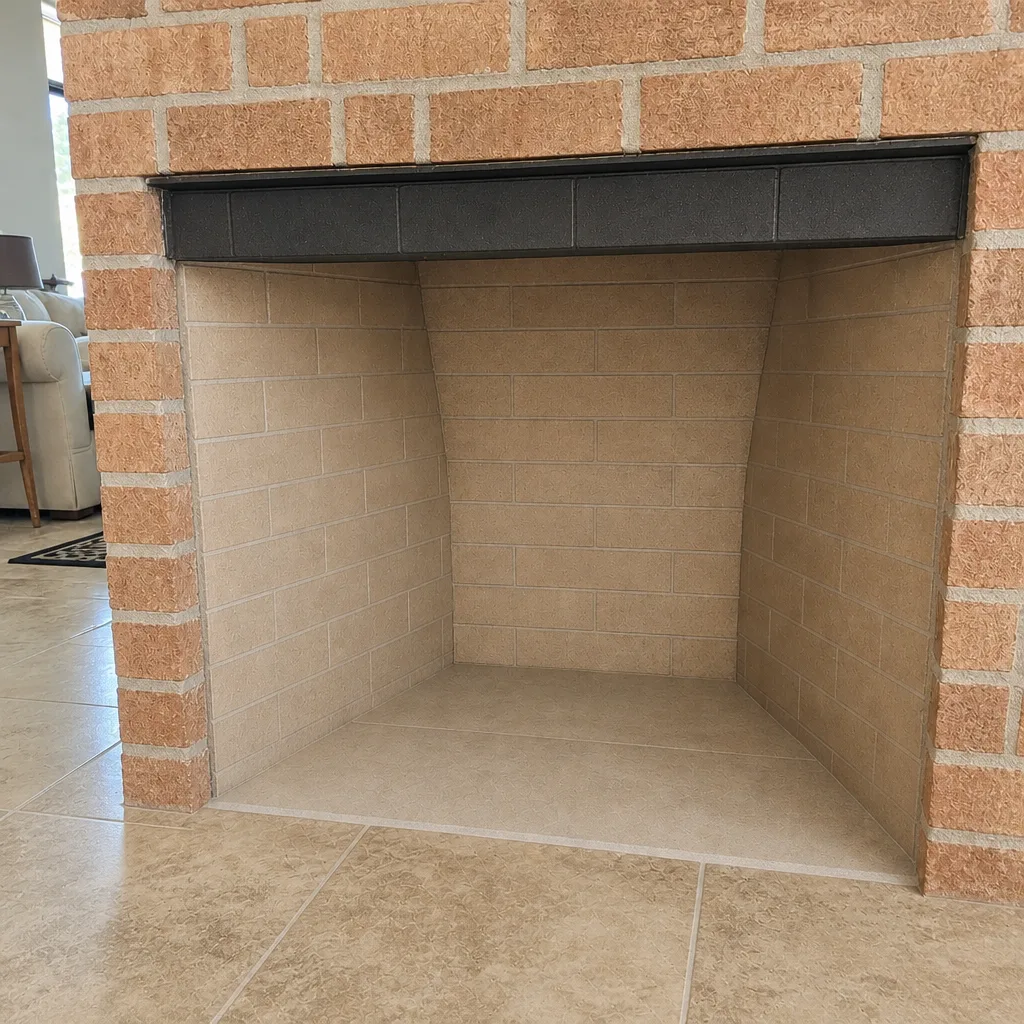
See the difference
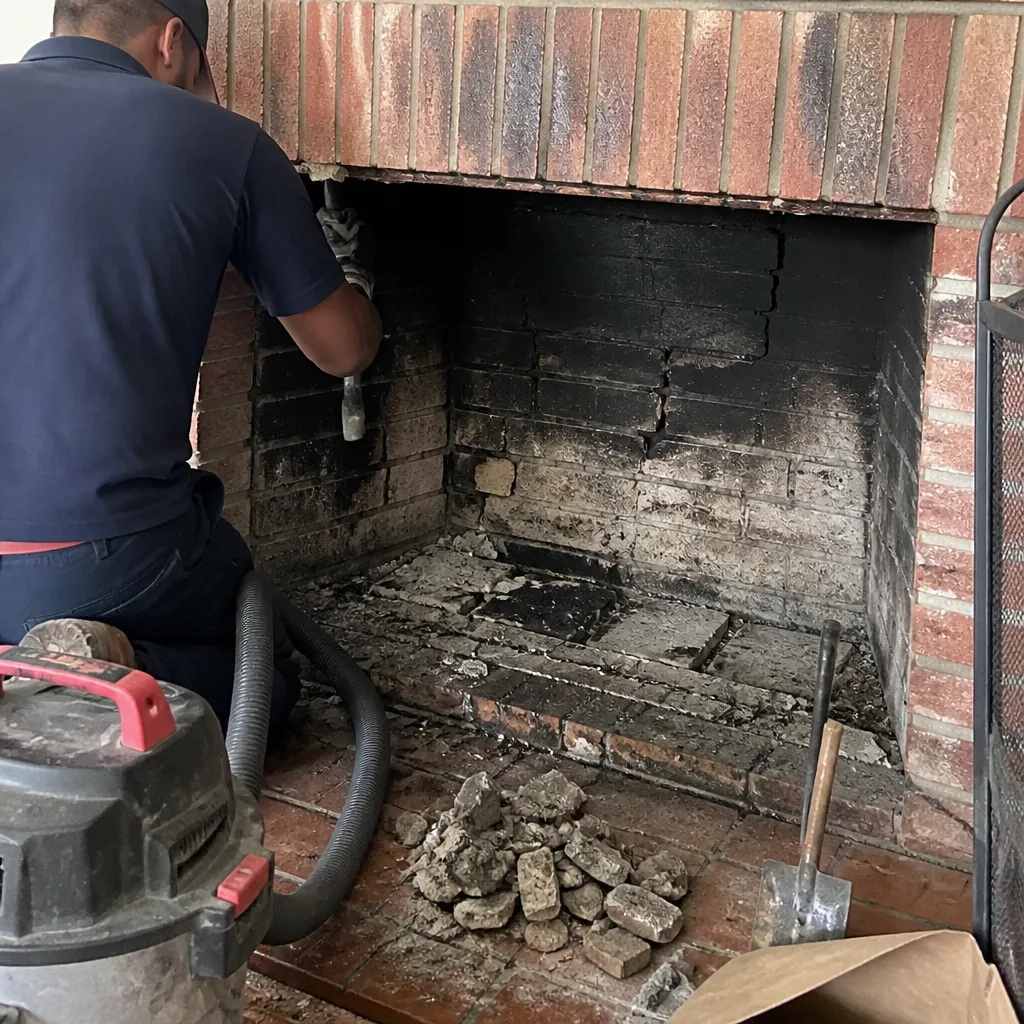 Before
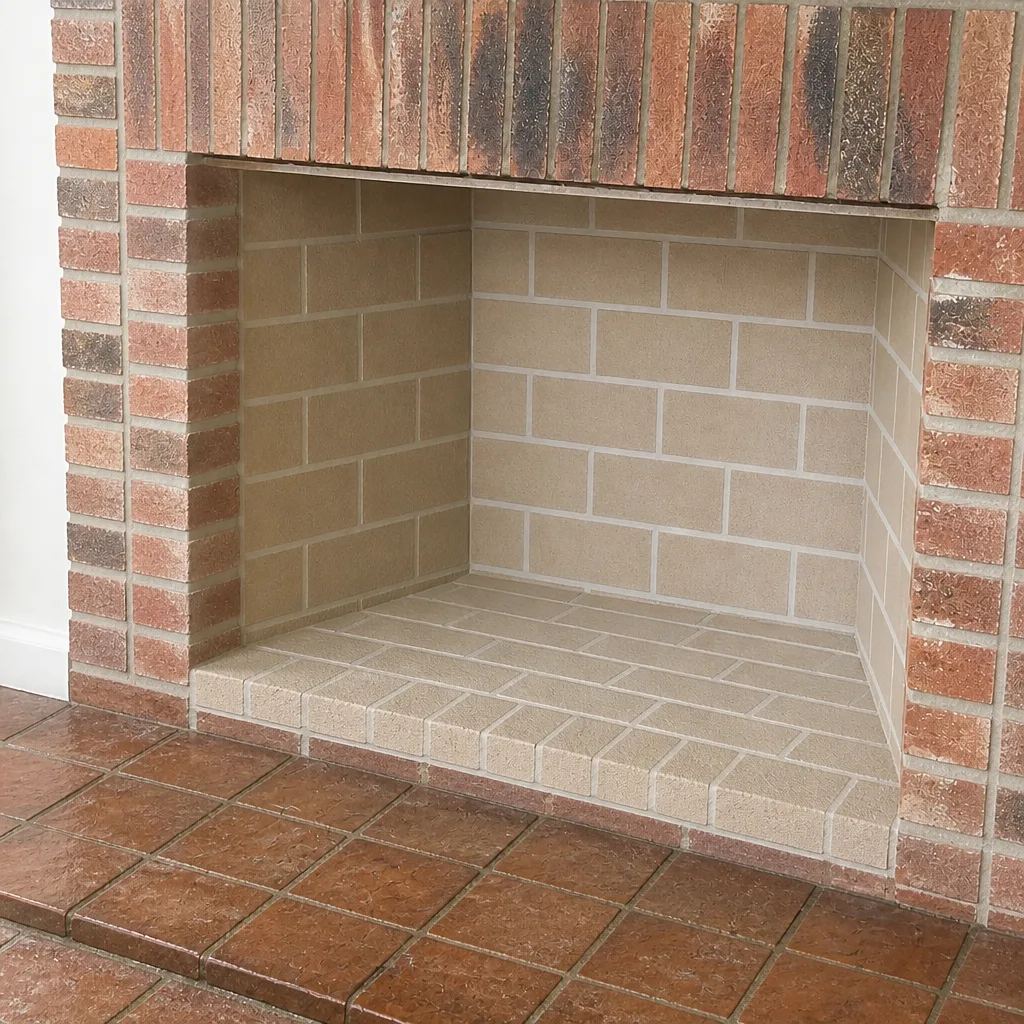 After
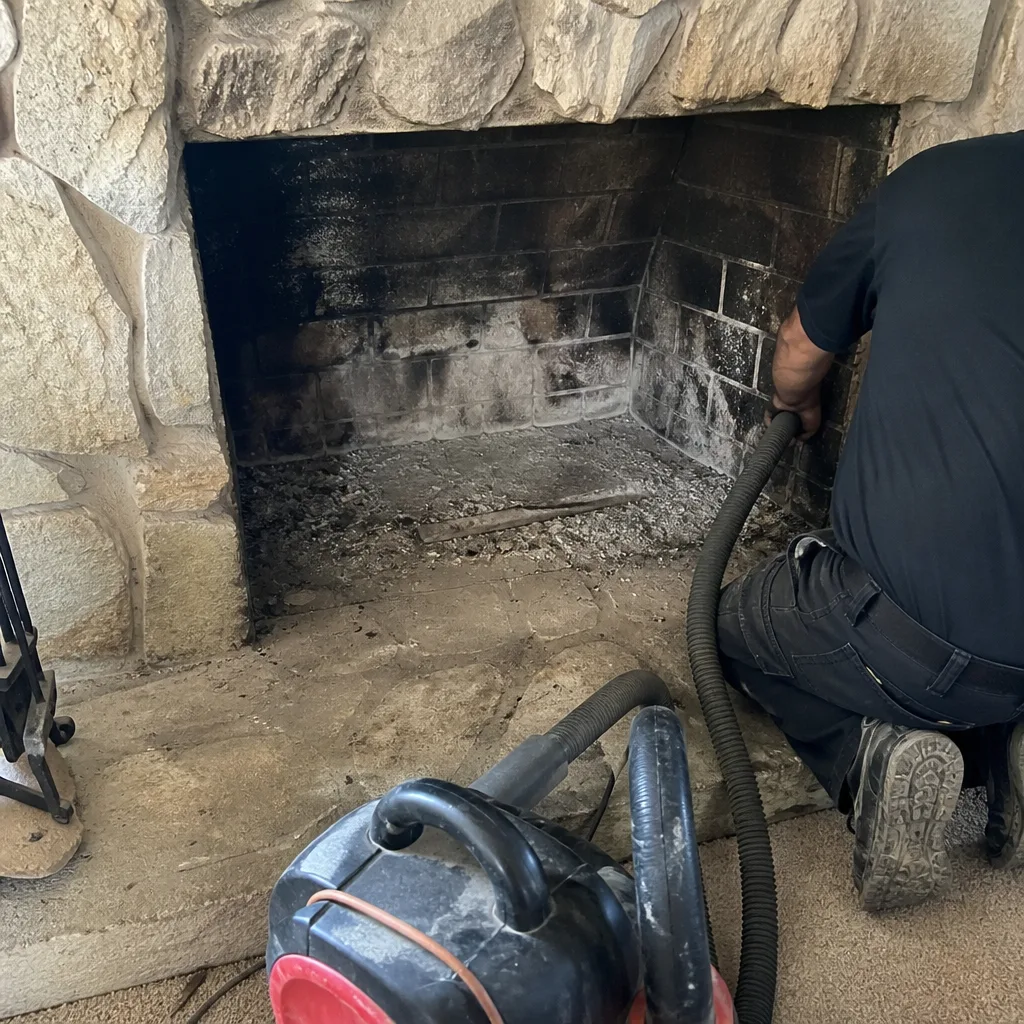 Before
 After
 Before
 After
When to Call a Professional
Call when smoke backs into the room and window-opening doesn’t fix it, when you see rust on the damper or white staining on the firebox, or when brick faces are flaking off. Call immediately if you hear an animal in the flue, smell gas around a gas fireplace, or see staining that’s clearly growing. If it’s been a year or more since the last chimney sweep and inspection, call before the heating season rather than during it. Moisture and creosote problems compound, and the repair cost reflects how long they’ve been allowed to develop.
The Davie service page lists our coverage area. Chimney Sweep Davie offers free estimates in Davie and the surrounding area. Call (877) 798-7859. We answer 24/7. Fast dispatch from 7am to 7pm, Sunday through Friday. The written estimate sets the final price, and we’ll tell you plainly when a repair can safely wait.
Frequently Asked Questions
It’s almost certainly efflorescence, which is salt left behind when water moves through masonry and evaporates at the surface. In Davie’s humidity, that cycle runs faster than in drier climates, so efflorescence shows up earlier and more reliably as a water-entry signal. The stain should be traced to its entry point, usually the crown, flashing, or flue cap, and repaired there rather than at the surface. Call (877) 798-7859 for an inspection that finds the source. Estimates are free.
A recent sweep rules out creosote blockage but doesn’t rule out negative pressure in the house, a damaged flue liner, or a flue sized for a different appliance. In a Davie home, kitchen exhaust fans running while a fire is lit can be enough to reverse the draft on their own. Open a window a crack and try again; if the smoke draws up, pressure is the likely cause. If it doesn’t, the flue is the next suspect and should be camera-inspected.
Not usually. A crack in the outer brick veneer is often cosmetic and doesn’t affect the flue. A crack in the flue tile is structural, opens a path between combustion gases and the surrounding combustibles, and should be repaired promptly. You can’t tell the two apart without a camera view of the flue interior. Call (877) 798-7859 to schedule an inspection that will show you which crack you have. Estimates are free.
Rust on a damper means moisture has been reaching the smoke chamber over time, usually from a cracked crown, lifted flashing, or an uncapped flue. The damper rust is the visible symptom; the water entry is the source. Replacing the damper without fixing the entry point means the new one corrodes the same way. Schedule an inspection to find the entry point before replacement, and we’ll show you what’s coming in and where. Call (877) 798-7859 for a free estimate.
When the chimney’s condition is in question or the appliance has changed since the last inspection, a Level 2 camera scan is the right scope. Common triggers in Davie include a new insert or gas log set, a past chimney fire or storm event, active water intrusion, unexplained draft reversal, and a home sale or pre-purchase inspection. The technician makes the call during the visit based on what the level 1 inspection shows. Call (877) 798-7859 to schedule one. Estimates are free.
Yes. A cap is what keeps them out, not the draft. Raccoons, birds, and squirrels will use an open or loosely capped flue regardless of how well it draws. A damaged cap or a missing one means the flue is open to the weather and the wildlife, and after an animal has been inside, the flue needs clearing, sweeping, and a proper replacement cap before the next fire. Call (877) 798-7859 for an inspection before you light up. Estimates are free.
The Bottom Line
Smoke in the room, white stains on the firebox, rusted dampers, spalling brick, and nighttime scratching are symptoms. Each one points to a specific source, and the fix only works if it’s aimed at the source rather than the symptom. That means a proper inspection, a camera view of the flue, and a repair plan built around what the inspection finds. Davie’s climate accelerates the moisture side of the cycle, which makes efflorescence and damper rust earlier warnings here than they’d be in a drier place. Once you know the source, the repair options narrow quickly: capping, crown and flashing repair, resurfacing, or relining. Nothing should be recommended beyond what the evidence supports.
If you’re dealing with a symptom that hasn’t been diagnosed, call Chimney Sweep Davie at (877) 798-7859 for a free estimate. We answer 24/7. Fast dispatch from 7am to 7pm, Sunday through Friday. We’ll inspect, show you what we find, and tell you plainly which repairs can’t wait and which ones can.
Written by the team at Chimney Sweep Davie.