
Last updated November 16, 2026
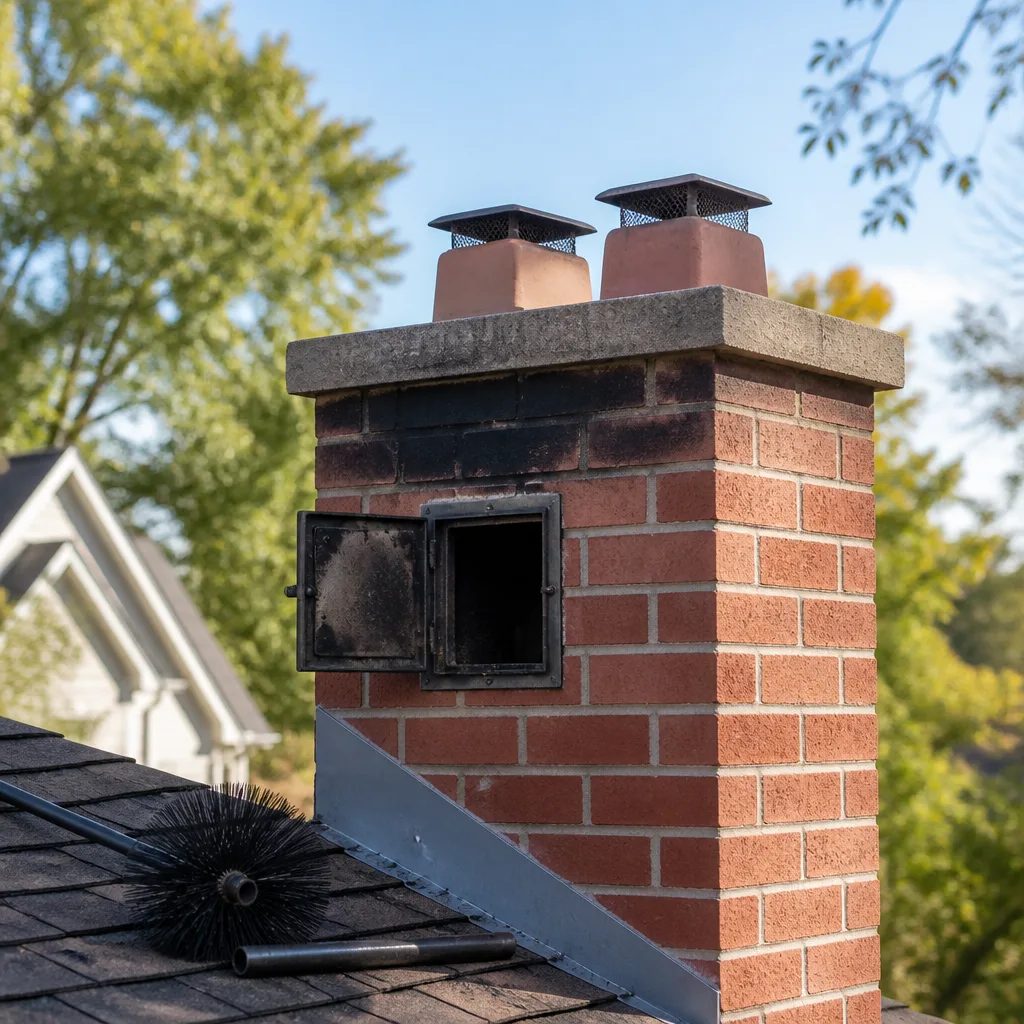 Sweep & inspection
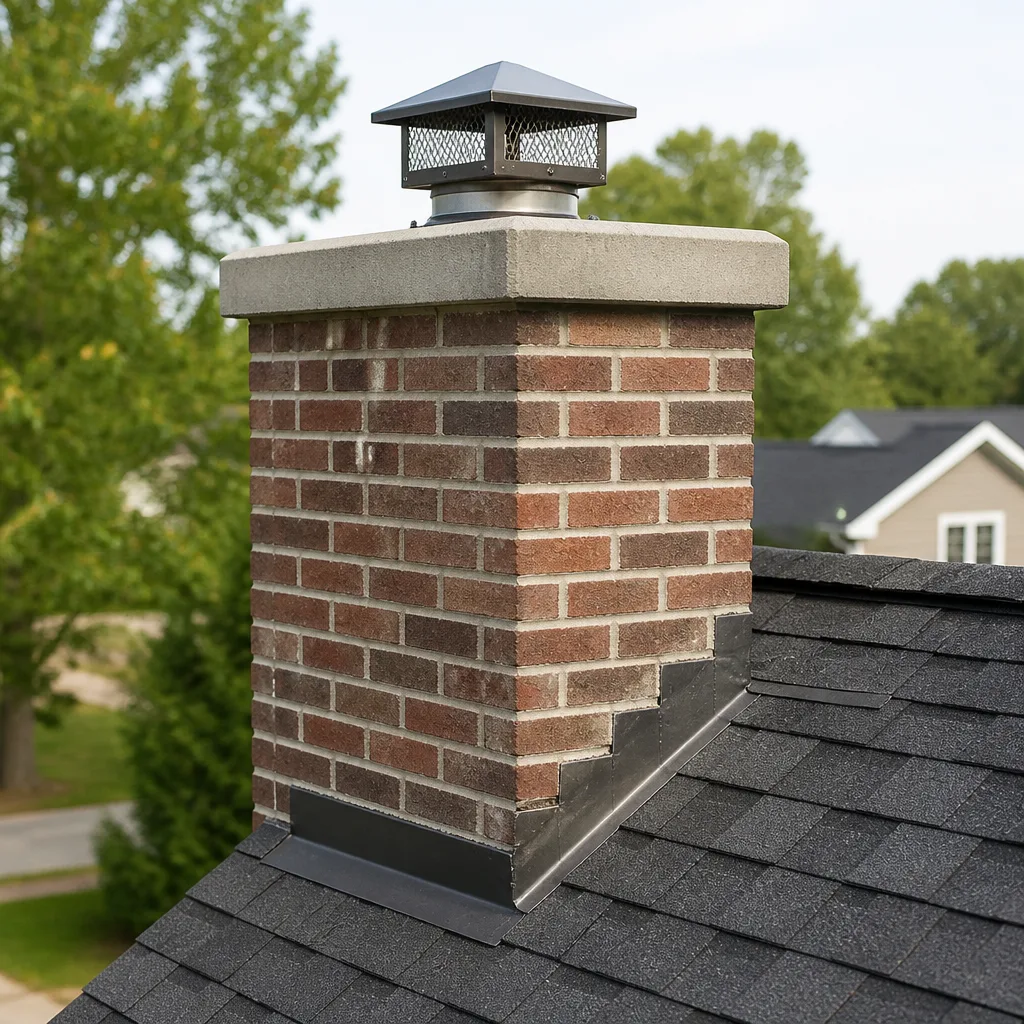 Caps & crowns
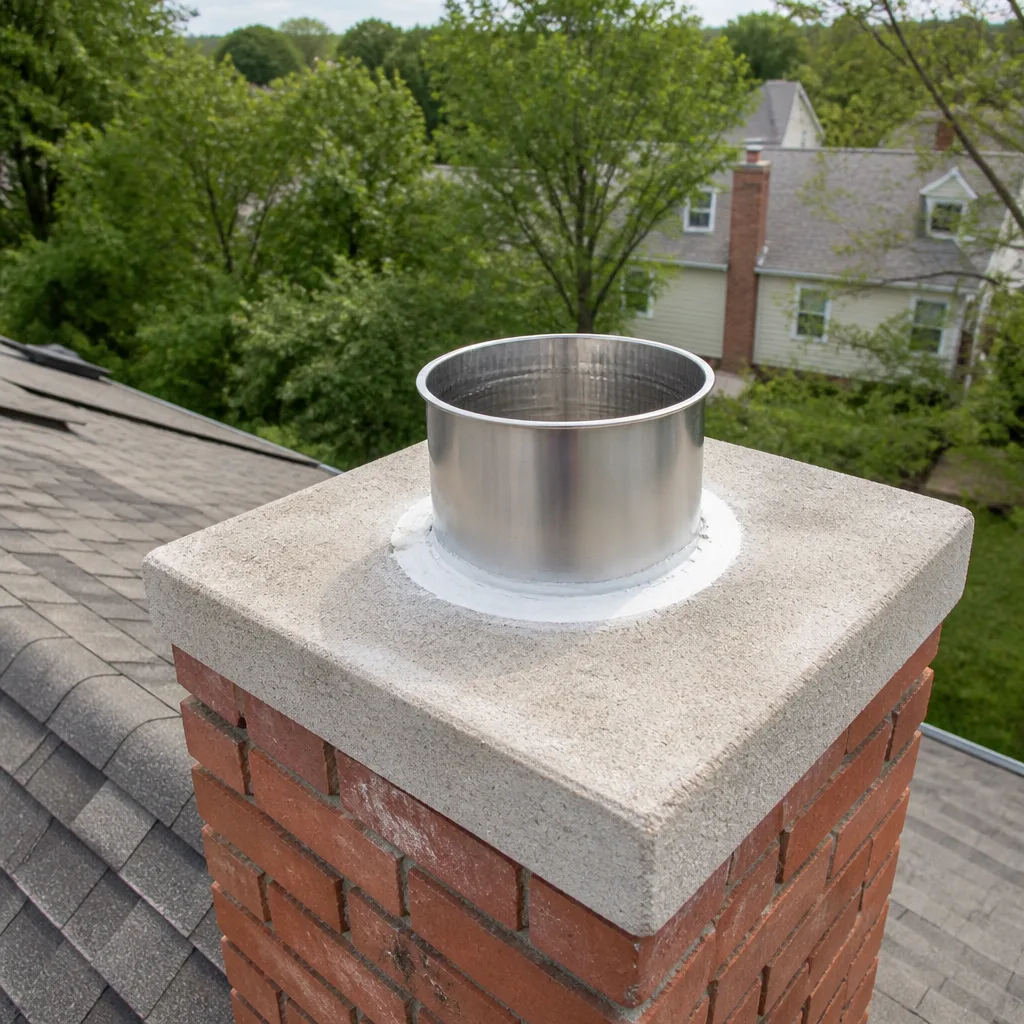 Flue relining
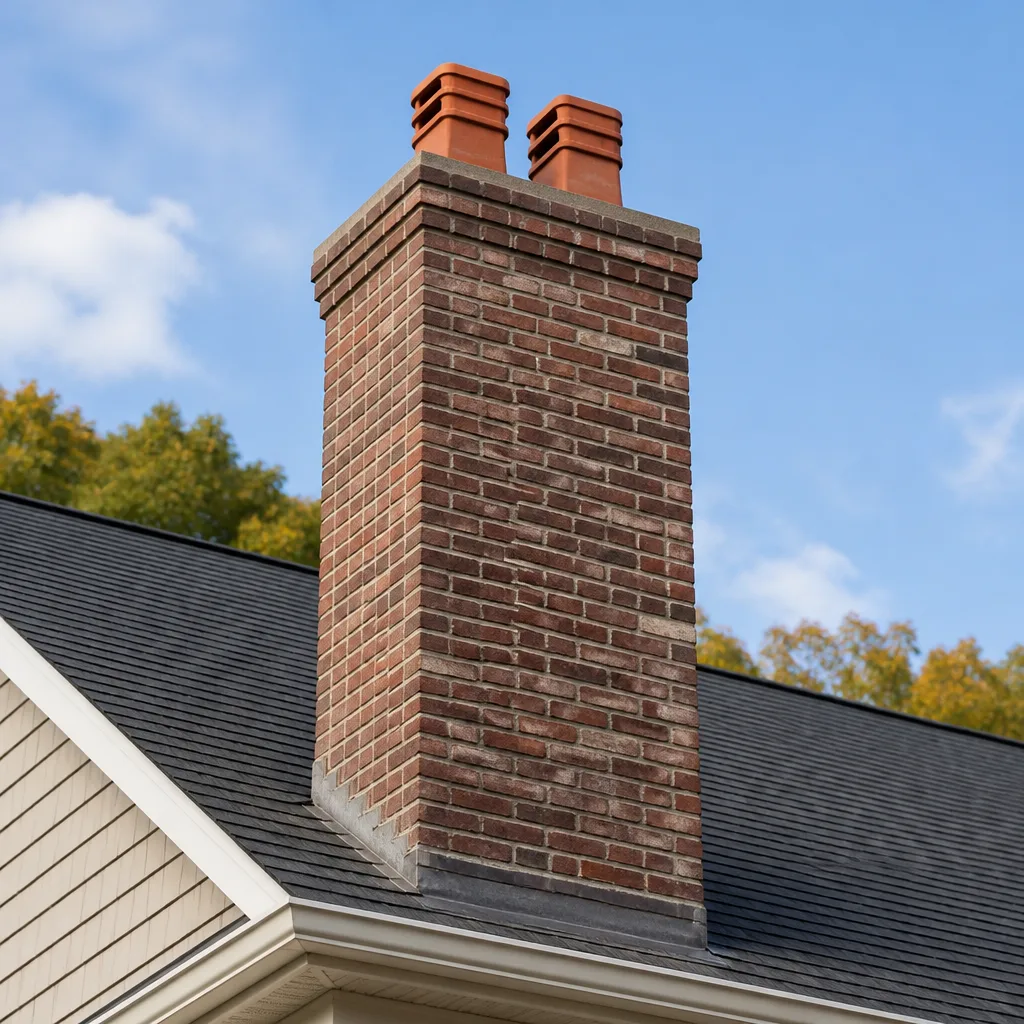 Masonry repair
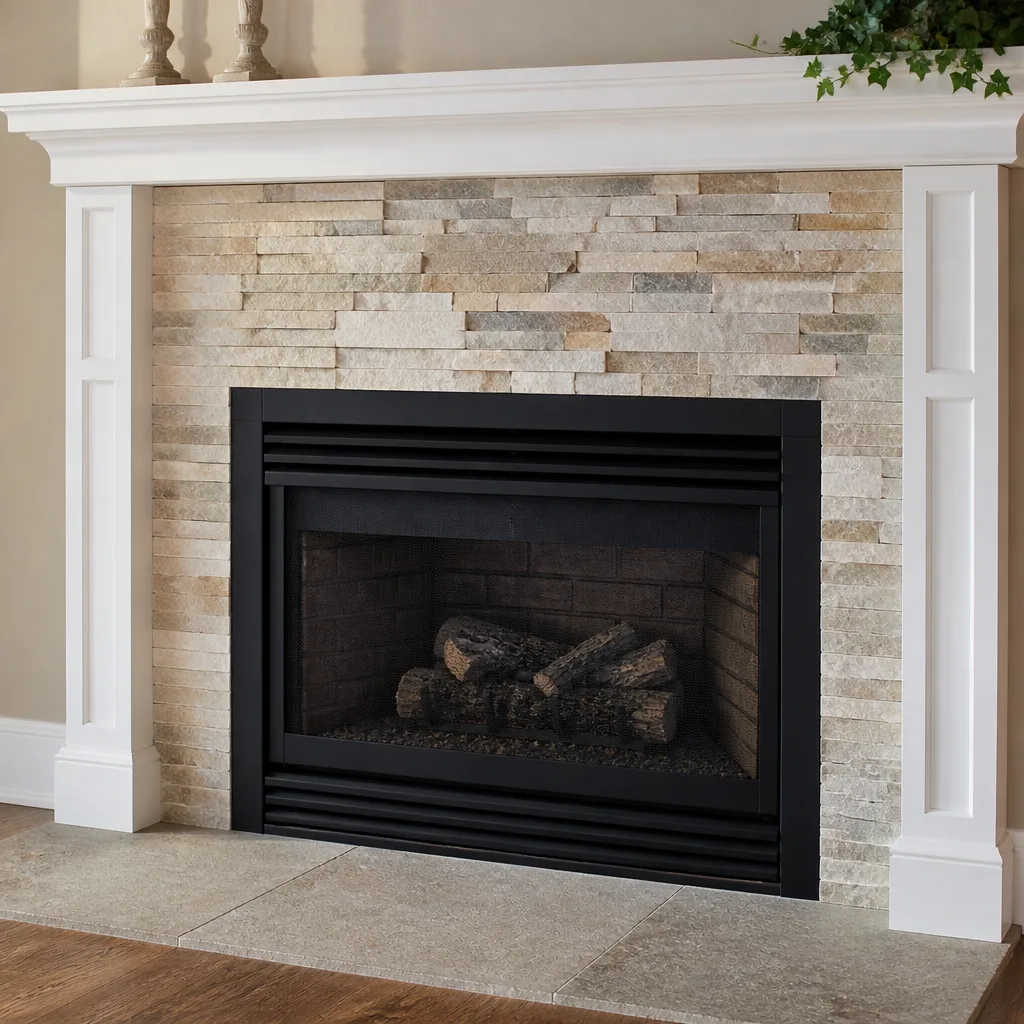 Gas fireplace service
Level 1 sweep and inspection to the NFPA 211 annual standard - flue, crown, cap, and flashing checked and photographed
Chimney sweep logs do not sweep chimneys. They loosen some creosote - which then falls where a brush and vacuum still have to collect it.
The Complete Chimney Inspection Guide for Davie Homeowners
Most Davie chimneys sit unused for eight to ten months a year, and that dormancy, not heavy use, is what causes the majority of the damage we find on inspections here. Homeowners tend to assume a fireplace that ran a few times last winter is in decent shape because nothing dramatic happened. But a chimney in South Florida spends most of its life stewing in warm, humid air between the occasional cool-night fire, and that idle stretch does quiet, cumulative harm to mortar and liners that a northern inspection checklist will never flag. In this guide we walk through how an inspection actually works in Davie, which of the three NFPA 211 inspection levels fits your situation, what local conditions accelerate wear, and how to read the report you get back.
Quick Answer
A chimney inspection in Davie covers three things: the accessible parts of your venting system, the condition of the flue liner and firebox, and anything blocking or degrading the flue. The National Fire Protection Association’s NFPA 211 standard defines three inspection levels, and most Davie homes with a wood-burning fireplace or gas insert need a Level 2 inspection with a camera scope, because infrequent seasonal use hides liner damage that a visual check from the firebox will miss. The report you get back tells you whether your chimney is safe to use now, needs repair before the next fire, or should simply be monitored.
Styles & brands we work with
- Sweep & inspection
- Caps & crowns
- Flue relining
- Masonry repair
- Gas fireplace service
Table of Contents
- Why Davie Chimneys Age Differently
- The Three NFPA 211 Inspection Levels Explained
- What a Davie Inspection Actually Checks
- What Requires a Camera and What Doesn’t
- How to Read Your Inspection Report
- What Happens During a Typical Visit
- From Inspection to Repair: Matching the Fix to the Problem
- Common Mistakes to Avoid
- When to Call a Professional
Why Davie Chimneys Age Differently
A chimney in Vermont burns through a cord of wood a winter and gets inspected because it’s used constantly. A chimney in Davie might see a dozen fires between November and February and then nothing. That pattern sounds gentler on the system, and it isn’t. Long idle periods give moisture in the masonry time to do its work with almost no heat driving it back out. Warm, humid air moves through the firebox and up the flue between uses, and every cycle of humidity absorbed and slowly released works at the mortar joints holding the flue tiles together.
The other half of the problem is creosote. Creosote forms when wood smoke cools against the flue walls, and a heavily used chimney gets hot enough often enough that some deposits burn off naturally. A fireplace that runs a few times a year builds thin, sticky layers that never get the chance to combust away. Over a few seasons those layers become the glazed, harder-to-remove deposits that a chimney sweep has to work at with proper tools rather than a quick brush.
Add in South Florida’s pest activity and you have a system with wear points that don’t show up on a northern checklist. Raccoons and chimney swifts nesting in an open flue is a Davie problem as much as a Vermont one, arguably more, because the idle season is so long. And no, your chimney does not need to have been used recently to have a problem worth inspecting. In our experience, an unused Davie chimney deserves a look at least as much as a working one.
The Three NFPA 211 Inspection Levels Explained
The National Fire Protection Association’s NFPA 211 standard sets three inspection levels, and knowing which one you need keeps you from overpaying for a simple sweep or underpaying for peace of mind. Here’s how each level applies to a typical Davie home.
Level 1: Routine, Readily Accessible Check
A Level 1 inspection covers the readily accessible parts of the venting system plus a basic check of the appliance connections. It’s the level that pairs with a routine annual visit and is right when your chimney is used regularly, hasn’t changed, and you have no reason to suspect an issue. For a Davie homeowner who burns a handful of fires a winter and has had no problems, a Level 1 plus a sweep is often enough. But the long dormancy period here means a Level 1 alone can miss liner deterioration plainly visible on camera.
Level 2: Camera Scope and Full Assessment
A Level 2 inspection adds a video camera scope of the flue, a check of accessible portions of the chimney exterior and attic, and a closer look at connections and clearances. It’s required after any change in the system (a new appliance, a reline, a home sale) and whenever you suspect a problem. For most Davie homes, Level 2 is the right baseline, because the idle cycle here means damage develops out of sight and a camera is the only way to see it.
Level 3: Diagnostic Access for Suspected Hazards
A Level 3 inspection is a targeted investigation when a Level 1 or 2 turns up something serious that can’t be assessed without opening up the structure, such as a suspected flue breach behind masonry or framing. It’s the least common and typically follows a Level 2 finding. It’s not a routine level and shouldn’t be sold as one.
Which level fits your situation usually comes down to how long it’s been, whether the system has changed, and whether anyone has looked with a camera. If you’re unsure, ask before booking, and any reputable specialist will tell you which level applies instead of defaulting to the highest one on every visit.
What a Davie Inspection Actually Checks
A thorough Davie inspection is anchored in local conditions, not a generic national checklist. Here’s what a technician physically examines, along with why each point matters here.
- Pest intrusion in the flue and firebox. Raccoons, chimney swifts, and the occasional possum treat an idle chimney as a den. Nests and debris restrict the flue and can trap carbon monoxide.
- Humidity-driven mortar and liner damage. Long idle periods let moisture work at the joints between flue tiles and at the crown. Spalling, cracking, and lost mortar show up here more than in dry climates.
- Corrosion on cap hardware and dampers. A cap is the chimney’s first line of defense against rain and animals. Damaged hardware on a poorly fitted cap lets water in and animals follow.
- Crown and flashing at the roof line. The crown sheds water away from the flue, and failed flashing lets moisture into the masonry. Both are checked during a Level 2.
- Firebox and damper condition. Damper operation and firebox cracks matter more in a lightly used chimney because nobody notices a stuck damper until the first fire of the season.
- Clearances and connections. A gas insert or wood stove connection is checked for proper venting and clearance from combustibles.
- Creosote depth and type. Glazed, sticky deposits are a fire hazard and call for a proper sweep before the chimney is used again.
Each of these checks is a point on the report, and each one is either fine, monitor, or repair-before-use. A technician’s job is to tell you which, with evidence.
What Requires a Camera and What Doesn’t
A visual look up the flue from the firebox catches obvious blockages, heavy creosote, and major cracks at the bottom. It cannot see the upper flue, the top of a tile joint tucked behind masonry, or a hairline break in the liner’s back wall. A camera scope sees all of it. Skipping the camera scope to save money on a Florida chimney is one of the most common cost-cutting mistakes we run into, because the parts of the flue a camera reaches first are the parts that fail first here.
To be clear about what each method covers:
- Visual from the firebox: blockages, damper operation, lower flue condition, obvious creosote, firebox cracks.
- From the roof: crown, cap, flashing, top flue tile, masonry condition at the top.
- Camera scope: flue liner joints all the way up, gaps, offset tile, mortar loss between tiles, and any hidden breach that could send smoke or carbon monoxide into the structure.
The camera is not a luxury upsell. It’s the only way to confirm the liner is intact between the firebox and the cap, and in a climate where a chimney is idle most of the year, the liner is exactly where silent damage lives. Recent years have seen more Davie homeowners buy older homes with masonry chimneys that have not been scoped in years, and the camera is where those assessments begin.
How to Read Your Inspection Report
An inspection report should read like a diagnosis, not a quote. Every finding should carry one of three labels, and the label matters for both safety and insurance.
- Safe to use. The item was checked and is in working condition. No action needed now.
- Monitor. The item shows early wear that isn’t hazardous yet, and should be rechecked at the next inspection. A minor crack in a flue joint that hasn’t opened up, or a slightly worn damper, is a monitor item.
- Repair before use. A defect that makes the chimney unsafe until addressed: a cracked liner section, a blocked flue, a failed crown over masonry. This is the label that matters most, and it should come with a specific finding and a photo you can see.
The distinction between monitor and repair-before-use isn’t marketing. A homeowner deciding whether to light a fire this weekend needs to know whether the answer is yes, not yet, or no until further repair. That distinction also drives what an insurer or a home sale inspection asks about. If an inspector labels something repair-before-use, ask to see the camera image or the physical finding. If they label it monitor, ask what to watch for. A report that reads as a pile of findings with no urgency distinctions is a report you should push back on.
Look for the report to state the inspection level performed, the findings by category, and a clear note of anything that requires action before the next fire. If it doesn’t, ask for one before booking any repair.
What Happens During a Typical Visit
Here’s how a full inspection and sweep usually runs in a Davie home, so you know what to expect and can tell if the visit is being done properly.
- Booking. You describe the fireplace type (wood, gas insert, older masonry), the last time it was checked, and any signs of trouble. We ask which inspection level you were quoted so there’s no surprise on arrival.
- Arrival and set up. The technician lays drop cloths, confirms the appliance and flue layout, and sets up a camera scope if a Level 2 was booked.
- Exterior check first. Cap, crown, flashing, and top flue tile are examined from the roof or ladder access, before anything is disturbed inside.
- Interior check and sweep. The firebox, damper, and firebox-to-flue transition are examined, then the flue is swept, with the camera run before and after to confirm condition.
- Camera scope review. The full flue is reviewed on camera, and any finding worth noting is photographed for the report.
- Report and explanation. The technician walks you through the findings, explains each monitor and repair item, and answers questions before leaving.
Nothing is recommended without evidence you can see for yourself. If the camera didn’t find it, it doesn’t go in the repair column. And when a chimney can safely wait until next season, we say so plainly.
From Inspection to Repair: Matching the Fix to the Problem
Sweeping removes creosote. Repair addresses what creosote leaves behind. Most of the real repair work in a Davie chimney comes down to two failures: a damaged flue liner and a masonry crown or flashing that lets water in. Matching the repair to the actual defect, rather than whatever a generalist has on hand, is where product-line depth matters.
A cracked or deteriorated flue liner is the most consequential finding, because a compromised liner is a carbon monoxide pathway into the home and a direct fire risk. Two repair methods cover most cases:
- Flue resurfacing with a HeatShield-type system, where the liner is structurally sound but deteriorated at the surface and can be resurfaced. The HeatShield method is a specialist capability well beyond standard sweeping.
- Relining with a flexible liner system such as DuraFlex, for a flue that is structurally compromised or poorly sized and needs a full or partial reline.
For chimney caps, dampers, and venting components, we work with Famco and Olympia Chimney products because they match the repair to the flue type rather than substituting a generic part. The point of working with established chimney brands is not brand loyalty, it’s that the right product for your flue is available and correctly installed. And because inspection, sweep, and repair are handled by the same team, there’s no handoff to a second contractor and no gap in accountability.
Common Mistakes to Avoid
- Skipping the inspection because the chimney wasn’t used much. Idle chimneys develop liner and pest problems that a working chimney often avoids. In Davie, the dormancy itself is the reason to look.
- Booking a sweep with no inspection attached. A sweep removes creosote but won’t tell you whether the liner is cracked. The two belong together.
- Letting a camera scope be skipped to save money. The flue failures here happen out of sight, and a sweep without a scope can miss a liner breach entirely.
- Lighting a fire after an animal has been in the flue. A nest can block the flue and turn a routine fire into a carbon monoxide problem. Have the flue checked before the season starts.
- Ignoring a damaged cap. A failing cap lets water and animals in and leads directly to the moisture and pest issues this guide keeps returning to.
- Accepting a report with no urgency labels. A list of findings without a monitor-versus-repair distinction tells you nothing about what’s safe to use.
- Hiring a generalist for a liner repair. Flue resurfacing and relining take specialist equipment and training, not a general handyman’s brush and ladder.
When to Call a Professional
Call a chimney specialist if you’ve never had the chimney inspected, if it’s been more than a season since the last inspection, or if you’re buying or selling a Davie home with a wood-burning or gas-insert chimney. Call before your first fire of the season if you’ve noticed a smoky fire, a smell of creosote in the house, a loose cap, or signs of animals. Call right away if a liner repair was recommended and never done, if a fire ever burned unevenly, or if you see white staining or crumbling mortar on the chimney exterior. Any of these point to a system that needs a Level 2 look with a camera. A trained specialist is the only one who can safely assess a liner or a crown, so please don’t try to inspect or repair a damaged flue yourself. Chimney Sweep Davie offers free estimates in Davie – call (877) 798-7859.
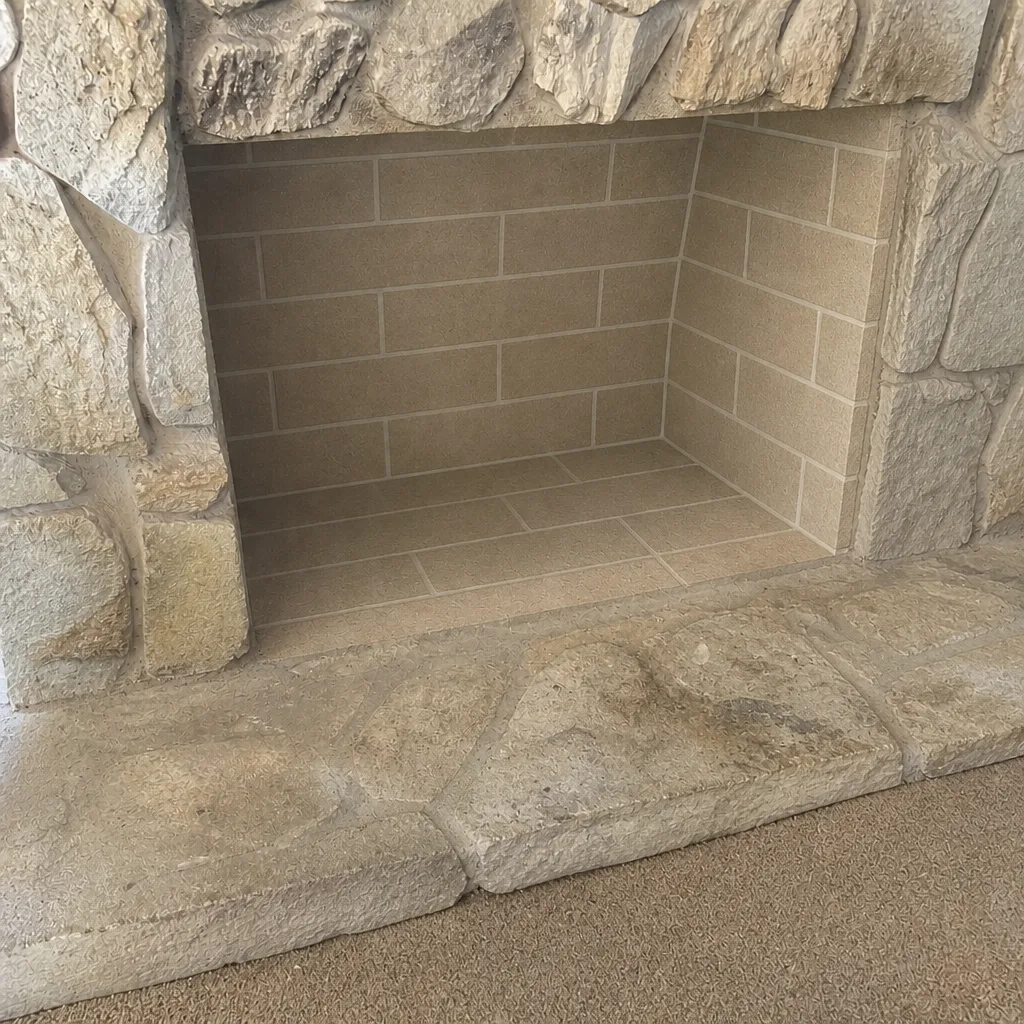
See the difference
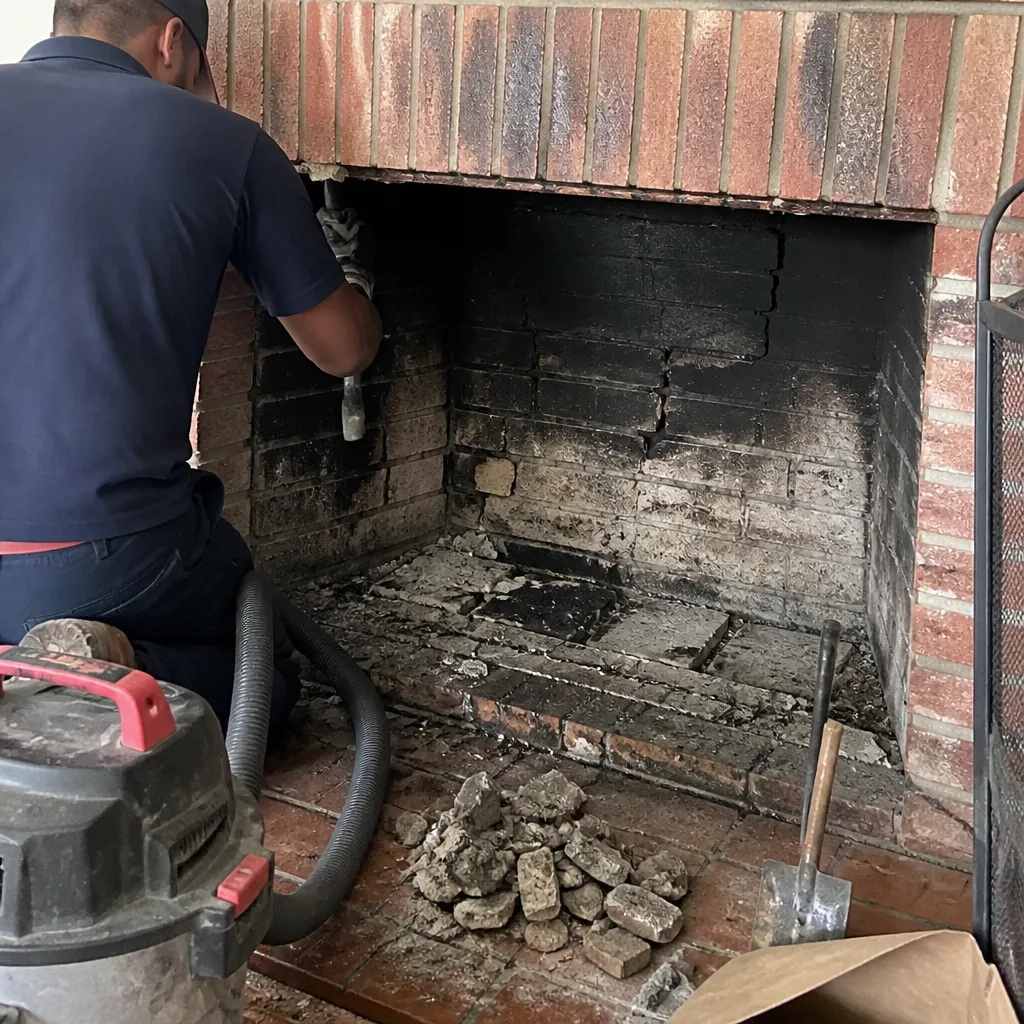 Before
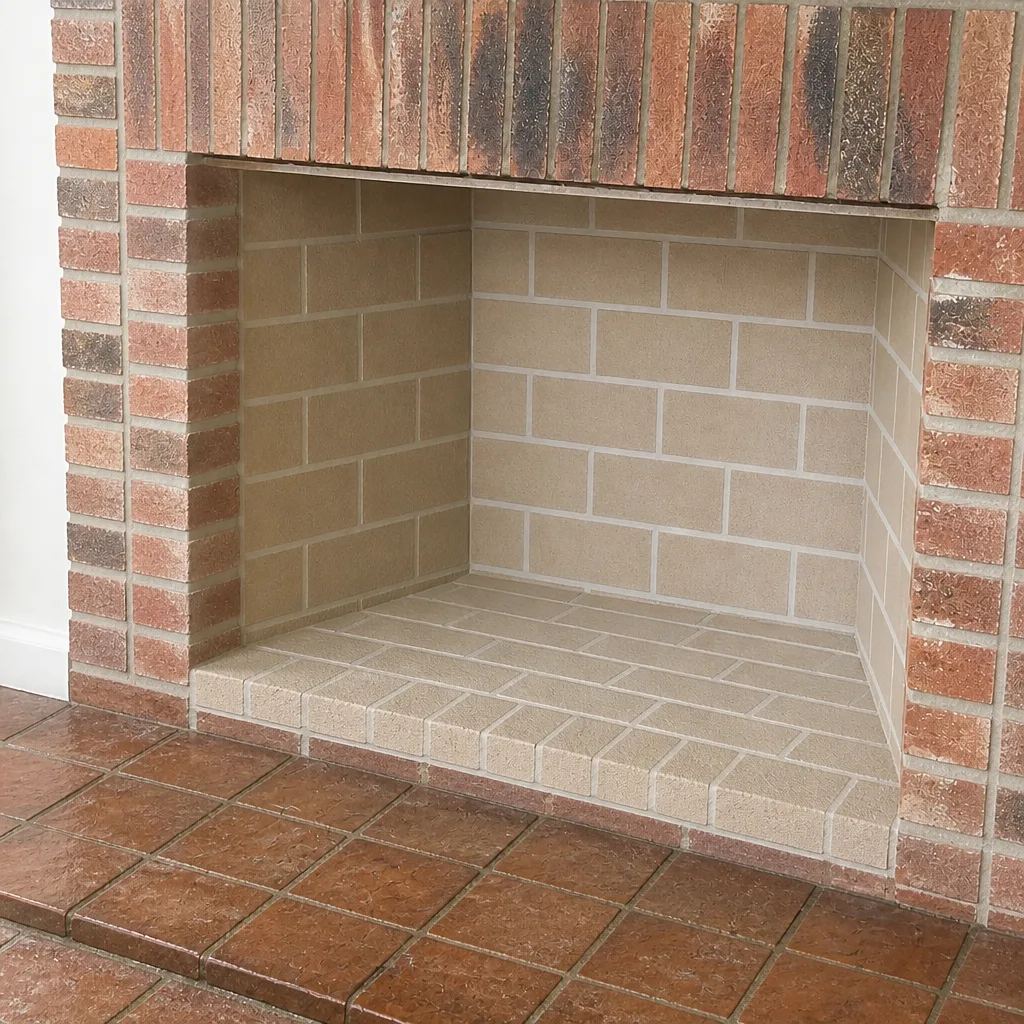 After
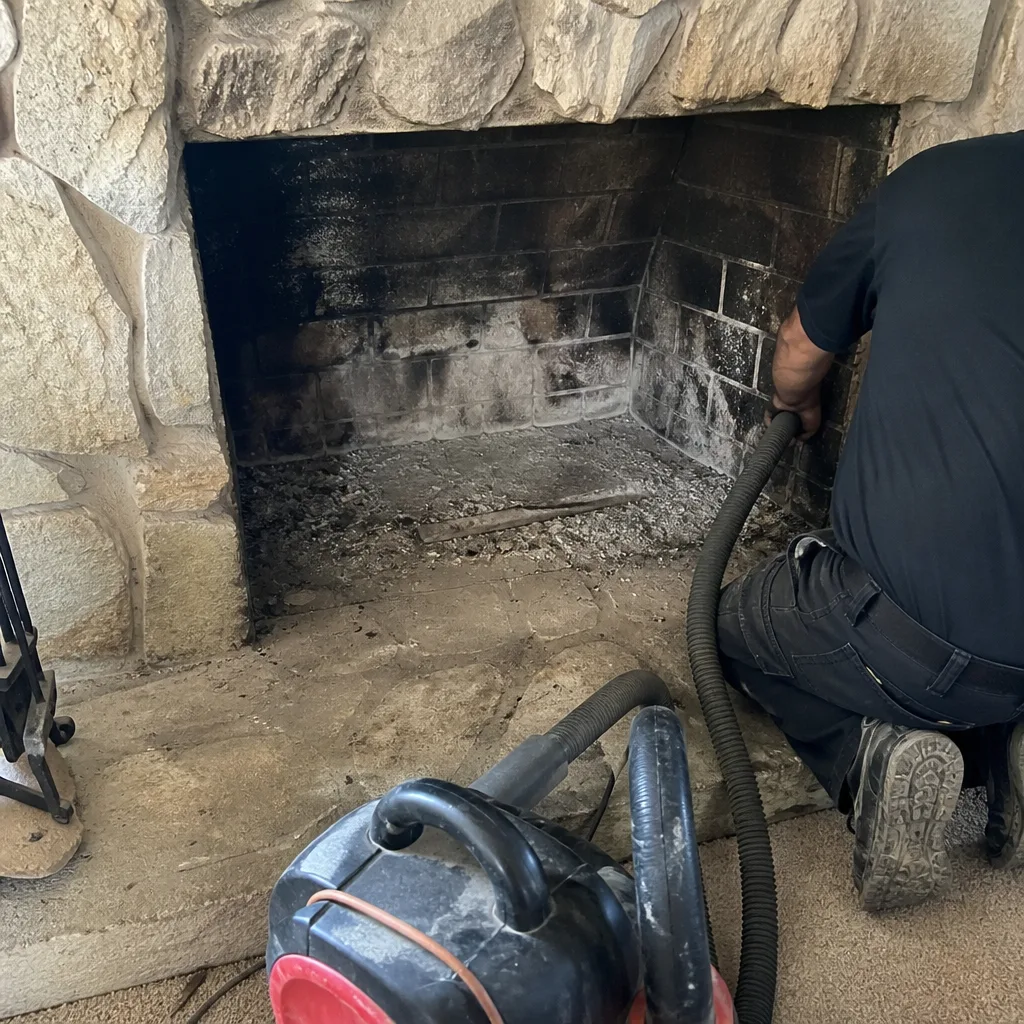 Before
 After
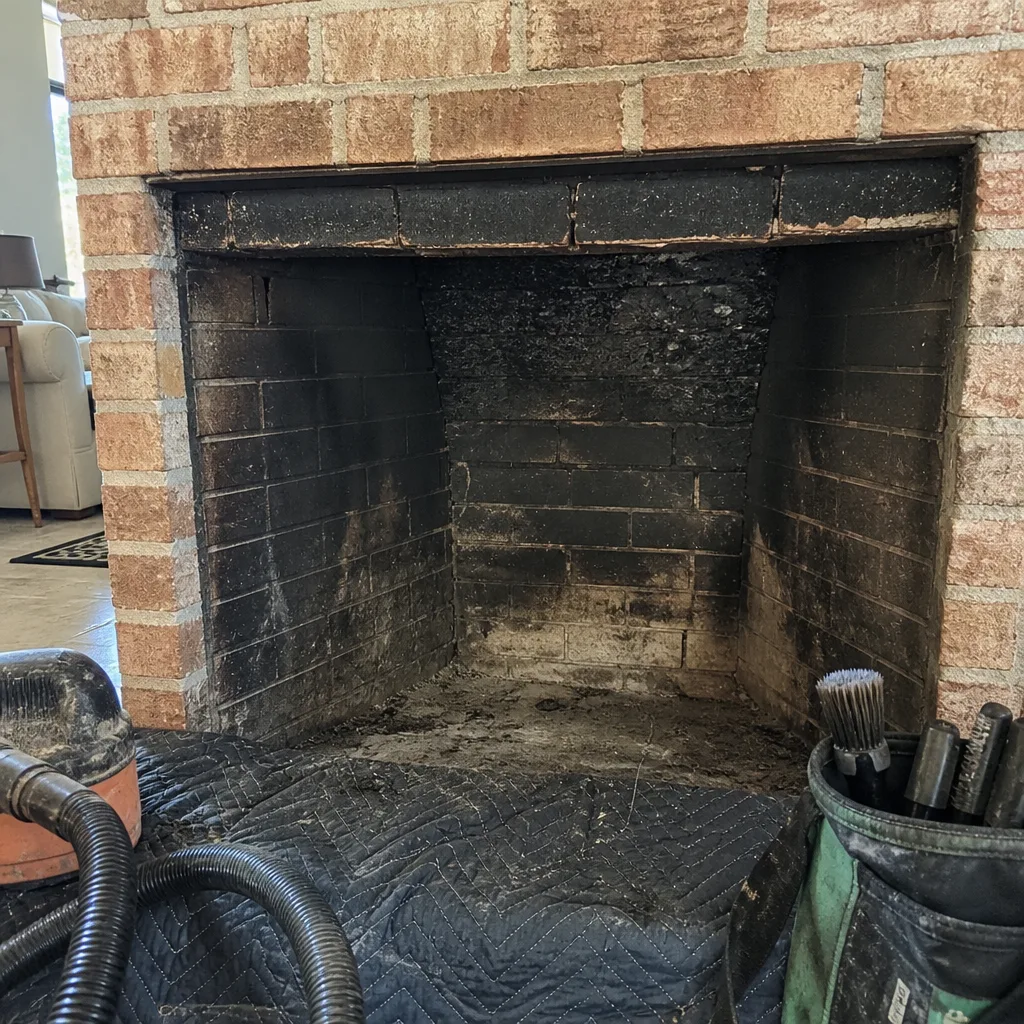 Before
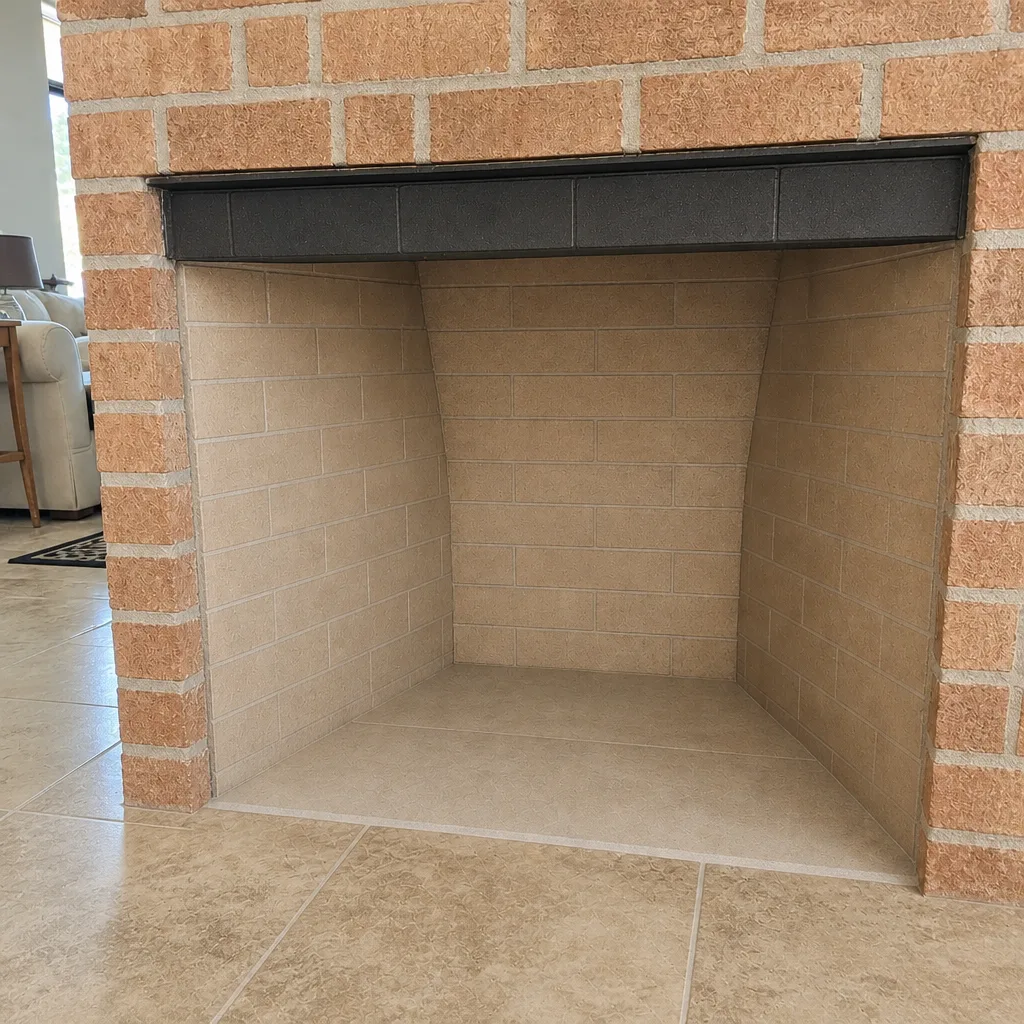 After
Frequently Asked Questions
We set the price for an inspection per job with a written estimate, and the estimate is free, so the exact number depends on your chimney type, the inspection level, and whether a sweep is included. A Level 1 is less involved than a Level 2 with a camera scope. Call (877) 798-7859 for an exact quote – estimates are free.
An annual inspection is the general rule, even if you only burn a few fires a year, because the idle season here is when liner and pest problems develop. If your chimney has a gas insert or older masonry, don’t skip years. Call (877) 798-7859 to book one before the season starts.
Yes, in most cases. A camera scope is the only way to see liner joints, gaps, and mortar loss hidden behind masonry from the firebox to the cap, which is exactly where a Florida chimney’s damage develops during the off season. If an inspector will only look visually, ask why. Call (877) 798-7859 to book a Level 2 inspection with a camera.
Skipping the inspection leaves a cracked liner or blocked flue undetected, which is a fire and carbon monoxide risk that shows no warning before it matters. Pest nests and blocked flues are especially likely in a chimney that has sat idle for months. Call (877) 798-7859 for a free estimate before you use the chimney again.
Most Davie homes with a wood-burning fireplace or gas insert should start with a Level 2 inspection with a camera scope, because infrequent use hides liner damage. A Level 1 fits a recently checked chimney with no changes, and a Level 3 is a targeted follow-up to a specific Level 2 finding. Call (877) 798-7859 and we’ll tell you which level fits your situation.
Yes, a monitor item means the defect is early-stage and not hazardous yet, but it needs a recheck at the next inspection. An item labeled repair-before-use is different and must be fixed before you light a fire. If you’re unsure which label applies, call (877) 798-7859 for a clear answer.
The Bottom Line
An inspection in Davie is less about the fire you had last winter and more about the ten months of warm, humid idling between fires. Mortar and liners deteriorate in that stretch, pests move in, and the damage stays out of sight until a camera finds it or a fire exposes it. Ask for the right inspection level for your setup, insist on a camera scope, and read your report by its urgency labels. When a repair is called for, matching a HeatShield resurfacing or a DuraFlex reline to the actual finding is what keeps the chimney safe. For a straight diagnosis and a clear report, we’re here to help.
Call Chimney Sweep Davie for a free estimate on an inspection, a chimney repair, or a sweep. We answer 24/7. Fast dispatch from 7am to 7pm, Sunday through Friday. Learn more about our Chimney Sweep Davie team and our work throughout Davie.
Written by the team at Chimney Sweep Davie.