
Last updated November 16, 2026
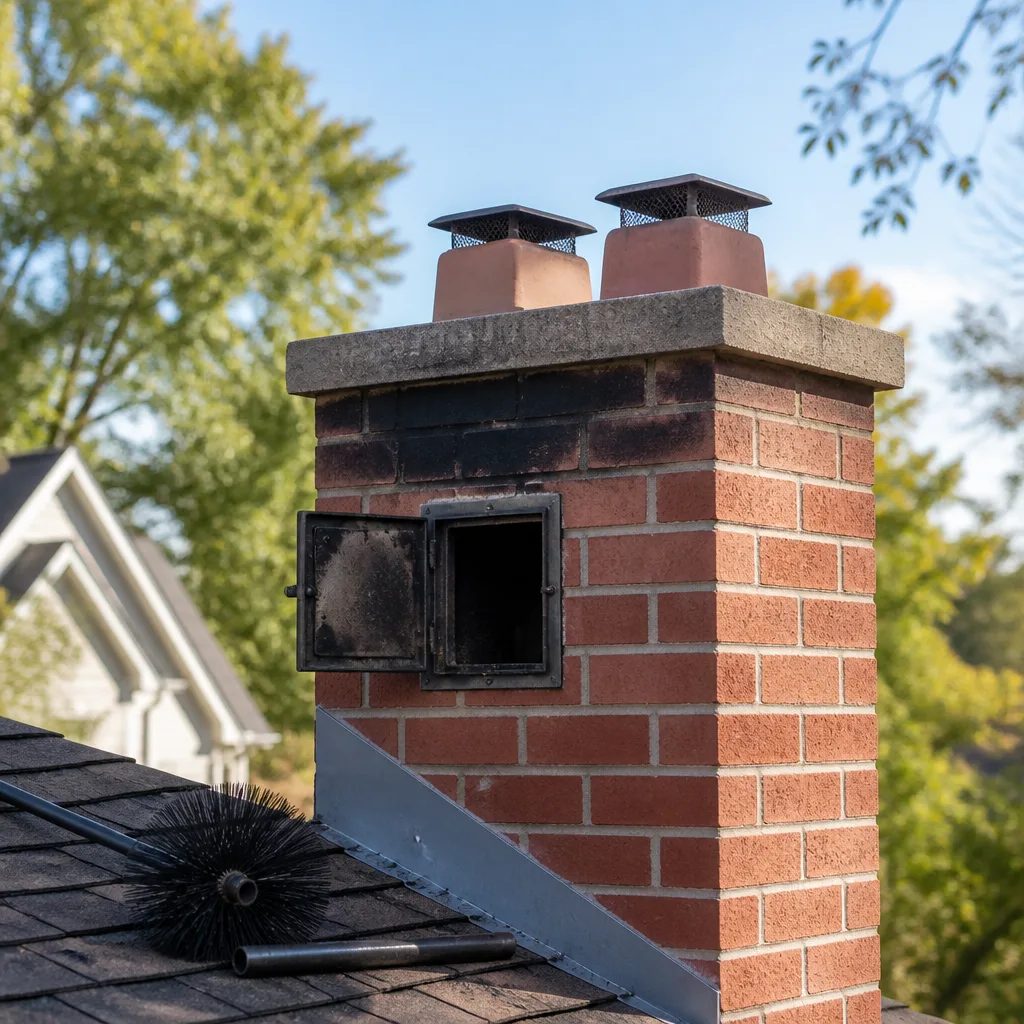 Sweep & inspection
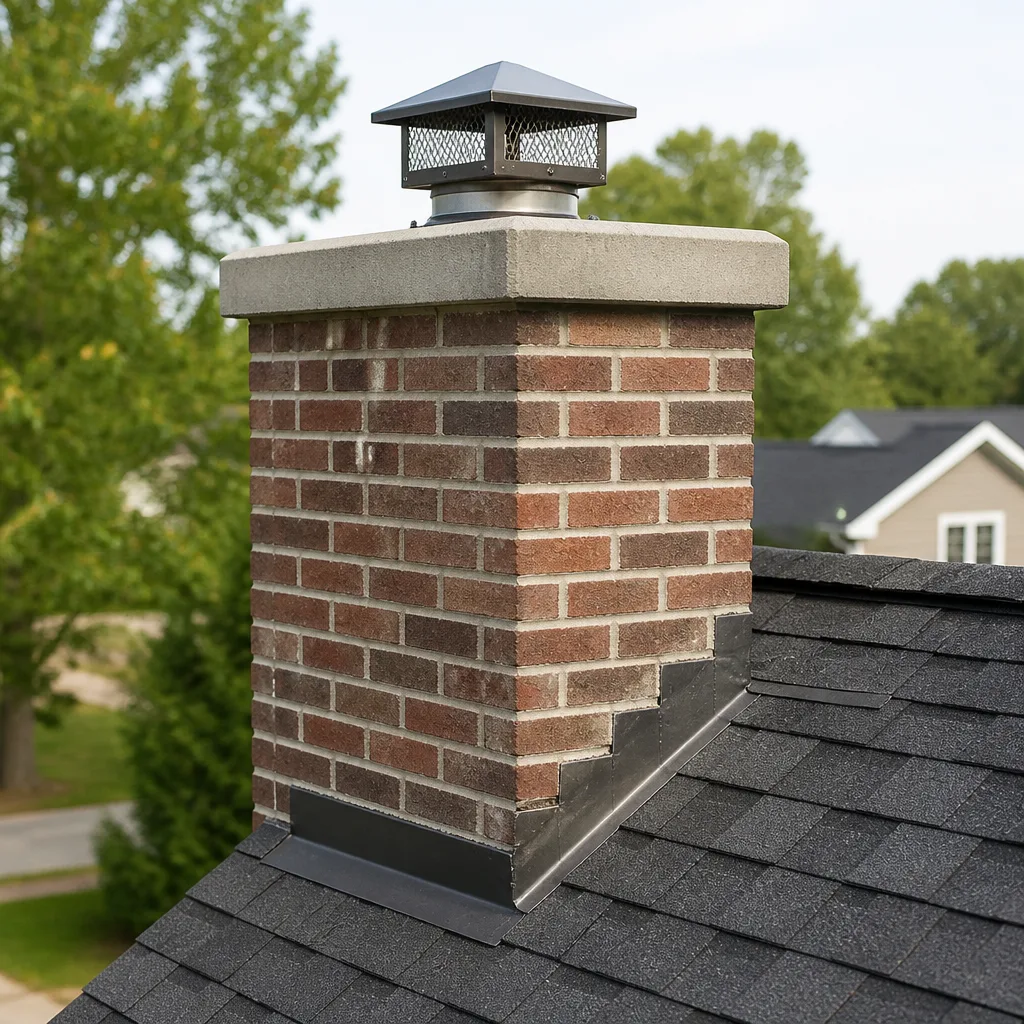 Caps & crowns
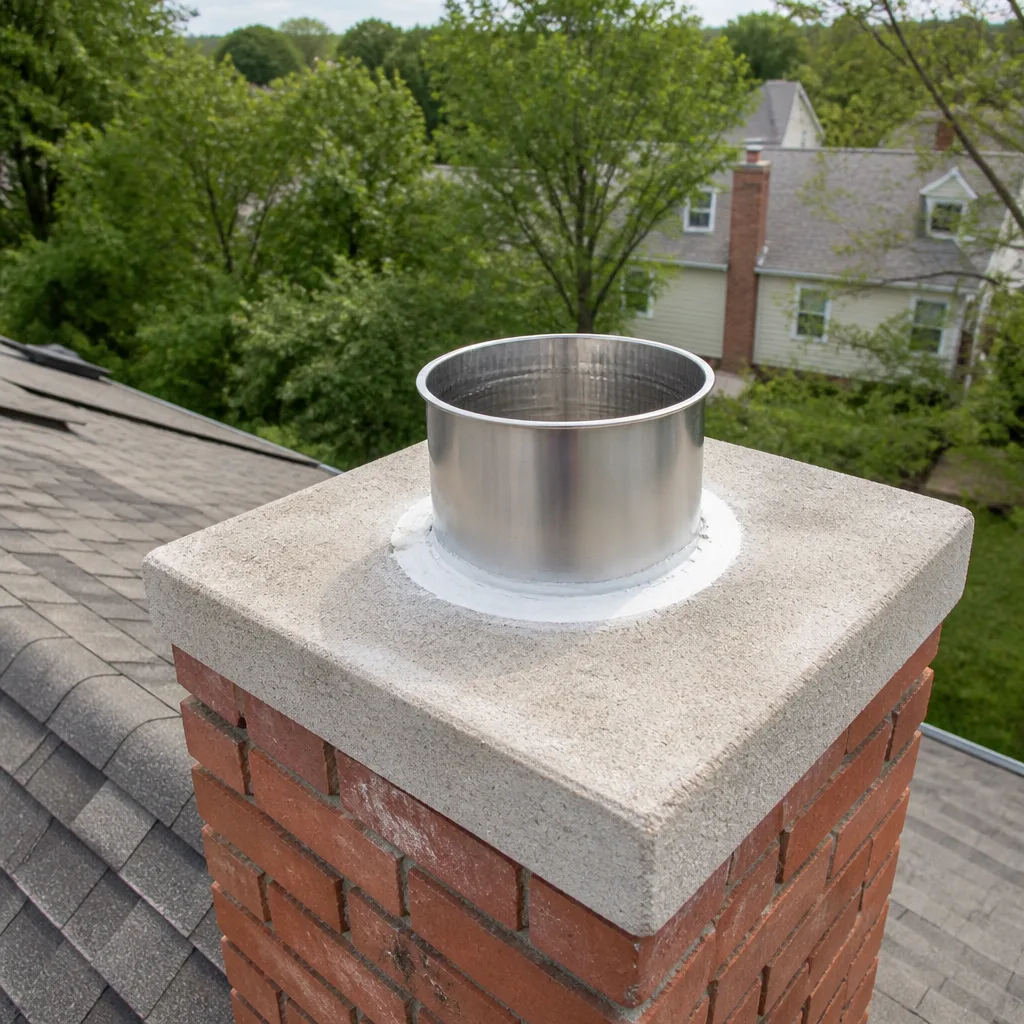 Flue relining
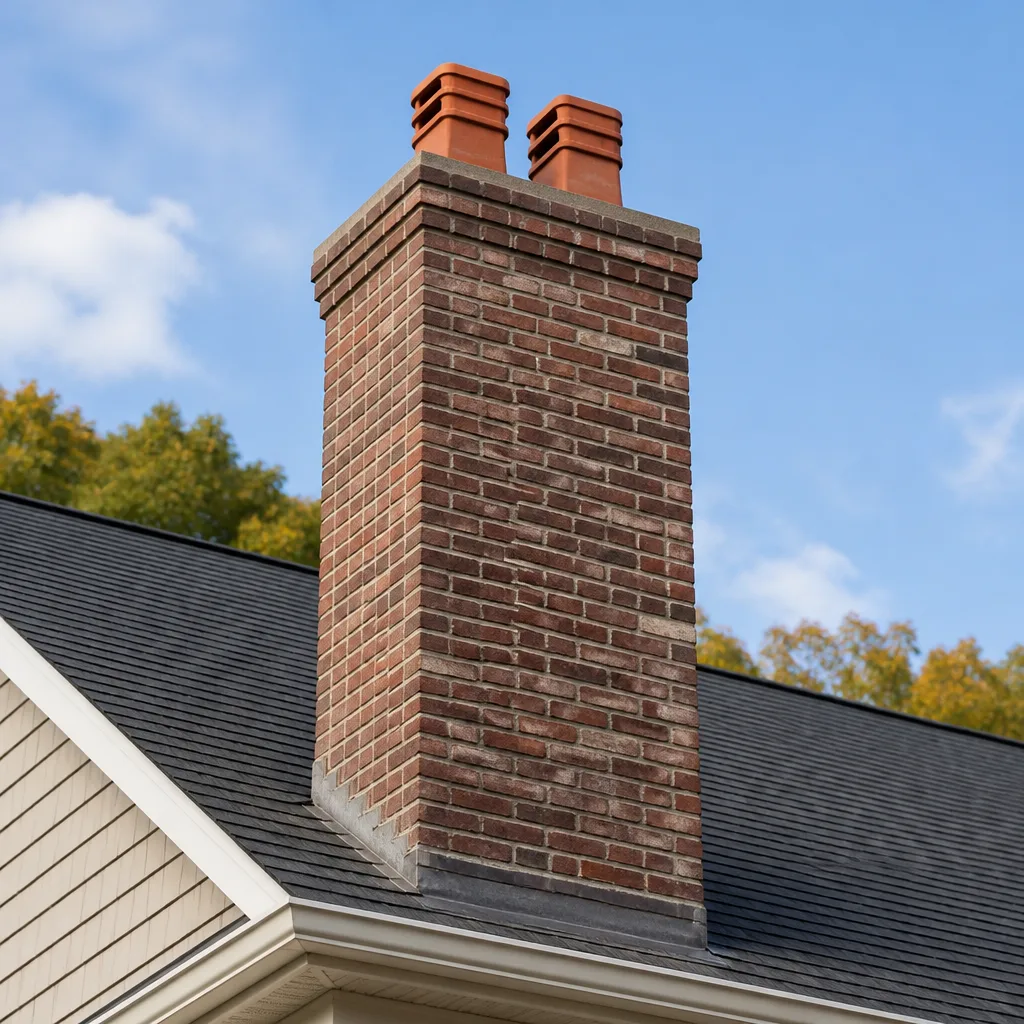 Masonry repair
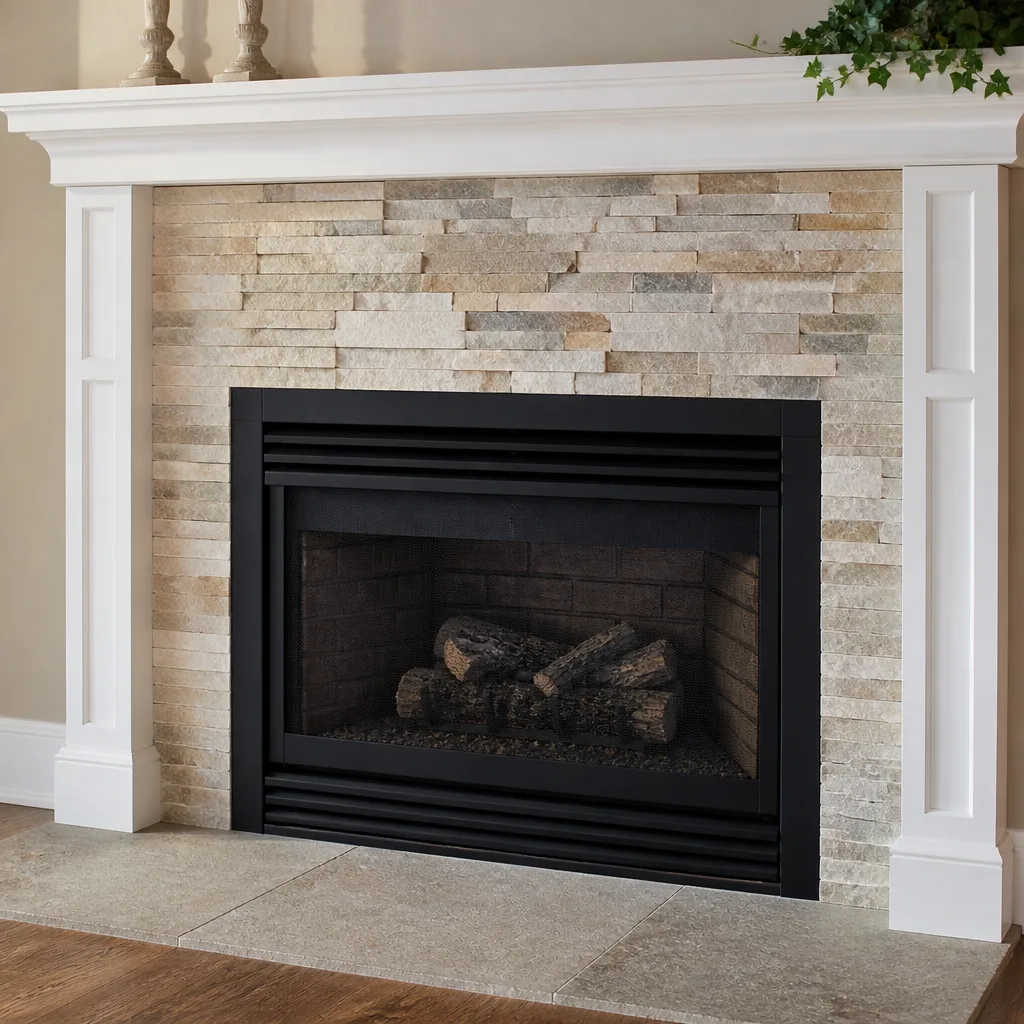 Gas fireplace service
Level 1 sweep and inspection to the NFPA 211 annual standard - flue, crown, cap, and flashing checked and photographed
Chimney sweep logs do not sweep chimneys. They loosen some creosote - which then falls where a brush and vacuum still have to collect it.
Choosing the Right Chimney Cleaning Brand: A Buyer’s Guide for Davie
Most homeowners compare chimney companies on price and availability. They should be comparing something else: the materials those companies put inside the flue. When a technician recommends a stainless steel liner, the alloy grade – 304 or 316Ti – decides whether that liner holds up for a decade and a half or a full generation, and most quotes never name which one you’re getting. The same silence shows up around sealants, caps, dampers and flue resurfacing compounds. This guide walks through the product lines a credentialed chimney specialist actually uses, how to read a materials specification in a written quote, and why the answers tell you more about a company’s technical depth than any truck decal. We’ll use Davie examples since that’s our home market.
Quick Answer
Choosing the right chimney cleaning brand in Davie means checking three things: whether the company names specific professional-grade product lines (DuraFlex, HeatShield, Gelco, Olympia Chimney, Famco, Copperfield), whether it can explain the alloy grade and sealant type being proposed for your flue, and whether inspection, sweeping and repair all sit with the same team. A company that can answer those questions is working from technical depth. One that can’t is quoting from a catalog it doesn’t fully understand.
Styles & brands we work with
- Sweep & inspection
- Caps & crowns
- Flue relining
- Masonry repair
- Gas fireplace service
Table of Contents
- Why Chimney Brands Matter More Than Most Homeowners Realize
- The Product Lines a Credentialed Chimney Specialist Uses
- Stainless Steel Liner Alloy Grades: 304 vs. 316Ti Explained
- How to Read a Materials Specification in a Quote
- Chimney Sealants and Waterproofing: Vapor-Permeable vs. Film-Forming
- Why Product Choices Reveal Technical Depth
- What Davie Conditions Mean for Material Selection
- Questions to Ask Before You Authorize Work
Why Chimney Brands Matter More Than Most Homeowners Realize
A chimney is a small structure with outsized consequences. Everything inside it – the flue liner, the damper, the crown, the cap – sits in a punishing environment. Heat, creosote, moisture, and combustion byproducts work on those materials continuously, and the difference between a commercial-grade component and a commodity substitute shows up years later, usually when something has already failed.
That’s why brand choice is not a marketing detail. It’s a specification decision. When we quote a relining job, the brand and grade of the liner determine how the flue performs under the exact conditions inside your chimney. A chimney supply house stocked with professional lines – the kind contractors use – carries materials tested to published standards. A hardware store shelf carries what sells at a price point.
Here’s the practical implication for anyone hiring a chimney sweep in Davie: ask what product the technician intends to install, and why. If the answer is “a good one” or “whatever we have on the truck,” you’ve learned something. If the answer names an alloy grade, a sealant formulation and a manufacturer, you’re talking to someone who treats the job as a technical spec rather than a task.
In our experience, homeowners rarely push back once they understand this. The skepticism isn’t about price – it’s about being given vague reassurances. Specifics cure that faster than any warranty card.
The Product Lines a Credentialed Chimney Specialist Uses
Professional chimney work draws on a relatively small universe of manufacturers. Knowing the names helps you verify that a company works within that universe rather than improvising. Here are the lines we work with and what each one is designed to do.
HeatShield
HeatShield is a flue resurfacing system – a repair method, not a cleaning product. It restores a cracked or deteriorated clay tile liner by applying a specialized compound to the interior, creating a new, smooth, sealed surface. This capability alone separates a genuine chimney specialist from a sweep-only service. Resurfacing requires trained application and the right material; a generalist handyman can’t do it properly. When a company tells you it can address a cracked clay liner without a full reline, ask whether HeatShield or an equivalent system is being used.
DuraFlex
DuraFlex is a flexible stainless steel liner system. It’s used for full or partial relining of a damaged or undersized flue, and it’s the practical solution when the original clay tile is beyond resurfacing. Flexible liners matter in Davie because they can navigate the offsets and angles common in older masonry chimneys without requiring demolition. The brand matters because the alloy and construction of the liner determine its service life.
Gelco
Gelco covers a family of chimney maintenance and repair products, including sealants and related formulations used in flue and crown work. This is where the chemical side of the trade comes in – the right sealant protects masonry while letting it breathe, and the wrong one traps moisture.
Olympia Chimney
Olympia Chimney produces venting components and chimney system products. It comes up when a fireplace or appliance needs proper venting configuration – caps, connectors, and the structural parts that complete a chimney system.
We also work with Famco and Copperfield for dampers, caps and venting components. Six lines gives us the ability to match a repair to the right material for the flue type, the heat source and the budget. It’s not about brand loyalty. It’s about having the right tool for the diagnosis, not the one closest to hand.
Stainless Steel Liner Alloy Grades: 304 vs. 316Ti Explained
This is the section most quotes leave out, and it’s the one that costs homeowners years of service life. Stainless steel liners come in grades, and the grade isn’t cosmetic. It determines corrosion resistance and, therefore, longevity.
What 304 Grade Means
Grade 304 is the standard austenitic stainless steel used in many liner applications. It handles the heat of typical wood-burning fireplaces and the chemistry of normal flue environments well. For many installations, 304 is the correct, adequate choice – and a technician who recommends it for a straightforward gas insert or a lightly used fireplace isn’t cutting corners.
What 316Ti Grade Means
Grade 316Ti adds titanium and molybdenum, which significantly improves resistance to chloride-based corrosion and thermal stress. It costs more. It’s the grade specified where the flue environment is more aggressive – certain wood-burning conditions, exposure to moisture, and installations where the liner is expected to last a full generation.
Why Davie Conditions Complicate the Choice
Davie sits in humid South Florida, where the air carries moisture for most of the year and temperature swings between air-conditioned interiors and outdoor humidity are modest but constant. That humidity matters inside a chimney: when a masonry chimney sits unused during the warm months, moisture migrates through the structure and contacts the exterior of the liner. A liner’s corrosion resistance becomes a real variable, not a theoretical one. This is the reasoning behind specifying 316Ti more often in our region than a technician in a dry climate would. The correct grade depends on the fuel, the usage pattern and the masonry, so it’s a diagnosis, not a default.
If a quote doesn’t state the alloy grade, that’s your first question. “Which grade, and why?” is a fair one, and a specialist will answer it without hesitation. For more on how relining fits into broader repairs, see our notes on chimney repair.
How to Read a Materials Specification in a Quote
Most chimney quotes are one line: “install stainless liner, $X.” That’s not a specification. It’s a wish. A professional quote names the materials, and you can ask for that in writing before authorizing any liner, cap or sealant work. Here’s what a complete specification should include:
- Liner brand and alloy grade. “DuraFlex 316Ti” is a specification. “Stainless liner” is not. The grade determines corrosion resistance and expected service life.
- Liner size and insulation. The diameter must match the appliance’s venting requirements. Insulation around the liner affects draft and temperature performance, especially in a climate with warm, humid off-seasons.
- Cap and damper components. Brand and material for the cap matters – a cheap cap rusts or warps, and a failing cap lets water enter the flue. Ask whether Famco or Copperfield components are specified.
- Sealant type. The exact product and classification. Vapor-permeable and film-forming sealants do different jobs, and the wrong one can trap moisture in masonry.
- Resurfacing compound (if applicable). If HeatShield or an equivalent system is being used, the quote should say so, along with the scope and thickness.
- What’s excluded. A good quote says what it won’t do – crown repair, masonry rebuild, chase cover – so there are no surprises later.
A company that can produce this list is a company you can hold to account. A company that won’t is telling you something about how it operates.
Chimney Sealants and Waterproofing: Vapor-Permeable vs. Film-Forming
Water is the slow killer of masonry chimneys, and the sealant you choose determines whether that water escapes. This is the part of the trade most often handled with the wrong product.
Vapor-Permeable Sealants
Masonry is porous. Moisture that enters brick, mortar or stone needs a path out. A vapor-permeable sealant blocks liquid water on the outside while allowing water vapor to escape from inside. This is the correct choice for most masonry chimneys because it keeps the wall dry without trapping moisture behind a barrier.
Film-Forming Sealants
Film-forming products create a continuous coating on the surface. On some materials they work fine. On a breathable masonry wall they can trap moisture, and trapped moisture expands as it warms and freezes (where freezing occurs) or simply drives efflorescence and spalling over time. On a chimney, spalling is serious – it means the masonry surface is breaking apart.
Gelco and similar professional lines include products formulated for this distinction. When a technician can explain why they’re choosing a vapor-permeable product rather than a film-forming one, you’ve found someone who understands masonry behavior, not just product labels. It’s also the kind of question worth asking directly: “Is the sealant vapor-permeable?” If the answer is a blank look, keep looking.
Why Product Choices Reveal Technical Depth
A chimney company’s product shelf is a proxy for its competence, and here’s why. Installing the wrong liner grade, sealing masonry with the wrong product, or capping a flue with an under-spec component does not fail immediately. It fails years later, when everyone has moved on. The company that understands this chooses materials carefully because the work has to outlast the inspection.
Ask a technician to explain alloy grades or sealant chemistry and you’ll get one of two responses. One is a real explanation with reasoning. The other is a deflection. The difference is the difference between a company that diagnoses and one that executes a script. This is why we work exclusively with professional chimney industry brands: those products come with the technical data that lets us match the material to the problem, and that’s what the job requires.
The other half of the equation is single-point accountability. When the company that inspects is also the company that sweeps and repairs, there’s no handoff and no finger-pointing. If the inspection finds a problem, the same team that found it has the capability – HeatShield resurfacing, DuraFlex relining, Famco and Copperfield component replacement – to correct it. For homeowners in Davie, that matters because a chimney problem that gets passed between a sweeper and a masonry contractor tends to get solved slowly or not at all.
What Davie Conditions Mean for Material Selection
Davie’s climate is mild by chimney standards. That changes the material calculus in specific ways.
- Long off-seasons: Many fireplaces sit unused for months while humidity stays high. Moisture works on the exterior of the liner and on masonry, so corrosion resistance and vapor permeability matter more than firebox heat tolerance alone.
- Humidity year-round: Liner alloy grade becomes a live variable. 316Ti carries a premium, but in a humid climate it addresses a real condition rather than a theoretical one.
- Masonry chimneys on older Davie homes: Older masonry chimneys often have clay tile liners that develop cracks over time. HeatShield resurfacing can address a cracked liner without a full reline in the right circumstances, and DuraFlex handles the cases where resurfacing isn’t enough.
- Wood-burning and gas insert mixes: Davie homes run both. Gas appliances have their own venting requirements and corrosion considerations, and the liner grade that suits a wood-burning fireplace isn’t automatically right for a gas insert. Diagnosis comes before material selection.
These aren’t reasons to panic; they’re reasons to ask better questions. A qualified company in Davie will account for humidity and off-season moisture as part of its material specification, not just the fuel type.
Questions to Ask Before You Authorize Work
Here’s the practical checklist. Twelve minutes on the phone with the right questions will tell you more than a truck decal ever will.
- “What liner brand and alloy grade are you specifying, and why?” A real answer includes the grade and the reasoning.
- “Is the sealant vapor-permeable or film-forming?” The right answer for a masonry chimney is usually vapor-permeable, and the technician should know.
- “What cap and damper components are you using?” Brand access – Famco, Copperfield – is a positive signal of professional supply.
- “Can you do flue resurfacing, or only relining?” HeatShield capability signals specialist-level training.
- “Will the same team inspect, sweep and repair, or will you hand off to someone else?” Single-point accountability avoids gaps.
- “What’s excluded from the quote?” A thorough quote names its limits.
If a company can answer all six clearly, you’re dealing with a professional-grade operation. If not, you’ve saved yourself a costly lesson.
Common Mistakes to Avoid
- Accepting a quote that says only “stainless liner.” Without an alloy grade, you can’t compare quotes or verify what’s being installed. Ask for the grade in writing.
- Choosing the cheapest sealant. A film-forming product on a breathable masonry wall traps moisture and accelerates spalling. The savings show up as a repair bill years later.
- Assuming your humidity is irrelevant. In Davie, off-season moisture is a real factor in liner selection and sealant choice. A company that ignores it isn’t accounting for local conditions.
- Hiring a general handyman for a chimney job. Chimney work requires specialized tools, materials and training. A generalist with a brush can’t resurface a flue or properly spec a liner system.
- Skipping the written specification. Verbal promises about materials don’t survive a change in crew or a change in scope. Get the brand, grade and product names in the quote.
- Letting inspection, sweeping and repair sit with three different companies. Gaps open between them, and the homeowner is left managing the handoffs.
- Ignoring a cracked liner because the chimney “still works.” A cracked clay liner is a defect regardless of how the fire behaves. It’s found by camera, and it’s corrected by resurfacing or relining.
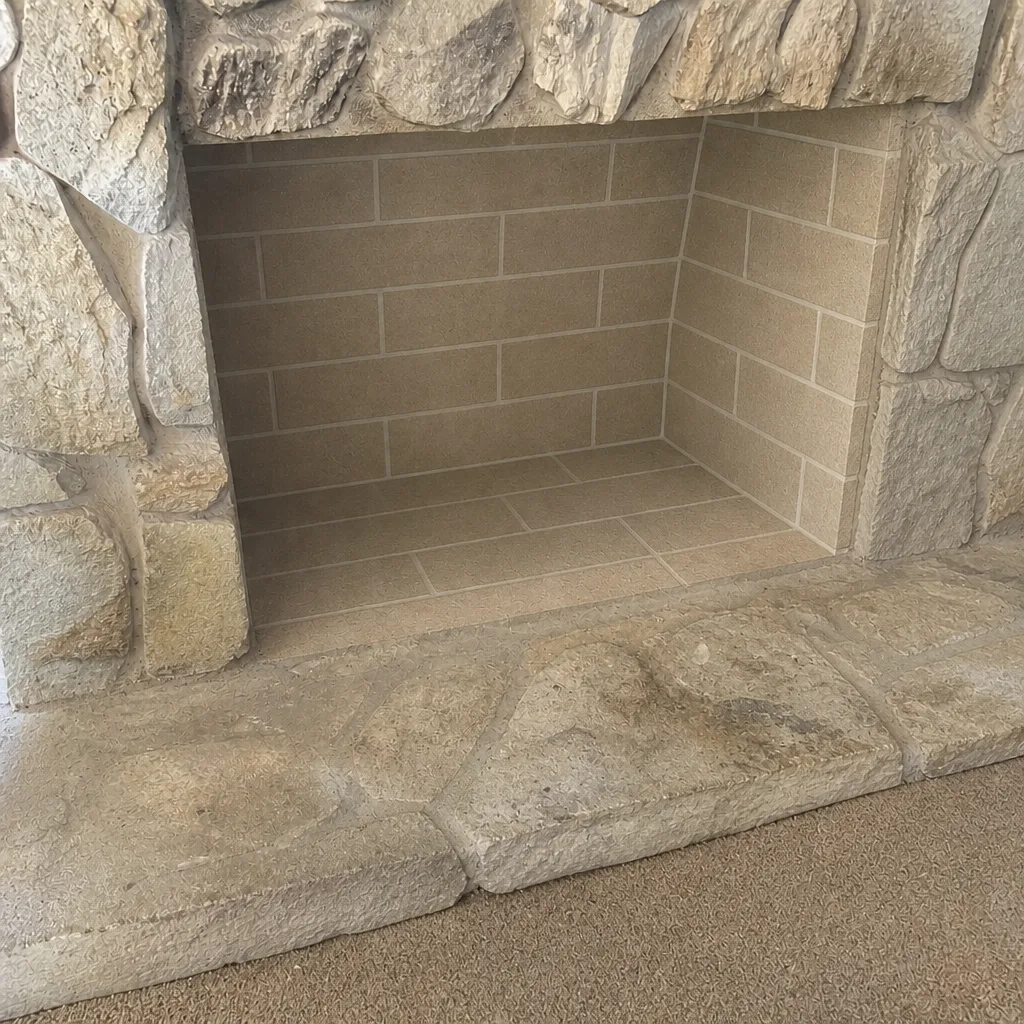
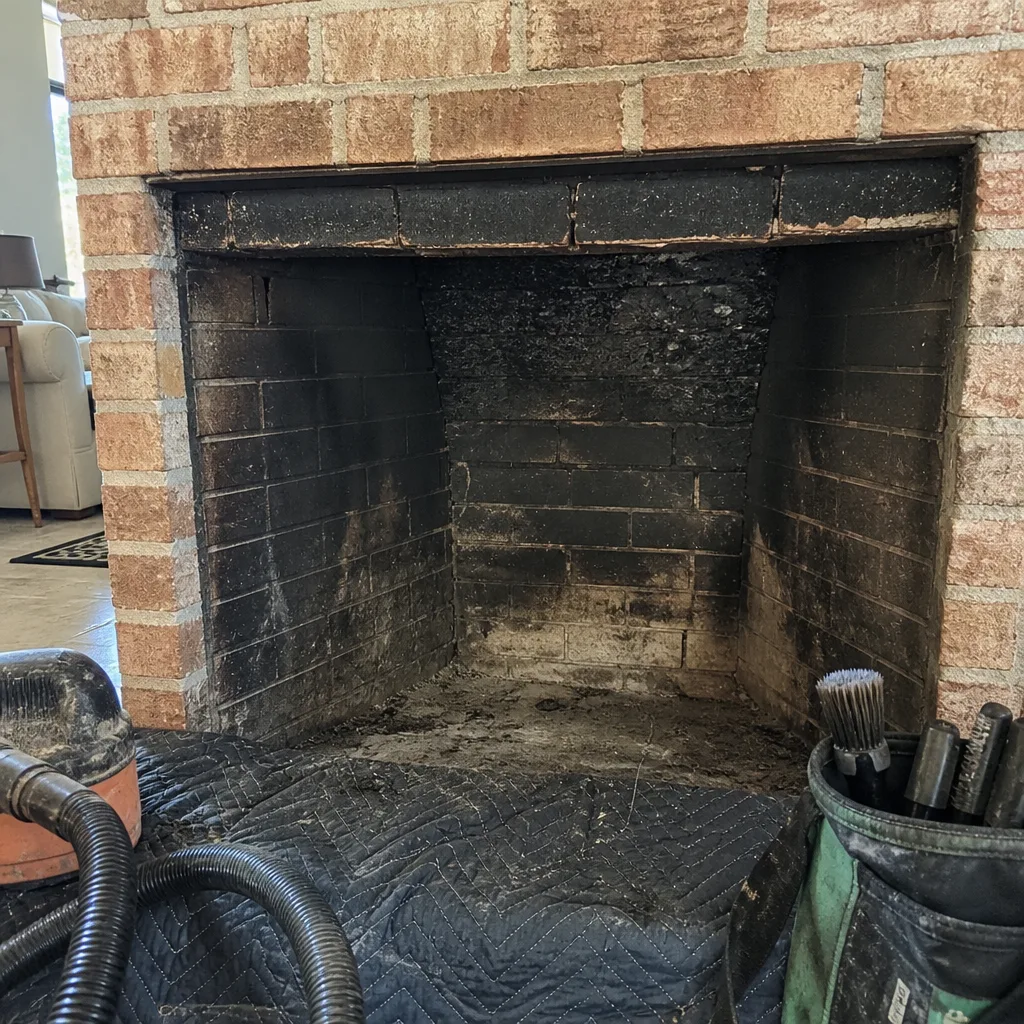
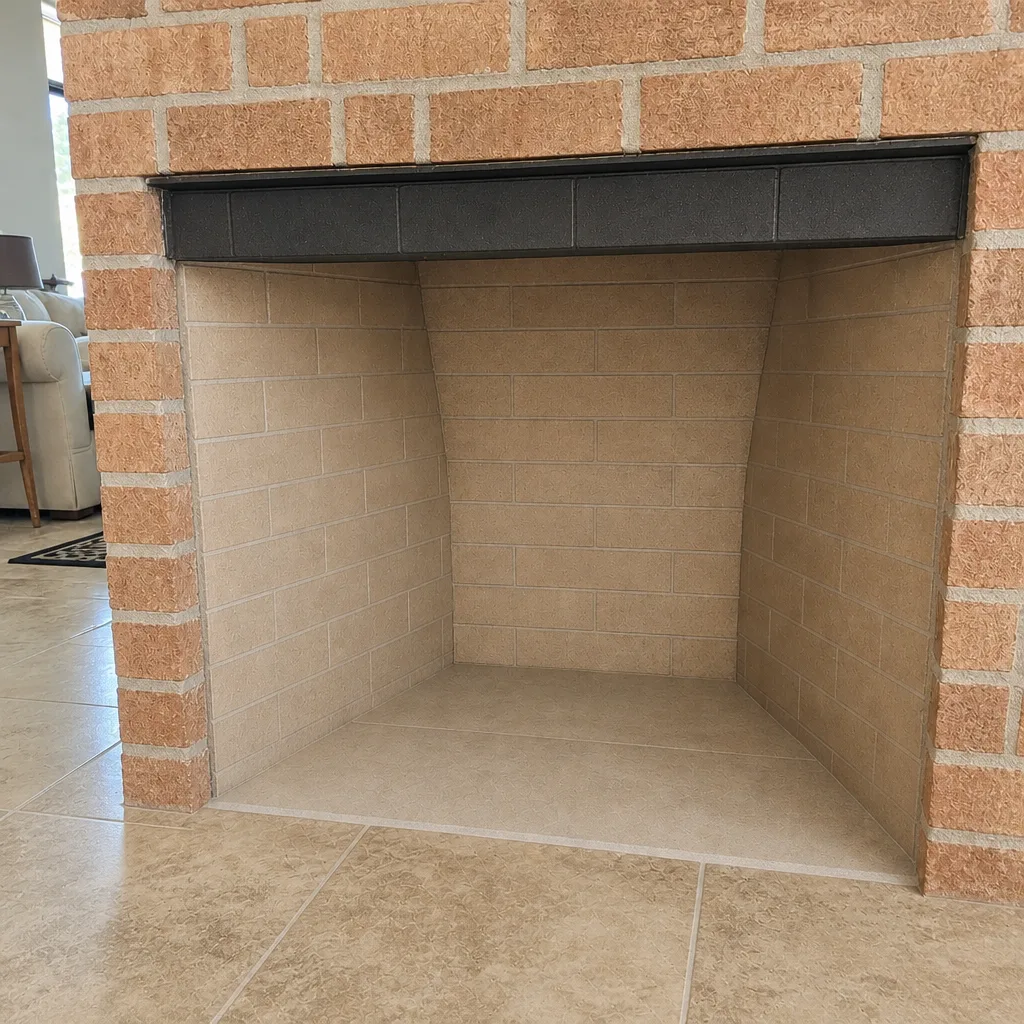
See the difference
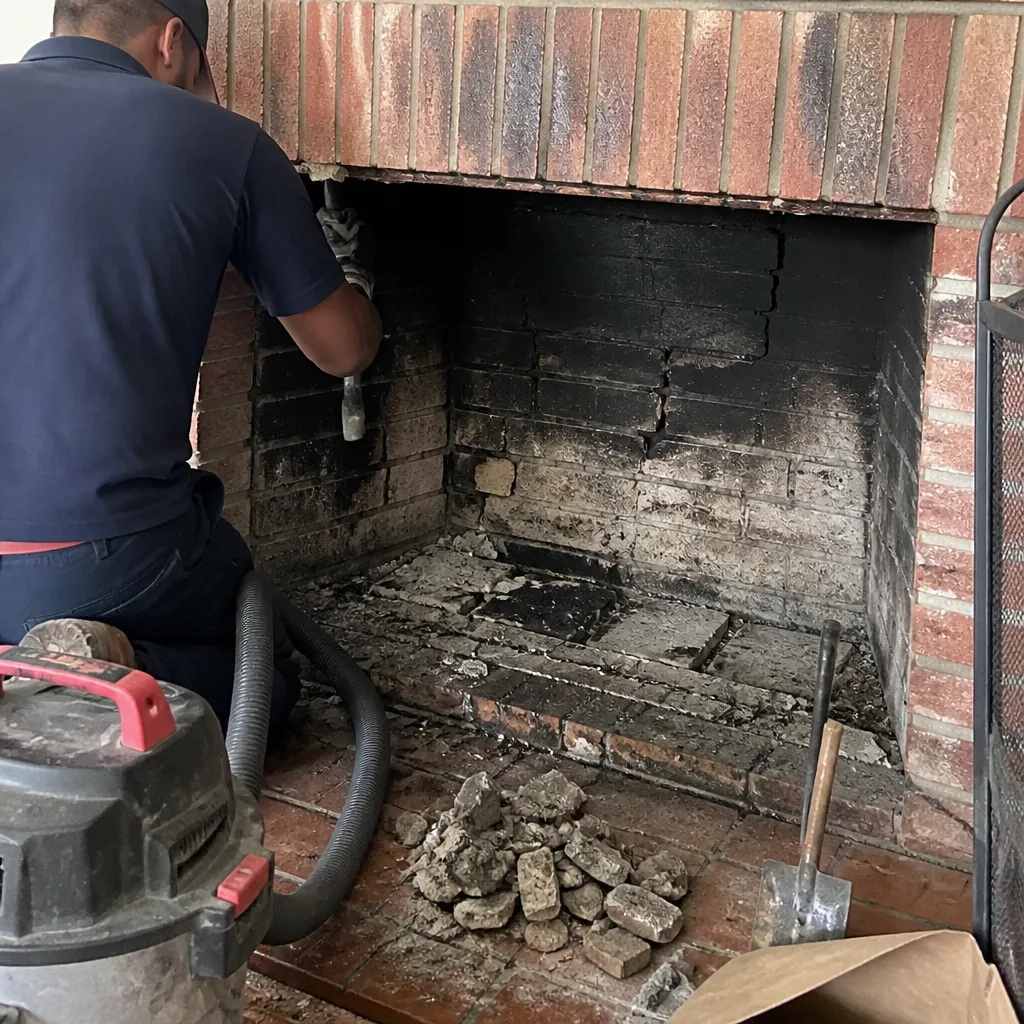 Before
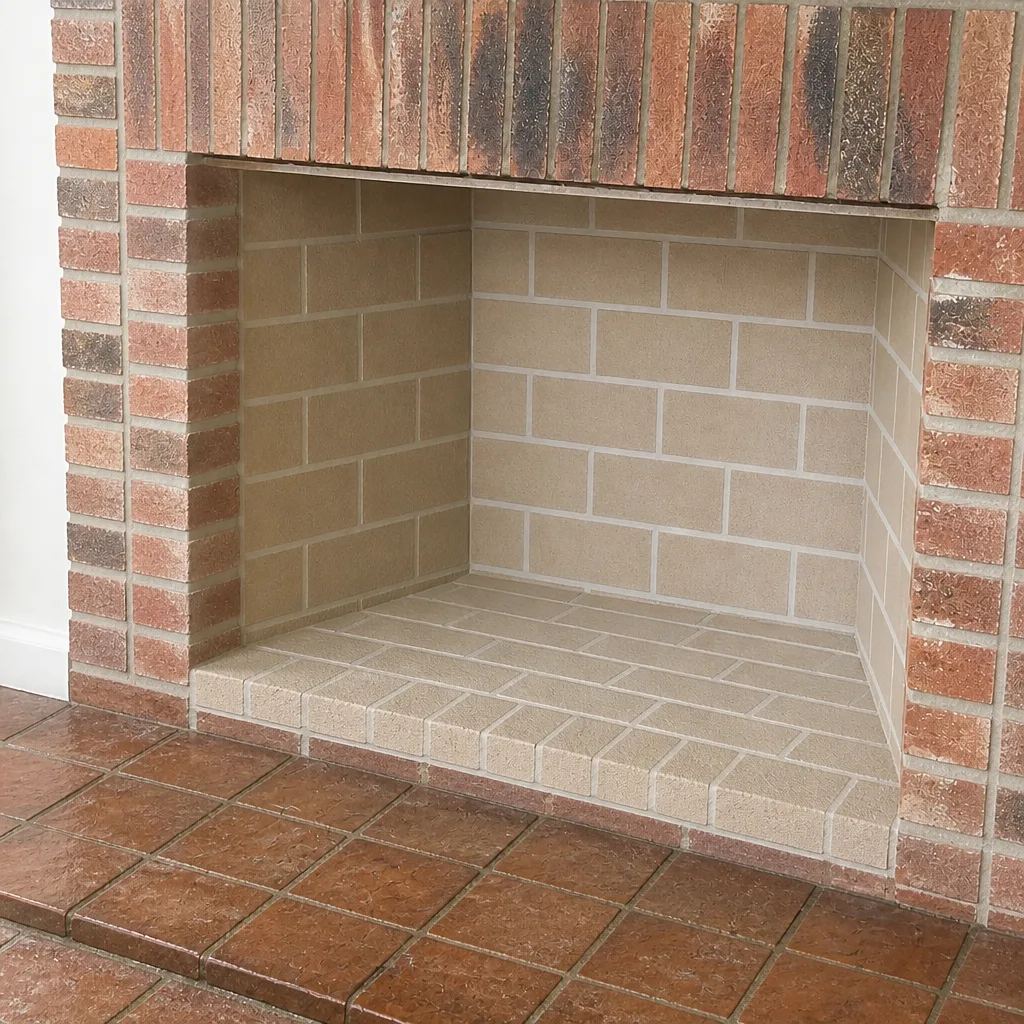 After
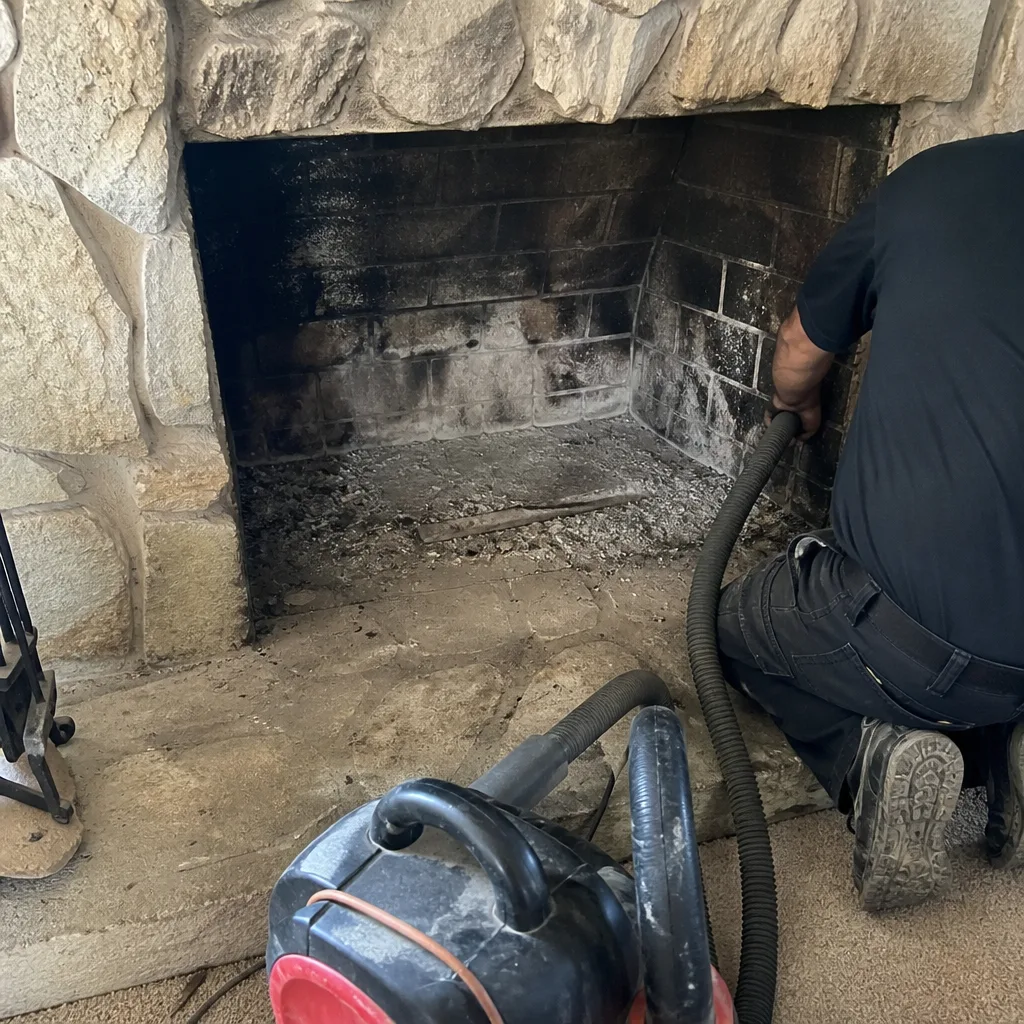 Before
 After
 Before
 After
When to Call a Professional
Product choice matters most when there’s real work to do. Call a professional when the flue needs a camera inspection before you buy or sell a home, when a wood-burning fireplace hasn’t been swept in recent memory, when you notice a cracked or deteriorated clay liner, or when a previous technician recommended liner or masonry work without showing you the camera footage. Those four scenarios account for most of the questions we hear in and around Davie.
Chimney Sweep Davie offers free estimates in Davie. For a written specification of the materials proposed for your flue, call (877) 798-7859. Estimates are free, the price is set per job by the written estimate, and nothing gets recommended without camera evidence you can see for yourself.
Frequently Asked Questions
Credentialed chimney specialists typically work with professional lines such as DuraFlex, HeatShield, Gelco, Olympia Chimney, Famco and Copperfield. These brands supply liners, flue resurfacing systems, sealants, dampers, caps and venting components. The key signal isn’t brand loyalty – it’s whether the technician can explain why a specific product and grade were chosen for your flue. Call (877) 798-7859 for a free estimate with a written materials specification.
It means the products used in your chimney are commercial-grade and specified, not commodity. When a company works with established chimney supply brands, the liner grade, sealant chemistry and component quality are documented and match the diagnosis. When it doesn’t, you’re relying on whatever was available. Ask for brand and grade in writing before authorizing work, and call (877) 798-7859 if you’d like to compare specifications.
Either can be correct, and the choice depends on the fuel, the usage pattern and the masonry. Davie’s humid climate and long off-seasons keep moisture in contact with the liner for much of the year, which makes 316Ti’s added corrosion resistance worth discussing more often than in drier regions. A technician should explain the reasoning, not just name a grade. Call (877) 798-7859 for a free estimate and a clear written specification.
Masonry is porous, and it needs to let moisture escape. A vapor-permeable sealant blocks liquid water while allowing vapor to pass through; a film-forming sealant can trap moisture inside the wall and accelerate spalling. On a Davie chimney that sits unused through the humid months, that distinction is not academic. Ask any company to name the sealant and confirm it’s vapor-permeable. Call (877) 798-7859 for a free estimate.
No, not properly. Liner installation and flue resurfacing require specialist materials and training, which is why sweep-only services can’t perform them. A dedicated chimney specialist handles inspection, sweeping and repair with the same team – HeatShield resurfacing and DuraFlex relining included – so there’s no handoff. If a sweep-only company offers relining, ask what brand and grade it will install. Call (877) 798-7859 to compare specifications.
Ask for a written quote that names the product lines and grades: the liner brand and alloy grade, the cap and damper components, and the sealant type. A company that can produce that list is working from professional supply; one that can’t is improvising. That’s the practical test, and it’s the one we recommend to every homeowner. Call (877) 798-7859 for a free estimate.
The Bottom Line
The materials hidden inside a chimney quote decide how long the work lasts. Alloy grades – 304 vs. 316Ti – determine liner service life, especially in Davie’s humid climate. Sealant chemistry decides whether masonry stays dry or spalls. Brand choice is a proxy for technical depth: a company that names DuraFlex, HeatShield, Gelco, Olympia Chimney, Famco and Copperfield and can explain why each is specified is operating at a different level than one that can’t. Ask for the specification in writing, confirm inspection, sweeping and repair sit with one team, and let the details guide the decision. For help with any of it in Davie, we’re reachable at (877) 798-7859.
Written by the team at Chimney Sweep Davie.