
Last updated November 16, 2026
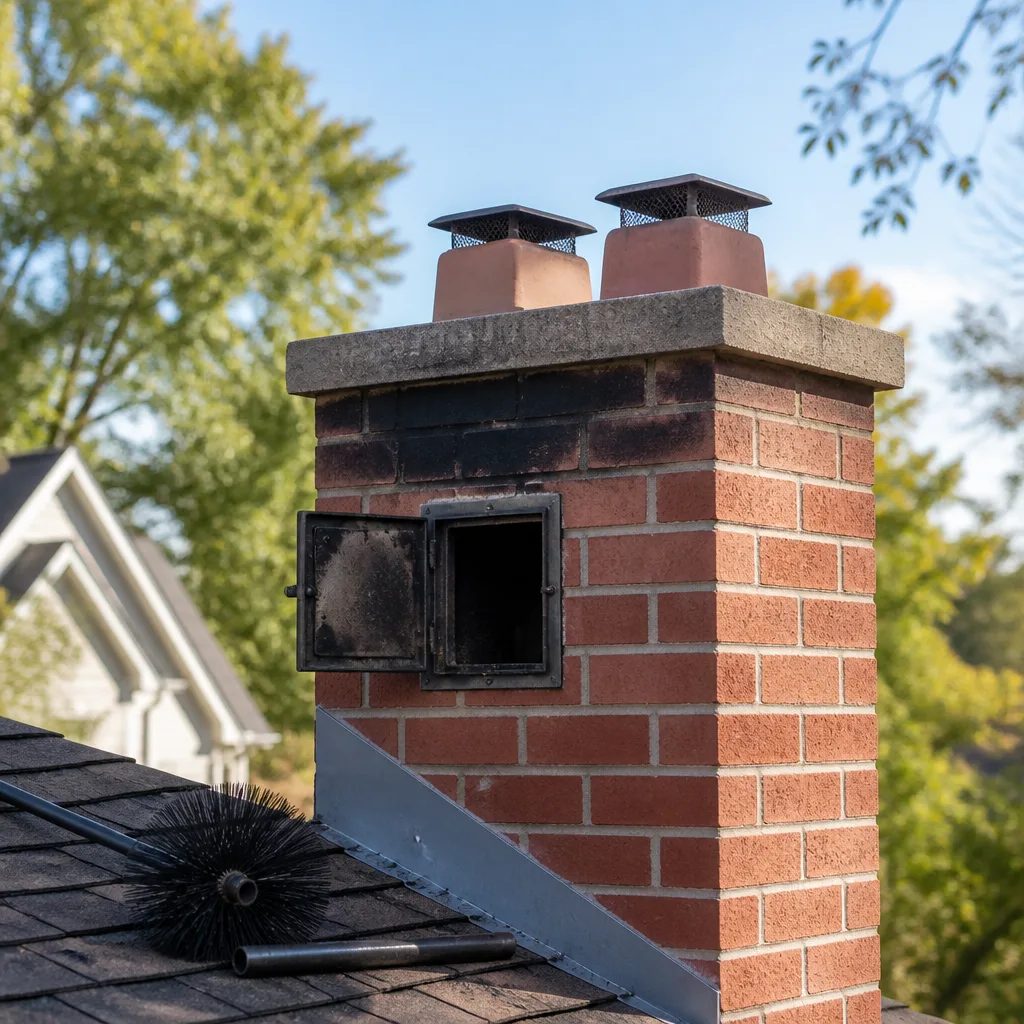 Sweep & inspection
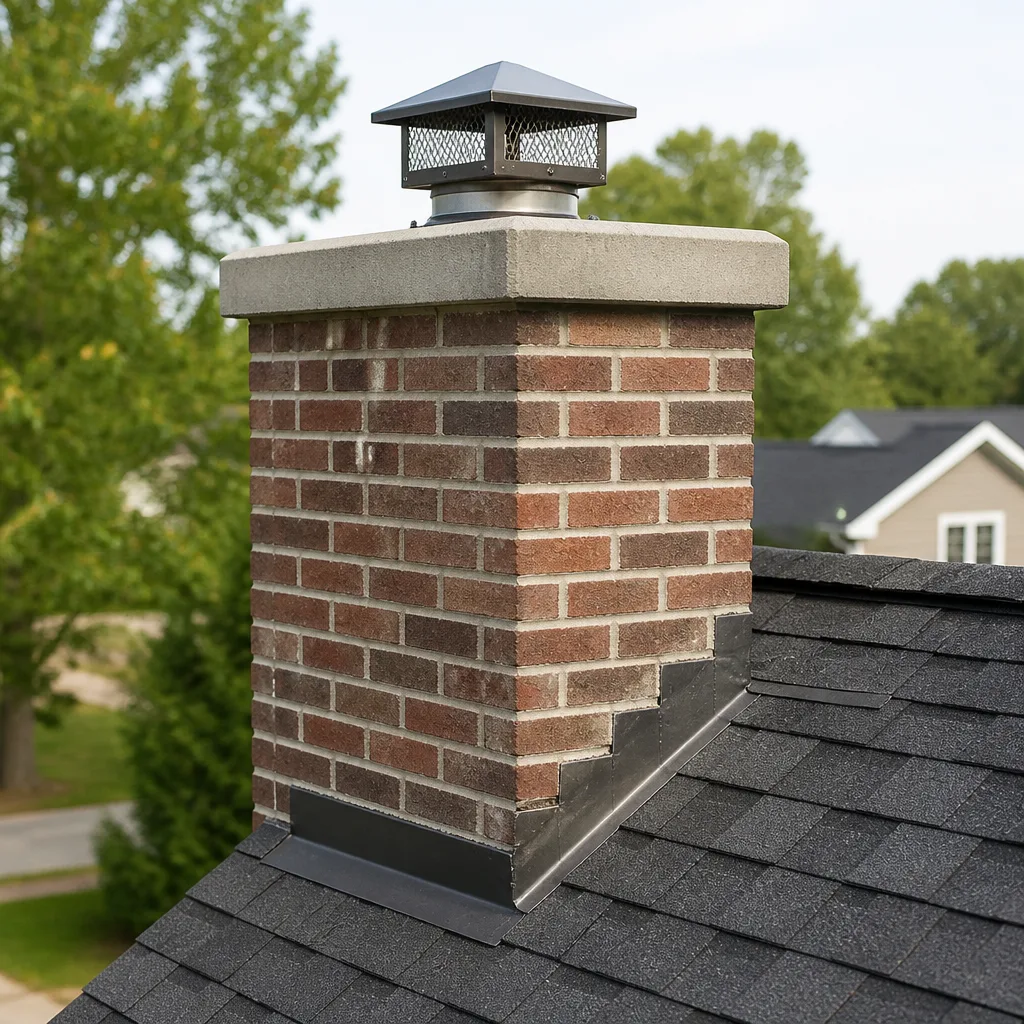 Caps & crowns
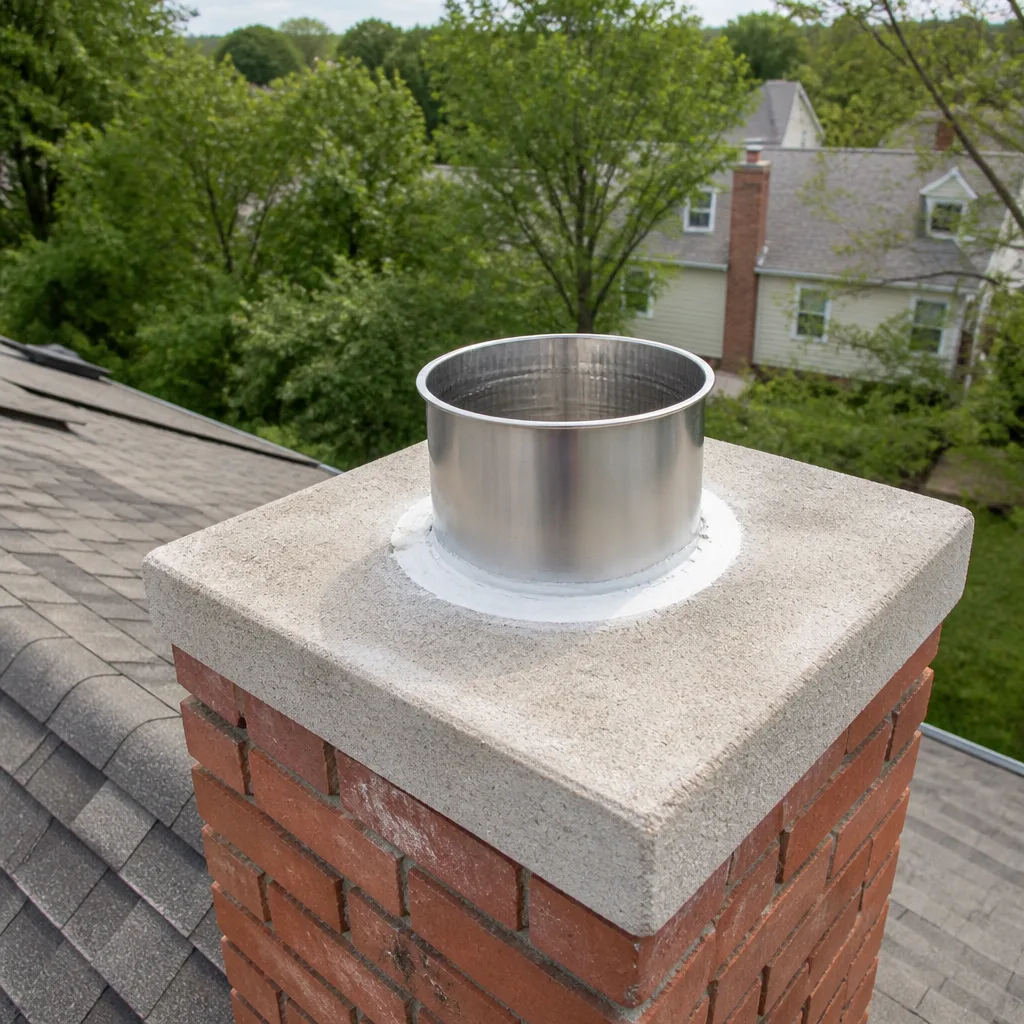 Flue relining
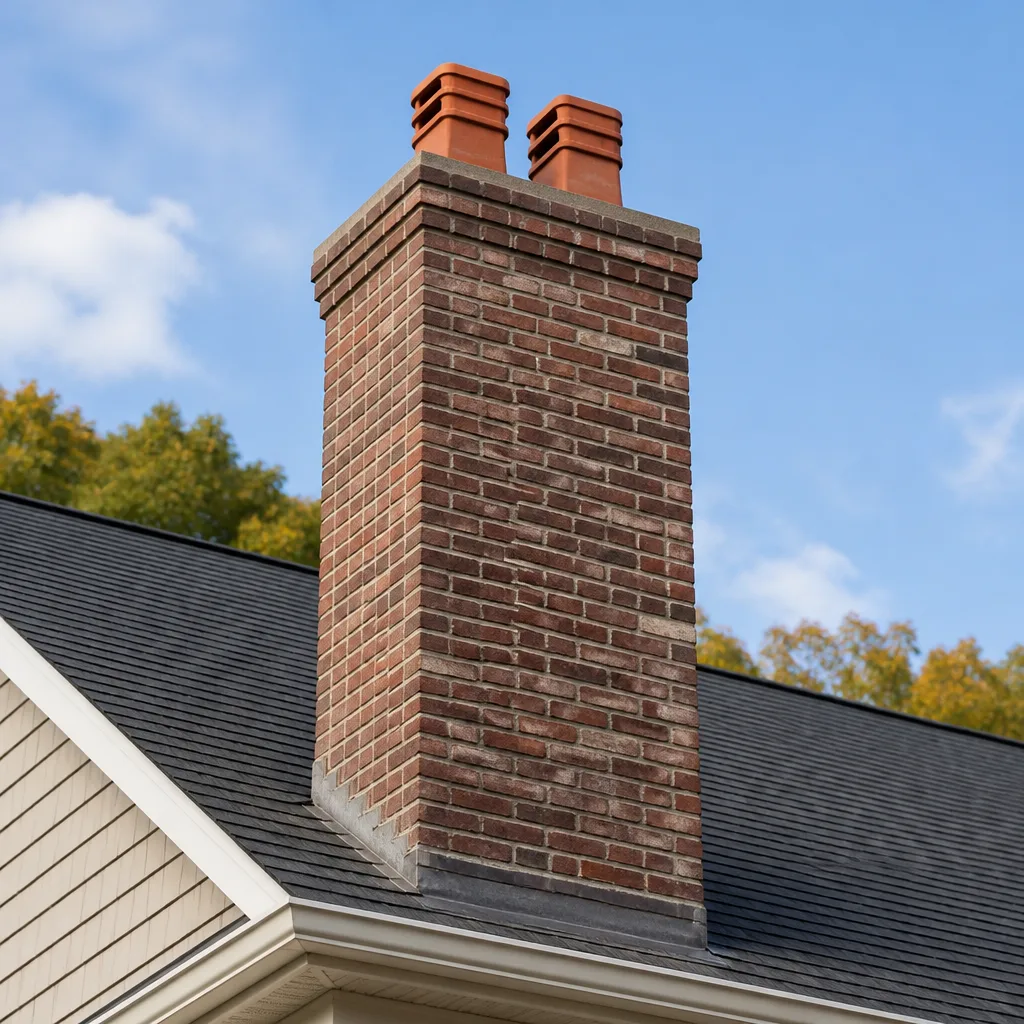 Masonry repair
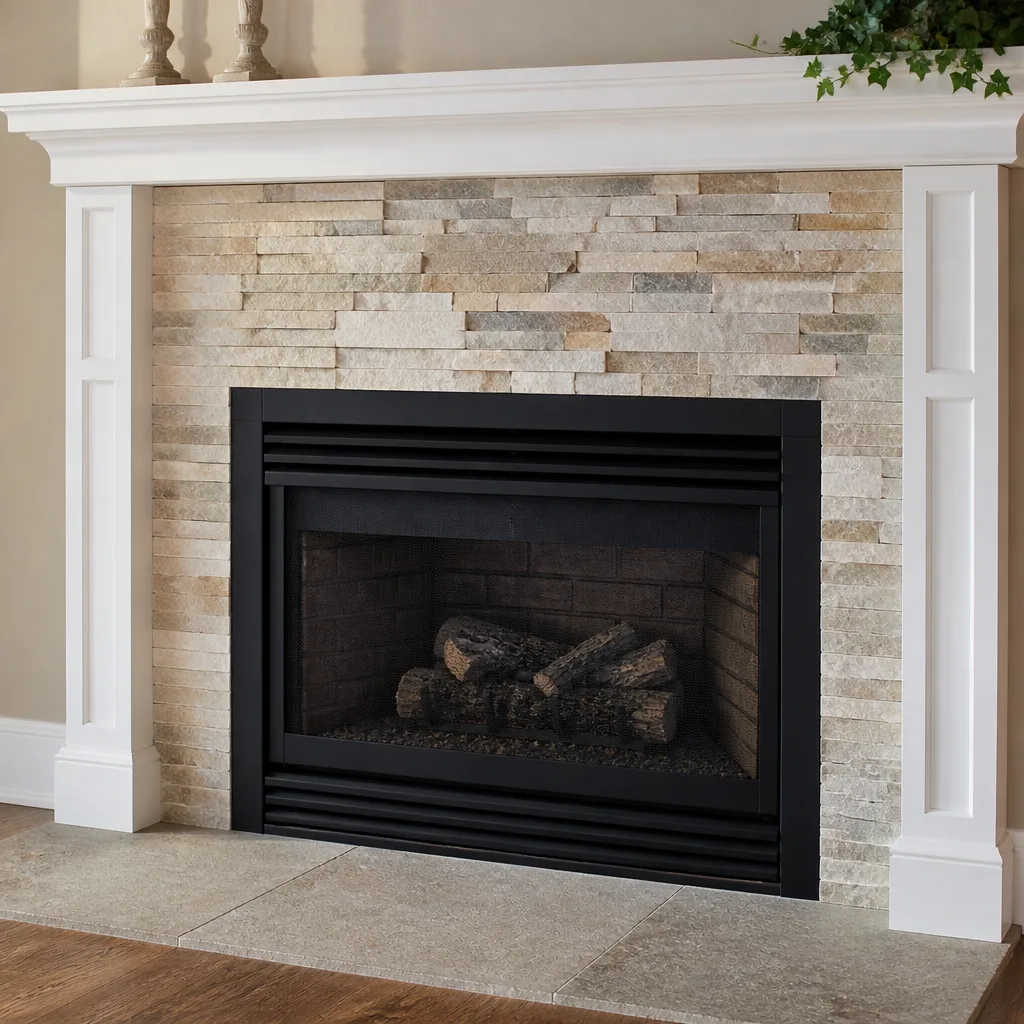 Gas fireplace service
Level 1 sweep and inspection to the NFPA 211 annual standard - flue, crown, cap, and flashing checked and photographed
Chimney sweep logs do not sweep chimneys. They loosen some creosote - which then falls where a brush and vacuum still have to collect it.
Chimney Inspection Maintenance Checklist for Davie Homeowners
Most chimney damage we find is not sudden. It builds quietly over seasons while the house stays warm and nothing looks wrong from the living room. In South Florida specifically, the culprits tend to be spalled fireboxes, liner sections that have cracked and separated, and crowns that have worn down to soft, porous mortar, and each one sends out early warning signs that homeowners walk past for two or three seasons because they don’t know what they’re looking at. This guide breaks the chimney down component by component, explains what each part does and how it fails, and shows you what you can safely check yourself from the ground in Davie.
Quick Answer
A chimney inspection in Davie should cover seven components: the cap, crown, flashing, flue liner, smoke chamber, firebox, and damper, and each one has specific failure signs to look for. You can assess the crown, cap, and exterior joints from the ground, but the liner, smoke chamber, and firebox need a technician with camera equipment. Annual inspection matters more here than in cold climates because the wet season’s daily rain followed by dry months is what drives crown cracking and flashing failure.
Styles & brands we work with
- Sweep & inspection
- Caps & crowns
- Flue relining
- Masonry repair
- Gas fireplace service
Table of Contents
- Why the Inspection Matters More Here Than in Cold Climates
- What a Compliant Inspection Actually Covers: NFPA 211 in Plain Terms
- The Seven Components: What Each One Does and How It Fails
- What You Can Safely Check From the Ground
- What Summer Storm Season Does to Your Crown and Flashing
- What Requires a Technician and Camera Equipment
- How to Document and Track Chimney Condition Year Over Year
- Building an Annual Maintenance Schedule That Fits Your Fireplace
Why the Inspection Matters More Here Than in Cold Climates
The conventional wisdom about chimney care was written for places with hard winters and months of continuous burning. Davie does not work that way. Most homes here burn a fraction of the cordwood a northern household does, so the creosote load is lower and the fire risk from glazed buildup is smaller than the fire-safety messaging out there suggests. That’s the good news, and it’s also the trap.
What actually damages chimneys in this climate is water. Davie’s wet season delivers heavy, driven afternoon rain for months, and then the dry season pulls moisture back out. That wet-dry cycle works on masonry the same way it works on anything else: water soaks into mortar and masonry surfaces, expands slightly, and stresses the material when it dries. Repeat that hundreds of times and the softest, most exposed parts of the chimney take the damage first. The crown and the flashing at the roofline are always at the front of that line.
So the inspection conversation in Davie is a little different from what you’ll read on national fireplace sites. You still need to know about creosote and flue deposits, because a wood-burning fireplace will produce both. But the checklist that actually protects your house here leans toward:
- Water intrusion at the crown, flashing, and chimney-to-roof joint
- Spalling brick and failing mortar joints in the exterior stack
- Interior liner condition, checked by camera, since cracks that let flue gases into surrounding construction are often invisible from above
- Draft and flow through the smoke chamber, which affects how the fireplace behaves when you do build a fire
- Damper operation, including rust and corrosion from humid air sitting in the flue
The system matters as much as the burning. An older masonry chimney in a Davie home has probably been through dozens of wet seasons, and it’s had time to show every weakness its original construction left. If you want a sense of how we approach the full picture, our Chimney Sweep Davie page lays out the service side; this guide is about what you should understand before that visit.
What a Compliant Inspection Actually Covers: NFPA 211 in Plain Terms
NFPA 211 is the national standard for chimneys, fireplaces, vents, and solid fuel appliances. When a chimney professional says an inspection was done to NFPA 211, it means the inspection followed a defined scope rather than a quick look down the flue with a flashlight. The standard recognizes three levels, and knowing which one you’re getting is the difference between an inspection and a glance.
- Level 1 inspection. Readily accessible portions of the chimney and venting, plus the appliance connections, checked without any tools that would damage the chimney. This is the routine annual check for a chimney that’s in continued service with the same appliance and no known problems.
- Level 2 inspection. Everything in Level 1 plus accessible areas of attics, crawl spaces, and the chimney exterior, and it includes a video scan of the flue interior. It’s required after a change in the appliance, after a chimney fire, or when a property changes hands.
- Level 3 inspection. A Level 2 plus the removal of parts of the chimney or building construction to reach areas that can’t otherwise be accessed. This is the last resort when a serious defect is suspected somewhere hidden.
Most Davie homeowners with a wood-burning insert or an original masonry fireplace want a Level 2 at least once, because the video scan is the only way to actually see liner cracks and gaps in the smoke chamber. Once the chimney is documented and healthy, Level 1 checks keep it that way.
Camera inspection with a photo report should be part of any inspection you book, and you should get the images. Nothing gets recommended without evidence you can look at yourself. That’s the whole point of the standard being defined: it gives both sides a shared reference for what “inspected” means.
The Seven Components: What Each One Does and How It Fails
Every chimney is the same seven-part system, from the roofline down to the firebox. Here’s what each piece does and what failure looks like.
1. The cap (or chase cover)
The cap is the cover over the top of the flue, usually with a mesh screen on the sides. It keeps rain, birds, squirrels, and debris out of the flue. Failure looks like a missing or rusted cap, a torn screen, or a cap that has come loose and is sitting askew. A missing cap in Davie means rainwater goes straight down the flue during the wet season, and it means wildlife has an easy route in.
2. The crown
The crown is the sloping concrete or mortar surface at the very top of the chimney, designed to shed water away from the flue. When the crown cracks, water gets in behind it and into the masonry below, and that’s when the stack starts to fail from the top down. Failure looks like visible cracks, a rough and crumbling surface, or a crown that has pulled away from the flue tile.
3. The flashing
Flashing is the metal (or in some older installations, tar and membrane) that seals the joint where the chimney passes through the roof. If it fails, water tracks down the chimney’s exterior or into the attic. Failure looks like lifted or separated metal, cracked sealant, staining on the chimney sides below the roofline, or water stains on attic framing around the chimney. Roofing is outside chimney scope, but flashing around the chimney isn’t, and it’s where a lot of attic water damage begins.
4. The flue liner
The liner is the clay tile, cast-in-place, or metal flue that carries smoke and gases up and out. It’s the safety-critical piece: a cracked or gapped liner lets hot gases and carbon monoxide escape into the chimney structure and, from there, into the house. Failure is often invisible from the top and shows up only on camera. On masonry chimneys it appears as cracked tiles, displaced joints, or missing sections.
5. The smoke chamber
The smoke chamber is the sloped area above the firebox where smoke funnels into the flue. In many older Davie homes it’s rough and unparged, which gives creosote a place to collect and makes drafting less efficient. Failure looks like heavy creosote buildup, rough surfaces, and smoke that rolls out of the fireplace instead of going up.
6. The firebox
The firebox is where the fire actually sits. It takes direct heat and is the component most susceptible to spalling in humid climates, since moisture works into the brick and mortar and then the heat of a fire drives it out. Failure looks like crumbling mortar joints, loose or cracked firebrick, or a firebox back wall that has deteriorated.
7. The damper
The damper is the metal door above the firebox that you open before a fire and close after. It regulates draft and keeps conditioned air and pests from moving freely up the flue. Failure looks like a damper that sticks, won’t fully open, won’t close flush, or has rusted through. Humid air in an unused flue accelerates rust on metal dampers.
When any of these need repair, we match the material to the component rather than reaching for whatever is on hand: Copperfield and Famco components for dampers, caps, and venting, DuraFlex flexible liner systems for relining, and HeatShield resurfacing for the flue and smoke chamber. Our chimney repair service covers the full range of those fixes under one roof.
What You Can Safely Check From the Ground
Start with a pair of binoculars and no climbing. The exterior of the chimney can tell you more than most homeowners expect, and it’s the part you can inspect without risk.
- Walk back and look at the chimney top. From a distance you should see a flat or sloping crown with no obvious cracks and a cap sitting flat and level. A crown that looks like a jigsaw puzzle or a cap sitting sideways tells you there’s a real question to ask.
- Scan the exterior stack. Look for brick faces that are flaking or popping off (spalling), mortar joints that have receded between the bricks, and white powdery staining on the brick, which is a sign of moisture moving through the masonry.
- Look at the roofline where the chimney meets the roof. Flashing should sit tight and uniform. Lifted edges, missing pieces of metal, or old cracked sealant around the base of the chimney are all visible from the ground.
- Look for staining below the chimney on the exterior walls. Dark streaks or water marks tell you the chimney is shedding water in a way it shouldn’t.
- Check the ceiling and attic-facing walls inside. Any staining near the chimney line is worth noting and photographing before you call.
- Test the damper by hand. Opening and closing it is safe. If it sticks, grinds, or won’t sit flush, note it.
What you should not do is climb onto the roof, and you should not put a ladder against the chimney to look down the flue. Height work is genuinely dangerous, and looking down a flue with a flashlight doesn’t show you what a video camera does. The value of the ground check isn’t diagnosis; it’s giving you five or six specific things to point at when you talk to a technician.
What Summer Storm Season Does to Your Crown and Flashing
Davie’s storm season runs through the warm months, and by the time it ends in late fall, the chimney has been through months of daily rain on masonry. Two things almost always happen.
The first is at the crown. That horizontal slab has the most water exposure of any part of the chimney and the least to protect it. The cracks that form in the wet season get filled with water and then go through a drying cycle, and the cycle widens a little each time. By late fall, a crown that was intact in the spring can be visibly cracked. The important thing to understand is that this is not a slow-moving cosmetic problem. A cracked crown lets water get into the masonry below it, and from there into the flue. So the annual inspection window that makes sense in Davie is right after storm season ends and before you start the fireplace up for the cooler months.
The second is at the flashing. The seal at the roof-to-chimney joint does the same thing, with the added stress that the roof surface and the chimney are two different materials that move differently in heat and moisture. That’s where failures start. A homeowner can see the flashing from the ground; the concern is when it looks right but water is still finding a path in, so the annual check should include the attic side of the chimney, not just the roof side.
What this adds up to is a simple seasonal rhythm: check the chimney in late fall, after the wet season, and clean it once a year. Cleaning removes creosote and the deposits that come with a burning fireplace; inspecting afterward is what catches the water damage that the storms did. A chimney sweep and an inspection can happen in the same visit, and usually should.
What Requires a Technician and Camera Equipment
The most important items on the checklist are the ones you can’t see from the ground. The liner, smoke chamber, and firebox interior require someone with a camera system and the training to interpret what it shows.
The liner is the clearest example. A clay tile liner can be completely intact at the top, visible from the chimney cap with a flashlight, and have a cracked tile three feet down that you’d never know about. That crack matters: it’s a path for hot flue gases and carbon monoxide to get out of the flue and into other parts of the structure. Carbon monoxide is a genuine risk in any home with a solid-fuel appliance, and the whole purpose of a liner is to contain those gases. This is why video scanning is part of a proper inspection and why the report should include the images, not just a verbal “it looks fine.”
The smoke chamber is the next one. Its sloped walls can hide rough surfaces, gaps, and heavy buildup that a flashlight beam from the firebox can’t reach. And the firebox itself needs to be seen closely and by hand: spalled brick, receded mortar joints, and cracks are all hazards, and fireplace repairs are not a do-it-yourself project. Any work on the flue, the smoke chamber, or the chimney structure should be done by a trained chimney professional, not a general handyman. If someone tells you your liner is failing, ask to see the camera footage. That evidence is the first thing we show, and it’s the basis for everything we recommend.
We work with HeatShield for flue resurfacing, which addresses a cracked or deteriorated liner without necessarily replacing it, and with DuraFlex flexible liner systems for relining when the flue needs a new inner surface. Both are specialist-level repairs, and both come from the same visit as the inspection and the sweep, because a single team should own the diagnosis and the fix. If you’d rather start with the conversation, a Davie homeowner can call and we’ll walk through what the inspection will cover before it happens.
How to Document and Track Chimney Condition Year Over Year
The single best thing you can do for your chimney’s long-term health is to keep a file on it. Chimneys fail gradually, and a record turns a slow problem into an obvious one. Every inspection should give you a photo report; keep it.
The file should hold, for each year:
- The date of the inspection and which level it was
- The inspector’s findings for each of the seven components, with a rating: good, monitor, or repair needed
- The photo report and any camera footage stills that show the condition of the liner, smoke chamber, and firebox
- Any repairs done and what product was used, so future decisions build on what’s actually installed
- Notes on changes you’ve made, such as a new insert, a new damper, or a change in how often you burn
Here’s why this matters more than it sounds. Chimney degradation compounds. A hairline crown crack noted as “monitor” one year is a decision point the next year, and a record lets you see the trend instead of guessing. When a component goes from good to monitor to repair needed across three visits, you have a clear timeline and can plan the work. It also keeps you from being sold a repair you don’t need: if the liner was documented as sound at last year’s camera inspection and nothing has changed, a “your liner is failing” pitch should come with footage that explains the difference. Ask for it, and keep it in the file.
Building an Annual Maintenance Schedule That Fits Your Fireplace
How you use the fireplace shapes how often it needs work, and the schedule should reflect that. Use the following as a starting point, then adjust based on what the inspection finds.
- Once a year, before the burning season starts, book an inspection. In Davie, that means after the wet season ends. A camera scan, a sweep if the flue needs it, and a written report.
- If you burn regularly through the season, add a mid-season sweep. Creosote accumulates with use, and a heavier user needs more frequent sweeping than someone who lights the fireplace a few times a month.
- After any chimney fire, even a small one, book a Level 2 inspection. The standard calls for it, and a fire can crack a liner without visible exterior signs.
- If you change what you burn with, book a Level 2. Adding a gas insert or converting a wood fireplace changes the venting requirements, and the chimney needs to be checked against the new appliance.
- Before the house changes hands, book a Level 2. It documents the chimney for both sides and is the right time to sort out anything the report turns up.
- After a notable storm, do the ground check and photograph anything that looks different. If the flashing or the crown looks wrong, call.
Two things shape this in Davie specifically. The climate means the inspection should follow the wet season rather than precede it, so the report reflects damage rather than predicting it. And the housing stock means older masonry chimneys deserve the first inspection of the year, since water stress compounds with age of construction. When something needs fixing, the repair side of the service is the same team, which is how the whole thing stays on one timeline instead of getting passed around.
Common Mistakes to Avoid
- Treating the annual sweep as a substitute for an inspection. Sweeping cleans; inspection diagnoses. A clean flue can still have a cracked liner and a failing crown, and only the inspection finds those.
- Accepting a repair recommendation without seeing the evidence. Ask for camera footage and photos of the actual flue. If a company can’t or won’t provide them, that’s your answer about whether you need the work.
- Waiting for the fall to inspect. In Davie, the damage gets done during the wet season. Inspect right after storm season ends so the report reflects what actually happened, not what might.
- Assuming the miss heard most is “get your chimney swept.” The miss in this climate is water intrusion at the crown and flashing, which nobody sees from the couch. Watch those two items as closely as you watch the firebox.
- Taking a low bid from a general handyman. A chimney is a specialist system, and liner work, smoke chamber resurfacing, and relining all require the right materials and the training to install them. A generalist with a brush isn’t the same as a chimney specialist.
- Letting a “monitor” note drop off the radar. A crown crack or a mildly separated flashing noted this year will still be there next year, and it will be bigger. The file is only useful if you act on it.
- Skipping the file. Without documentation, every year starts from zero, and there’s no way to see the trend that would tell you to act now or wait.
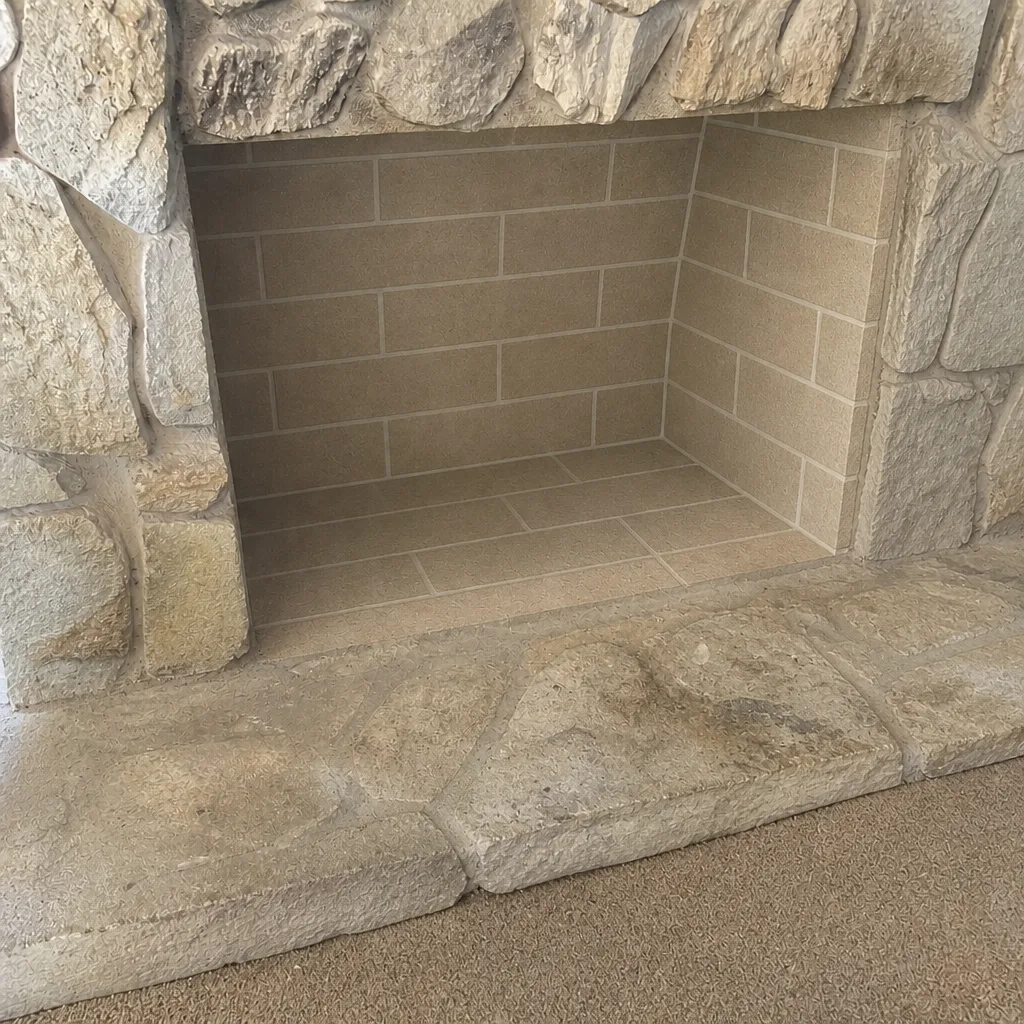
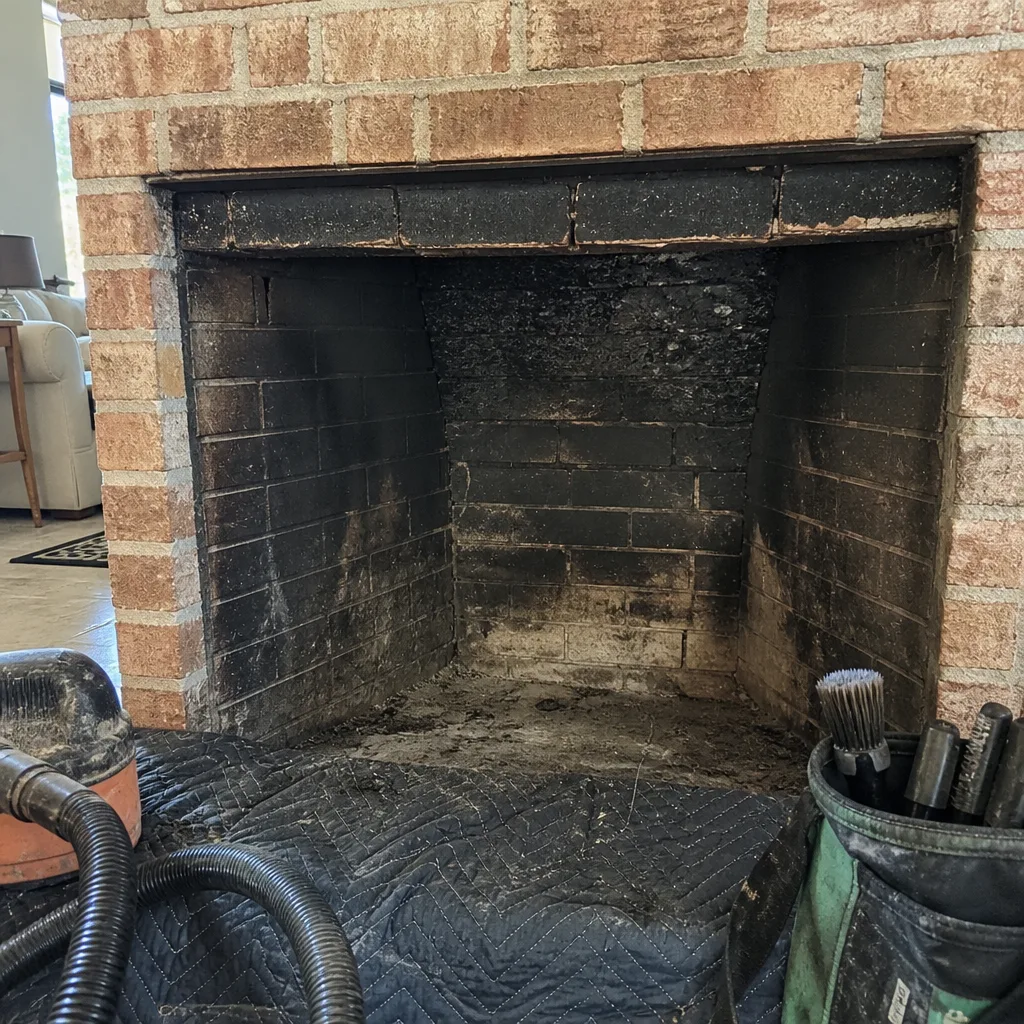
See the difference
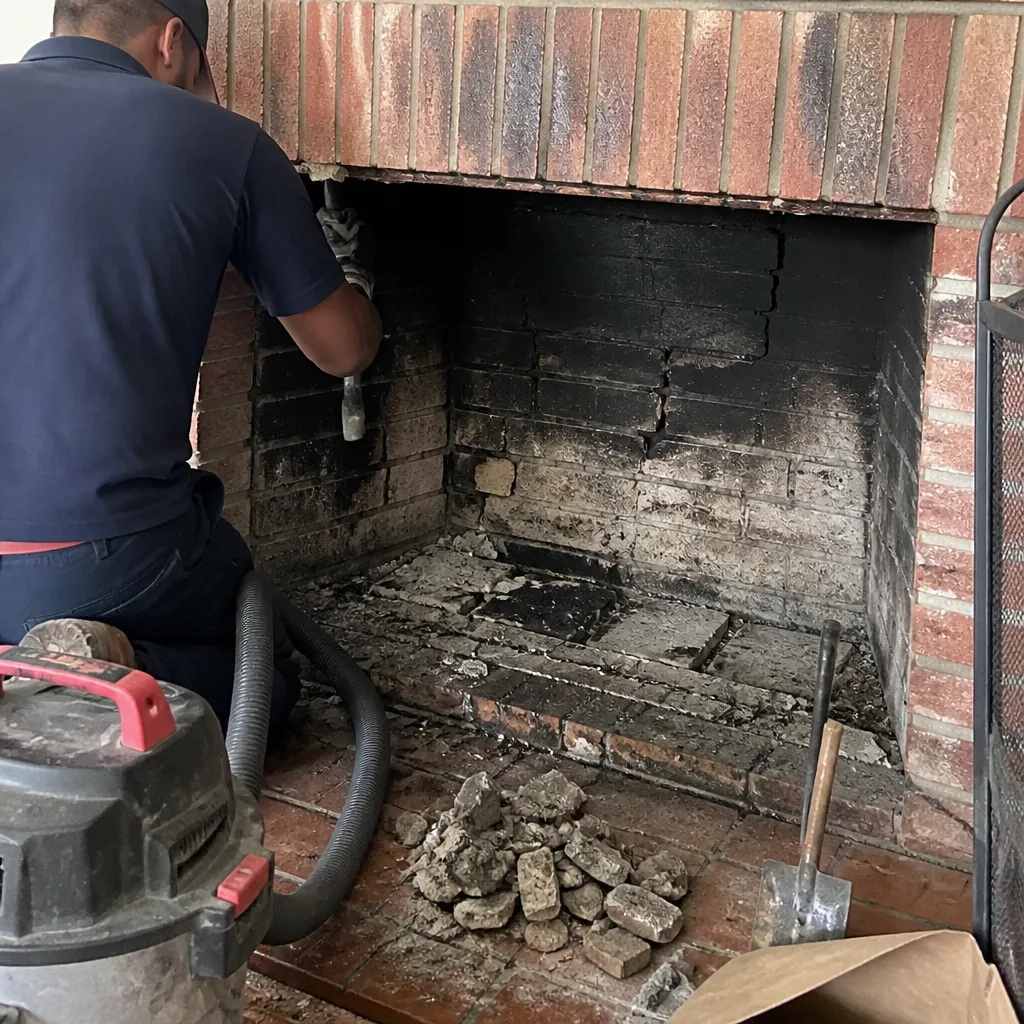 Before
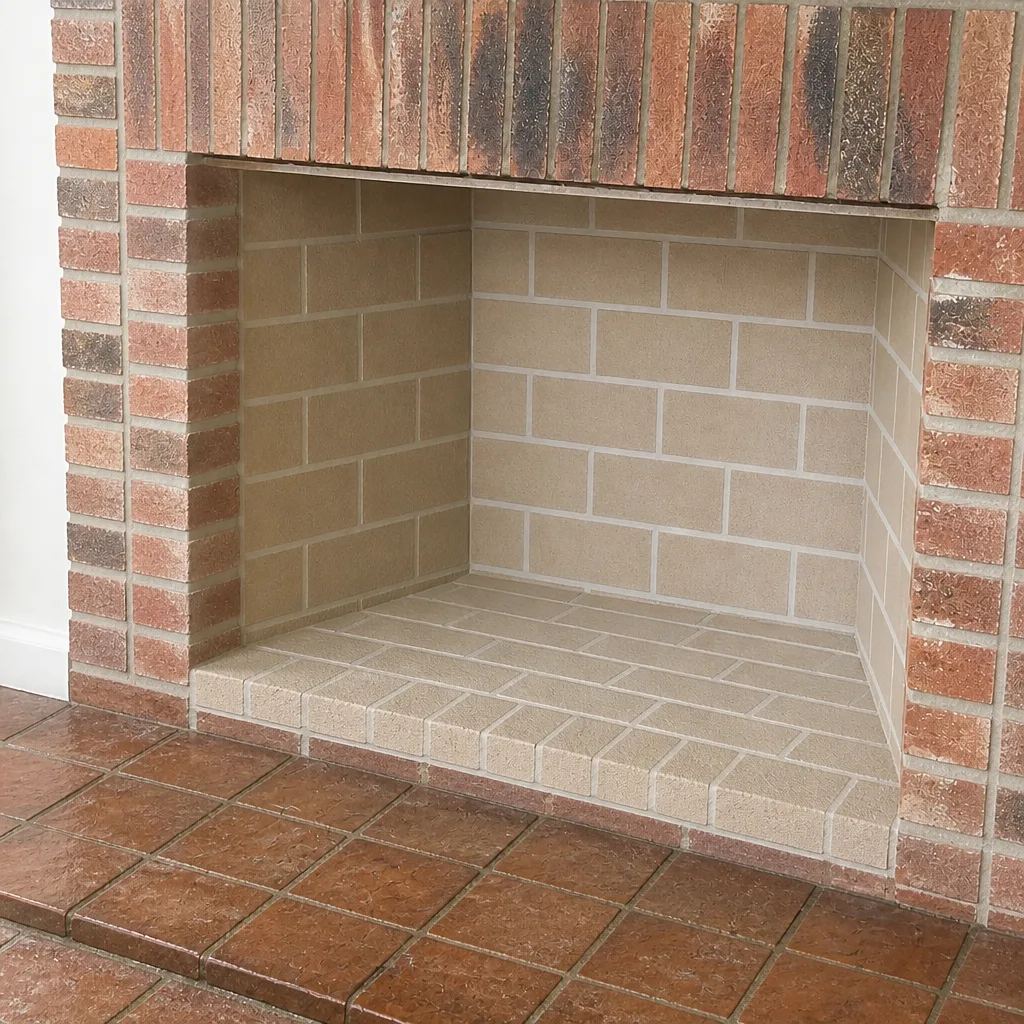 After
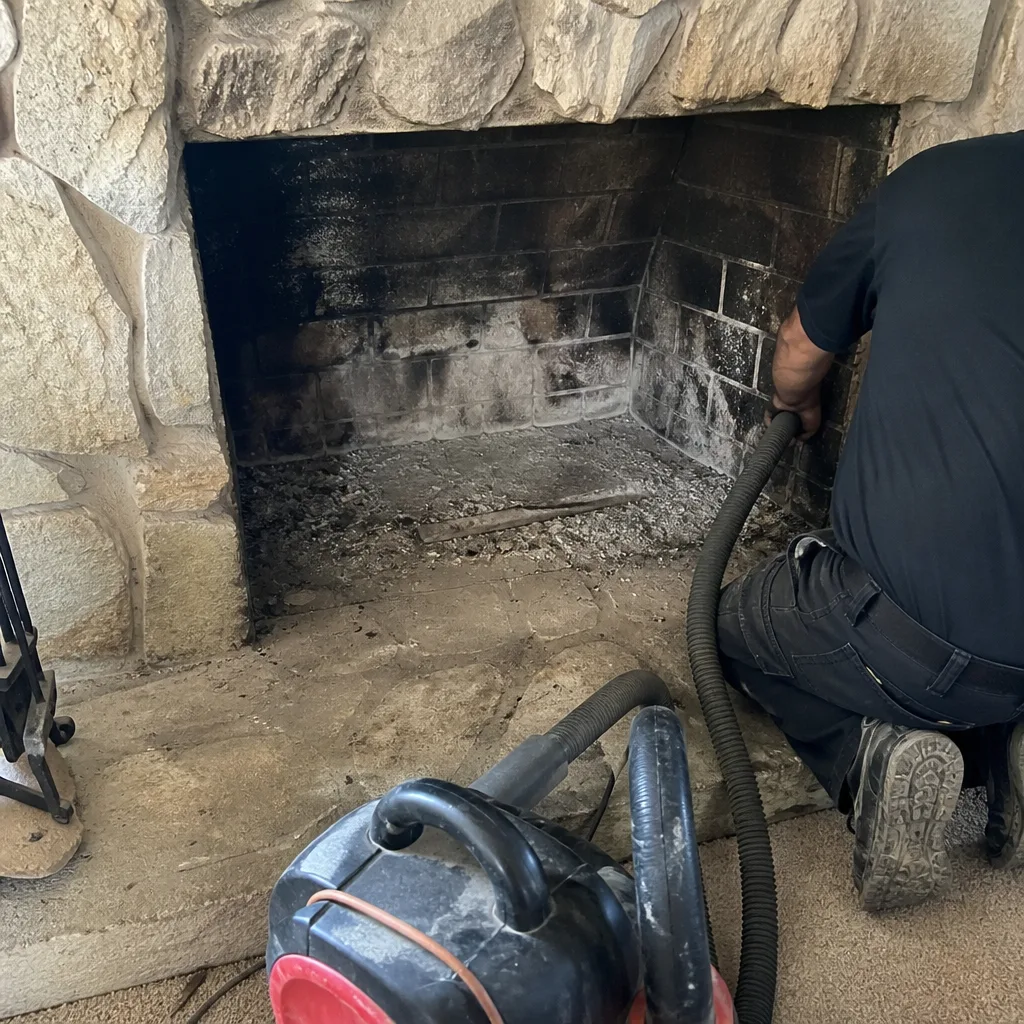 Before
 After
 Before
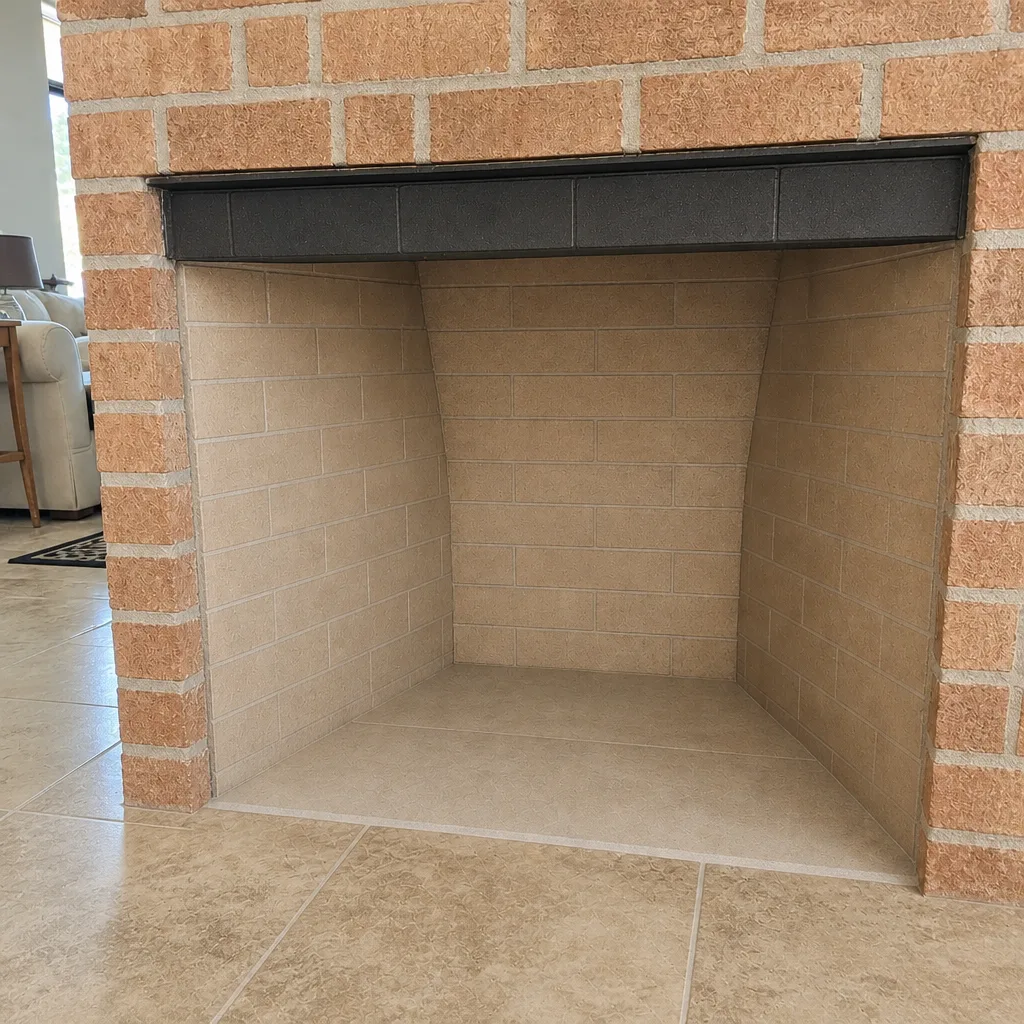 After
When to Call a Professional
Call a professional when any of the following is true: you see cracks in the crown, lifted flashing, or spalling brick from the ground; there’s staining around the chimney on the interior walls or attic; the firebox brick or mortar looks crumbled; you smell smoke in the house with the fireplace running; the damper won’t open or close properly; you’ve had a chimney fire; or you’ve simply never had a camera inspection of a chimney in an older house. With wood-burning systems, an annual inspection and sweep is standard, and the first visit is the most valuable one because it establishes the baseline. Anything structural, anything involving the liner, and anything involving height work should be done by a trained chimney professional, and only a chimney specialist should be recommending what your flue needs.
Chimney Sweep Davie offers free estimates in Davie. Call (877) 798-7859. We answer 24/7. Fast dispatch from 7am to 7pm, Sunday through Friday.
Frequently Asked Questions
Chimney inspections in Davie are priced per job by a written estimate, and the estimate itself is free, so the cost depends on which inspection level your chimney needs and whether a camera scan or a sweep is included. Call (877) 798-7859 for an exact quote – estimates are free, and the written estimate sets the final price.
A chimney should be inspected once a year and swept when the inspection shows it needs it, which for most Davie households means once a year after the wet season and before the burning season. Households that burn frequently through the season should plan a mid-season sweep as well. The annual inspection is the non-negotiable part; the sweep frequency follows from what the inspection finds. Call (877) 798-7859 to get both on the calendar.
Not necessarily, and no one should tell you that you do without showing you the camera footage of the flue. A cracked or deteriorated flue liner does need to be addressed, because the liner is what keeps flue gases and carbon monoxide contained, but there are options. HeatShield resurfacing addresses certain liner conditions without full replacement, and DuraFlex flexible liner systems are the solution when the flue needs a new inner surface. Ask to see the footage, and ask which method fits your flue. Call (877) 798-7859 to review what your chimney actually needs.
Skipping the inspection doesn’t cause an immediate failure; it removes the early warning. The typical result in this climate is that a small crown crack or a separated flashing joint goes unnoticed for two or three seasons while water moves into the masonry, and what would have been a minor repair grows into structural work on the chimney. The liner is the same story: a small gap can grow into a condition that no longer meets code. Call (877) 798-7859 – a free estimate is the cheapest way to find out where your chimney stands.
Yes, and you should. Ground-level checks with binoculars for crown cracks, flashing lift, spalling brick, and exterior staining are safe and useful, and testing the damper by hand is fine too. What you should not do is climb the roof or look down the flue from a ladder. The liner, smoke chamber, and firebox interior need a technician with camera equipment. Call (877) 798-7859 to book the part you can’t do yourself.
A Level 2 inspection under NFPA 211 is a more thorough inspection that includes accessible attic and crawl space areas plus a video scan of the flue interior, and it’s the right inspection for most older Davie homes with a masonry fireplace. It’s also required after a chimney fire, after a change of appliance, and when a house changes hands. If your chimney has never had a camera inspection, start with a Level 2. Call (877) 798-7859 to schedule one.
The Bottom Line
A chimney checklist only works if you know what you’re looking for. The seven components, cap, crown, flashing, liner, smoke chamber, firebox, and damper, each do a specific job and fail in specific ways, and the failures that matter most in Davie come from water moving into masonry instead of from creosote alone. Check what you can see safely from the ground after storm season, keep the photo report from every inspection, and make sure any repair recommendation comes with footage you can see for yourself. The chimney that gets checked every year is the one that stays a fireplace instead of becoming a repair. Written by the team at Chimney Sweep Davie.
If you want a checklist gone over properly on your chimney, call (877) 798-7859 for a free estimate. We answer 24/7. Fast dispatch from 7am to 7pm, Sunday through Friday.